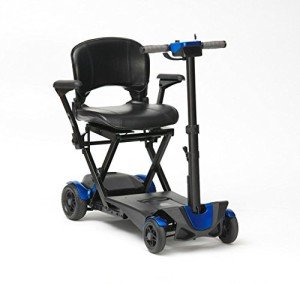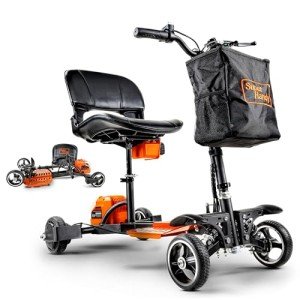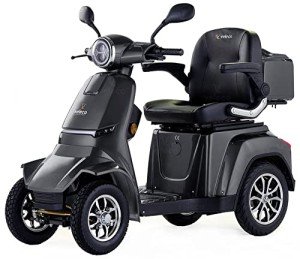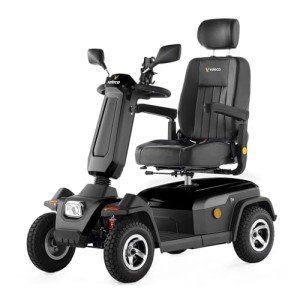

For many individuals facing mobility challenges due to age, injury, or chronic health conditions, maintaining independence is a primary concern. The electric four-wheel mobility scooter has emerged as a transformative solution, offering a blend of stability, comfort, and freedom that allows users to navigate their world with renewed confidence. Unlike their three-wheeled counterparts, four-wheel models provide a level of security and outdoor versatility that makes them a preferred choice for diverse environments.
This guide explores the intricate details of electric four-wheel mobility scooters, the importance of customization through accessories, and practical considerations for prospective owners.
The Architecture of Stability: Why Choose Four Wheels?
The fundamental design of a mobility scooter dictates its performance on different terrains. While three-wheel scooters are often praised for their tight turning radius—making them ideal for indoor use in narrow hallways—the four-wheel configuration is engineered for balance and external exploration.
By distributing weight across four points of contact with the ground, these scooters significantly reduce the risk of tipping. This stability is particularly crucial when navigating uneven pavements, gravel paths, or slight inclines. For users with balance issues or those who require a higher weight capacity, the broader wheelbase of a four-wheel model offers a sense of security that is difficult to replicate.
Key Advantages:
- Enhanced Stability: Ideal for outdoor use and traversing obstacles like curbs or grass.
- Weight Distribution: Better suited for carrying heavier loads or additional storage.
- Speed and Power: Often equipped with more robust motors and larger batteries for longer journeys.
Understanding the Technical Specifications
When evaluating an electric mobility scooter, it is important to understand the technical metrics that define its performance. Below is a comparison table outlining the two primary classes of mobility scooters available on the market.
| Feature | Class 2 Mobility Scooters | Class 3 Mobility Scooters |
|---|---|---|
| Primary Use | Pavement and indoor use | Pavement and road use |
| Max Speed (Pavement) | 4 mph (6.4 km/h) | 4 mph (6.4 km/h) |
| Max Speed (Road) | Not permitted | 8 mph (12.8 km/h) |
| Lights/Indicators | Optional | Mandatory |
| Average Range | 10–15 miles | 20–35 miles |
| Typical Terrain | Flat, paved surfaces | Inclines, roads, and light off-road |
Critical Features to Consider
A standard four-wheel mobility scooter comprises several integrated systems that dictate the user experience.
- The Battery System: Most modern scooters utilize Lead-Acid or Lithium-ion batteries. Lithium-ion variants are increasingly popular due to their lighter weight and faster charging cycles, although they come at a higher price point.
- The Tiller (Control Column): This is the steering mechanism. An adjustable tiller is essential for ergonomic comfort, allowing the user to position the controls at an optimal distance and angle.
- Suspension and Tires: High-quality four-wheel models often include full suspension systems (front and rear) to dampen the impact of bumpy roads. Pneumatic (air-filled) tires provide a smoother ride, while solid (puncture-proof) tires offer peace of mind against flats.
- Braking Systems: Most electric scooters utilize an electromagnetic braking system. When the user releases the throttle, the brakes engage automatically, ensuring the vehicle does not roll on inclines.
Enhancing the Experience: Essential Accessories
While the base model provides the mobility, accessories provide the functionality. Customizing a scooter allows the user to tailor the vehicle to their specific lifestyle needs.
Storage Solutions
Independence often involves running errands or traveling with personal belongings. Available storage options include:
- Front Baskets: Standard on most models, useful for small items.
- Rear Locking Pods: Secure, weather-proof boxes for groceries or valuables.
- Under-seat Bags: Discrete storage for wallets, keys, or medications.
Weather Protection
To ensure the scooter remains functional year-round, weather-specific accessories are vital:
- Canopies and Sunshades: Protect the user from UV rays and light rain.
- Full Rain Covers: Clear plastic enclosures that allow the user to operate the scooter while remaining completely dry.
- Dust Covers: Protective sheets for storing the scooter outdoors or in a garage.
Comfort and Ergonomics
- Gel Seat Cushions: Reduce pressure points during long periods of use.
- Oxygen Tank Holders: Specialized brackets for users with respiratory requirements.
- Crutch/Walking Stick Holders: Allow users to transport their secondary mobility aids safely.
Safety and Visibility
- Rear-view Mirrors: Essential for monitoring traffic or pedestrians behind the user.
- LED Safety Flags: High-visibility flags that make the scooter more visible to motorists.
- Phone and GPS Mounts: Ensure the user can navigate or call for assistance without taking their eyes off the path for too long.
Accessory Benefit Summary Table
| Accessory Type | Primary Benefit | Target User |
|---|---|---|
| Storage Pods | Security and high capacity | Grocery shoppers and commuters |
| Canopies | Protection from elements | All-weather users |
| Oxygen Holders | Specialized medical support | Users with COPD or respiratory needs |
| Gel Cushions | Enhanced spinal comfort | Long-distance or daily users |
| Mirrors | Increased spatial awareness | Urban users and road-legal operators |
Maintenance and Battery Care
To ensure the longevity of an electric four-wheel mobility scooter, a consistent maintenance schedule should be followed.
- Battery Management: Batteries should be charged after every use. Allowing a battery to discharge completely can significantly shorten its lifespan.
- Tire Inspection: Regularly check for wear and tear. If using pneumatic tires, ensure they are inflated to the manufacturer’s recommended PSI.
- Cleaning: Use a damp cloth to wipe down the tiller and seat. Avoid using high-pressure hoses, as moisture can damage the electronic controllers and wiring.
- Annual Servicing: It is recommended to have a professional technician inspect the motor, brushes, and braking system at least once a year.
Choosing the Right Model
Selecting a scooter requires an assessment of the user's environment and physical requirements. Factors such as the user's weight, the steepness of hills in their local area, and whether the scooter needs to be transported in a car trunk should all influence the final decision.
Folding or "travel" four-wheel scooters offer portability but may lack the suspension and range of heavy-duty models. Conversely, bariatric or heavy-duty scooters offer maximum comfort and range but require a dedicated storage space and perhaps a vehicle ramp for transport.
Frequently Asked Questions (FAQ)
Q: Does one need a driver's license to operate a four-wheel mobility scooter?A: In most jurisdictions, a driver's license is not required. However, Class 3 scooters (which can travel on roads) may need to be registered with local transport authorities, although the user is not required to pass a driving test.
Q: Can these scooters be taken on airplanes?A: Yes, many models are "airline-safe." However, it depends on the battery type. Lithium batteries must meet specific Watt-hour (Wh) ratings. It is essential to check with the airline 48 hours before departure.
Q: How long does it take to charge a mobility scooter?A: A full charge typically takes between 8 to 10 hours. Many users find it most convenient to charge their scooter overnight.
Q: What is the average lifespan of an electric mobility scooter?A: With proper maintenance and battery care, a high-quality four-wheel scooter can last between 5 to 10 years. Batteries usually require replacement every 18 to 24 months depending on usage.
Q: Can a four-wheel scooter handle steep hills?A: Most四-wheel models are designed to handle inclines of 6 to 10 degrees. Users living in very hilly areas should look for models with "high-torque" motors specifically designed for climbing.
The electric four-wheel mobility scooter is more than just a vehicle; it is a gateway to the outside world. By providing a stable platform and a plethora of customizable accessories, these devices ensure that physical limitations do not dictate one’s quality of life. Whether it is a trip to the local park, a visit to the grocery store, or a long-distance excursion, the right scooter—outfitted with the right tools—offers the safety and reliability required for a life in motion.