
Mobility is a fundamental aspect of independence and quality of life. For many individuals, maintaining the ability to travel comfortably to the grocery store, visit neighbors, or simply enjoy a park remains a top priority. The JH500 4-Wheel Electric Mobility Scooter with Canopy emerges as a robust solution designed to bridge the gap between limited mobility and an active lifestyle.
This long-form guide explores the features, technical specifications, and practical benefits of the JH500, providing a comprehensive look at why this specific model has become a preferred choice for those seeking reliability and all-weather protection.
Exceptional Design and Stability
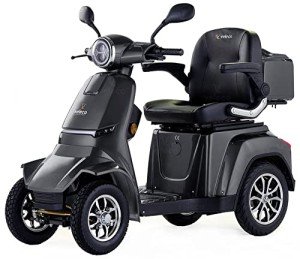
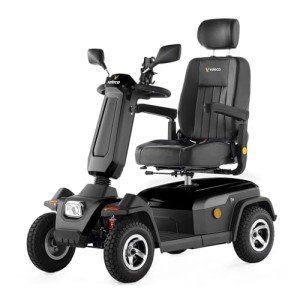
The JH500 is engineered with a focus on structural integrity and user safety. Unlike three-wheel scooters, which are often prioritized for their tight turning radius indoors, the JH500 utilizes a four-wheel configuration. This design provides a significantly wider footprint, ensuring superior stability when navigating uneven pavements, curb cutouts, or gravel paths.
The four-wheel setup is particularly beneficial for users who may have balance concerns. The weight distribution across the chassis minimizes the risk of tipping, even when the scooter is carrying cargo or navigating slight inclines. This sense of security allows users to focus more on their surroundings and less on the mechanics of staying upright.
The Advantage of the Integrated Canopy
One of the most defining characteristics of the JH500 is its integrated canopy system. While many mobility scooters are strictly "fair-weather" vehicles, the JH500 is built for a variety of conditions.
Benefits of the Canopy Include:
- Sun Protection: The overhead roof provides consistent shade, protecting the user from harmful UV rays and reducing the risk of heat exhaustion during summer excursions.
- Rain Shielding: While the scooter should not be submerged or driven through deep puddles, the canopy and front windshield offer critical protection against light rain and sudden showers, keeping the user and the control panel dry.
- Wind Resistance: The forward windshield acts as a buffer against cold winds, making it more comfortable to use the scooter in transitional seasons like autumn or spring.
Technical Specifications at a Glance
To truly understand the capabilities of the JH500, one must look at the technical data. This scooter is designed to handle more than just a short trip down a hallway; it is a heavy-duty outdoor vehicle.
| Feature | Specification |
|---|---|
| Model | JH500 |
| Wheel Configuration | 4-Wheel Pneumatic |
| Max Speed | Up to 15 mph (varies by terrain and load) |
| Travel Range | 25 - 35 miles per charge |
| Weight Capacity | 350 - 450 lbs (depending on configuration) |
| Motor Power | 500W - 800W Brushless Motor |
| Battery Type | Lead-Acid or Lithium-Ion Options |
| Braking System | Electromagnetic and Hand Brakes |
| Ground Clearance | 5 - 6 inches |
Performance and Power
At the heart of the JH500 is a powerful electric motor, typically ranging between 500W and 800W. This high-torque output ensures that the scooter can maintain its speed even when climbing hills or carrying a full load. Unlike smaller "boot scooters" that struggle on grass or inclines, the JH500’s motor is built for endurance.
The battery life is another standout feature. Most configurations of the JH500 offer a range of up to 35 miles. This allows for several days of local travel without the need for a recharge, making it ideal for those who live in sprawling retirement communities or small towns where the primary mode of transport is the mobility vehicle.
Comfort and Ergonomics
Long journeys require a seat that supports the body properly. The JH500 is equipped with a high-back captain’s chair. This seat is usually upholstered in premium, weather-resistant vinyl and features:
- Adjustable Headrests: Can be raised or lowered to suit the user's height.
- Flip-up Armrests: These make "side-boarding" much easier, which is essential for users with limited hip or leg mobility.
- Swivel Function: The seat can often rotate 90 to 180 degrees, allowing the user to exit the vehicle towards a table or a doorway without straining.
- Lumbar Support: The contoured backrest helps prevent fatigue during longer rides.
Safety Features for Peace of Mind
Safety is not an afterthought for the JH500; it is baked into every aspect of its design. Because this scooter is often used on or near roads, visibility and control are paramount.
- Full Lighting Package: The JH500 comes standard with high-intensity LED headlights, rear brake lights, and turn signals. This ensures the user is visible to pedestrians and motorists during twilight hours.
- Dual Rearvision Mirrors: These allow the user to monitor traffic behind them without having to physically turn their neck—a crucial feature for those with limited cervical mobility.
- Electromagnetic Braking: As soon as the user releases the throttle, the scooter begins to slow down automatically. This prevents the vehicle from rolling away on a hill.
- Pre-installed Horn: A loud, audible horn is included to alert others of the scooter’s presence in crowded areas.
Storage and Utility
The JH500 is designed to facilitate errands. Most models include a large rear storage basket or a locking trunk located behind the seat. Additionally, a smaller front basket or glove compartment is often available for personal items like phones, wallets, or keys. This makes the JH500 a viable alternative to a car for short-distance grocery shopping or trips to the pharmacy.
Maintenance and Care
To ensure the longevity of the JH500, regular maintenance is recommended. Because it is an electric vehicle, the maintenance is relatively low compared to gas-powered alternatives, but certain steps should be followed:
- Battery Management: Batteries should be charged after every significant use. Avoid letting the battery drain to 0% as this can shorten its overall lifespan.
- Tire Pressure: Since the JH500 uses pneumatic (air-filled) tires for better shock absorption, checking the pressure once a month ensures the smoothest ride.
- Cleaning: The canopy and windshield should be cleaned with a soft cloth and mild soap. Avoid abrasive chemicals that might scratch the clear plastic windshield.
Final Thoughts
The JH500 4-Wheel Electric Mobility Scooter with Canopy represents a significant advancement in personal transportation for the mobility-impaired. By combining the stability of a four-wheel base with the all-weather convenience of a canopy, it offers a level of freedom that standard scooters simply cannot match. It serves not just as a tool for movement, but as a vehicle for social engagement and independence.
Frequently Asked Questions (FAQ)
1. Does the JH500 require a driver's license to operate?
In most jurisdictions, the JH500 is classified as a mobility aid rather than a motor vehicle. Therefore, a driver's license, insurance, or vehicle registration is typically not required. However, users should check local regulations regarding "Class 3" mobility scooters if they intend to use them on public roads.
2. Can the canopy be removed?
Yes, on most JH500 models, the canopy is modular. While it is designed to be a semi-permanent fixture for weather protection, it can be disassembled if the user prefers an open-air experience or needs to transport the scooter in a smaller space.
3. How does the JH500 handle on steep hills?
The JH500 is equipped with a high-torque motor designed to handle inclines of up to 10-12 degrees. While it can manage most standard ADA-compliant ramps and moderate hills, performance may vary based on the total weight of the occupant and the remaining battery charge.
4. Is the scooter foldable for car travel?
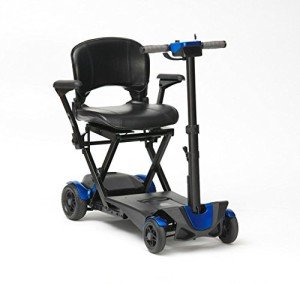
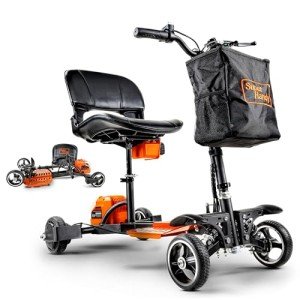
The JH500 is a heavy-duty, full-sized scooter. It does not "fold" in the way that lightweight travel scooters do. To transport the JH500 over long distances, a dedicated hitch-mounted lift or a van with a ramp is usually required.
5. What happens if it rains while I am out?
The JH500 is designed to be water-resistant. The canopy and windshield will protect the user and the primary console from rain. However, it is not waterproof. Users should avoid driving through standing water and should dry the scooter off once they reach their destination to prevent corrosion.