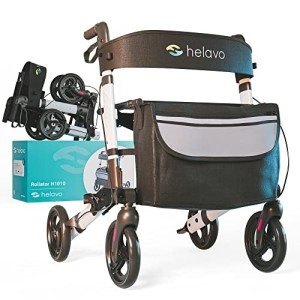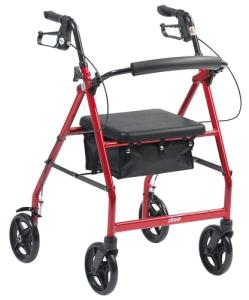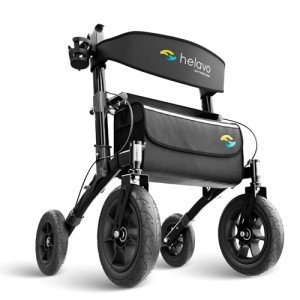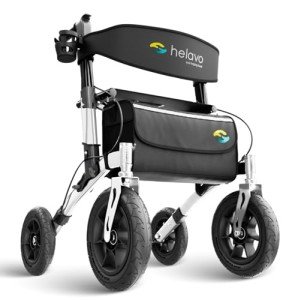

For individuals experiencing mobility challenges, the world can sometimes feel as though it is shrinking. Whether due to aging, injury recovery, or chronic conditions like arthritis, the ability to move safely and independently is a cornerstone of quality of life. Among the most transformative tools available today is the lightweight 4-wheel folding walker with a seat, commonly referred to as a rollator.
Unlike traditional walkers that must be lifted with every step, rollators glide on wheels, providing a fluid walking motion. When coupled with a built-in seat and a folding frame, these devices offer a blend of stability, rest, and portability. This guide explores the features, benefits, and technical specifications of these essential mobility aids.
What is a Lightweight 4-Wheel Folding Walker?
A 4-wheel folding walker is a mobility enhancement device designed to support individuals who can walk but require extra stability and the ability to rest frequently. The "lightweight" designation typically refers to units constructed from high-grade aluminum rather than heavy steel, usually weighing between 13 and 18 pounds.
Core Components
- The Frame: Usually made of lightweight aluminum for durability and easy transport.
- Four Wheels: Providing a smooth gait on various terrains.
- Hand Brakes: Located on the handlebars to provide immediate stopping power and a "parking brake" feature for sitting.
- The Seat: A padded or nylon surface that allows the user to rest whenever needed.
- Storage: A basket or pouch located under the seat or in front of the frame for personal items.
Key Features to Consider
When selecting a lightweight folding walker, several technical specifications must be evaluated to ensure the device meets the user's specific lifestyle needs.
1. Maneuverability and Wheel Size
The size of the wheels dictates where the walker can be used effectively.
- 6-inch wheels: Ideal for indoor use, navigating tight corners, and smooth surfaces like tile or hardwood.
- 8-inch wheels: Better for outdoor use, as they can more easily traverse cracked pavement, grass, and gravel.
2. Braking Systems
Safety is paramount. Most lightweight rollators feature "loop-lock" brakes. Users pull up on the levers to slow down while walking and push down on the levers to lock the wheels into a stationary position before sitting.
3. Adjustable Height
To prevent slouching or shoulder strain, the handlebars must be adjustable. A properly fitted walker should have the handles at the level of the user's wrists when their arms are hanging naturally at their sides.
4. Folding Mechanism
Portability is a major selling point for lightweight models. There are generally two types of folding mechanisms:
- Side-to-Side Fold: The walker pulls together like an accordion, allowing it to stand upright even when folded.
- Bottom-Up Fold: The seat lifts, and the frame collapses inward.
Technical Specifications Comparison
To help visualize the differences between various categories of lightweight walkers, the following table outlines standard specifications.
| Feature | Ultra-Lightweight Model | Standard Lightweight Model | Heavy-Duty (Bariatric) Lightweight |
|---|---|---|---|
| Average Weight | 11 – 14 lbs | 15 – 19 lbs | 20 – 25 lbs |
| Weight Capacity | Up to 250 lbs | Up to 300 lbs | 400 – 500 lbs |
| Frame Material | High-grade Aluminum | Aluminum | Reinforced Aluminum/Steel |
| Wheel Size | 6 inches | 6 - 7.5 inches | 8 inches |
| Best Use Case | Travel and Indoor use | General daily use | Outdoor use / Higher support needs |
| Seat Width | Narrow/Standard | Standard | Extra Wide |
The Benefits of an Integrated Seat
The inclusion of a seat is perhaps the most significant advantage of a 4-wheel walker over a 2-wheel or standard frame walker. This feature provides a "safety net" for the user, addressing several physical and psychological concerns.
- Management of Fatigue: Users with respiratory issues or cardiovascular conditions can walk further distances, knowing they can stop and sit as soon as they feel winded.
- Pain Reduction: For those with chronic back or hip pain, the ability to take frequent pressure-relieving breaks can reduce overall inflammation during a day of activity.
- Waiting in Lines: Activities like grocery shopping or visiting the pharmacy become less daunting when the user brings their own chair with them.
- Psychological Confidence: The fear of falling or being "stranded" without a place to sit often keeps people homebound. A seat provides the confidence to venture out.
List: Who Benefits Most from This Device?
While many people can use a rollator, it is specifically beneficial for those with the following conditions:
- Early-Stage Parkinson’s Disease: Helps maintain a steady gait and prevents "freezing" episodes.
- Osteoarthritis: Reduces the weight load on painful knee or hip joints.
- Post-Operative Recovery: Ideal for those recovering from hip or knee replacements who have progressed past the point of needing a stationary walker.
- Balance Disorders: Provides a wider base of support to prevent stumbles.
- COPD or Heart Conditions: Allows for frequent "pacing" and rest to manage oxygen levels.
Safety and Maintenance Guidelines
To ensure the longevity of the walker and the safety of the user, regular maintenance is required. Because these devices are lightweight, they can be more susceptible to wear if not handled properly.
- Check the Brakes Weekly: Ensure that when the brakes are engaged, the wheels do not rotate. If the walker slides while the brakes are locked, the cable tension needs adjustment.
- Inspect the Bolts: Vibrations from walking on uneven pavement can loosen the hand knobs and bolts over time. Ensure they are hand-tight.
- Wipe Down the Frame: Dust and salt (in winter) can corrode aluminum joints. Use a damp cloth to keep the frame clean.
- Wheel Inspection: Ensure the wheels are free of debris, hair, or carpet fibers that can get tangled in the axle and impede movement.
Safe Usage Tips
- Never "Ride" the Walker: These are not wheelchairs. A user should never sit on the seat and have someone else push them, as the frame is not designed for that type of weight distribution and could tip.
- Lock Before You Sit: Always engage the parking brakes before lowering yourself onto the seat.
- Sit Straight: Sit in the center of the seat with your back against the backrest (if provided).
How to Choose the Right Model: A Checklist
Before purchasing a lightweight 4-wheel folding walker, use this checklist to ensure the model is a perfect fit:
- Weight Capacity: Does the walker support at least 20 lbs more than the user’s current weight?
- Height Range: Does the adjustable handle height accommodate the user’s specific height?
- Seat-to-Floor Height: When sitting, can the user’s feet rest flat on the floor? (This is vital for stability).
- Width of the Walker: Will the walker fit through the narrowest doors in the home (often the bathroom)?
- Folded Dimensions: Will it fit in the trunk of the user's car or the car of a frequent caregiver?
- Terrain Consideration: Does the user spend more time on sidewalks (8-inch wheels) or in a flat-floored apartment (6-inch wheels)?
Frequently Asked Questions (FAQ)
1. Is a 4-wheel walker better than a 2-wheel walker?
It depends on the user’s balance. A 4-wheel walker is better for those who need a seat and can manage a device that rolls easily. However, because all four wheels move, it requires more "fine motor control" over brakes. Someone with severe balance issues may find a 2-wheel walker (which stays put better) to be safer.
2. Does Medicare cover lightweight folding walkers?
Medicare Part B generally covers manual wheelchairs and walkers as Durable Medical Equipment (DME) if a doctor provides a written order stating the device is "medically necessary." However, they may only cover a standard model; "lightweight" or "upgraded" features sometimes require an out-of-pocket difference.
3. Can I use a rollator inside a small house?
Yes, but look for "compact" or "indoor" models. Standard rollators can be wide. Measure your bathroom and bedroom doorways before purchasing, as some older homes have 24-inch doors which may be too narrow for standard 4-wheel walkers.
4. How do I know if the handles are at the right height?
Stand as straight as possible with your arms hanging at your sides. The handles should be level with the crease of your wrist. When you grip the handles, your elbows should have a slight bend (about 15 to 20 degrees).
5. Are the seats comfortable for long periods?
The seats on lightweight walkers are designed for short rest breaks (5–15 minutes). They are generally firm to provide stability. If the user requires a device to sit in for hours at a time, a transport chair or wheelchair would be more appropriate.
The lightweight 4-wheel folding walker with a seat represents a significant advancement in assistive technology. By combining the strength of an aluminum frame with the convenience of a portable chair, it empowers individuals to engage with their communities, attend social events, and perform daily tasks with less fatigue and greater security.
When choosing a model, it is essential to prioritize the fit and the specific environment in which the walker will be used. By selecting the right wheel size, weight capacity, and folding style, users can ensure that their mobility aid is not just a tool, but a gateway to a more active and independent lifestyle. High-quality mobility aids are an investment in health, safety, and the continued joy of movement.