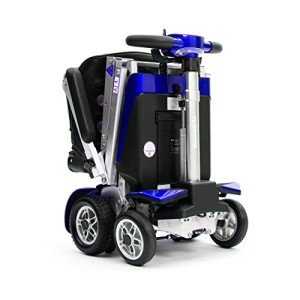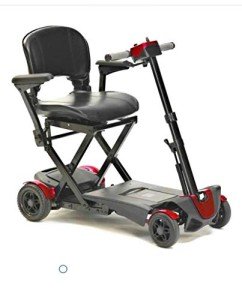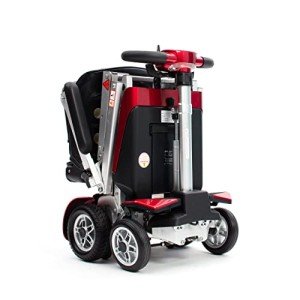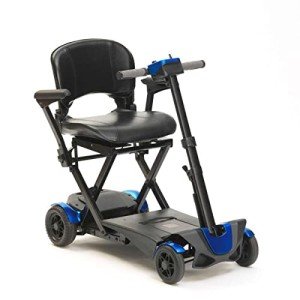

For individuals with limited mobility, the world can sometimes feel like it is shrinking. Traditional wheelchairs and heavy, bulky mobility scooters often present as many obstacles as they solve, requiring significant physical strength to operate or transport. However, a new era of personal transportation has arrived: the Lightweight Automatic Folding Mobility Scooter.
Combining cutting-edge engineering with user-centric design, these devices—particularly those boasting a 20 KM battery range—are transforming how seniors and people with disabilities navigate their daily lives. This guide explores the features, benefits, and practicalities of these innovative machines.
What is a Lightweight Automatic Folding Mobility Scooter?
Unlike traditional scooters that may require disassembly into several heavy pieces, an automatic folding scooter utilizes a motorized internal mechanism. With the simple press of a button on a remote control or the dashboard, the scooter folds or unfolds itself within seconds.
When constructed from lightweight materials such as aircraft-grade aluminum or magnesium alloy, these scooters weigh significantly less than standard models, often falling between 20kg and 30kg. This makes them ideal for travel, as they can be easily lifted into car trunks or stowed away in tight spaces.
The Significance of the 20 KM Battery Range
In the world of portable mobility, battery life is the ultimate currency of freedom. Many ultra-portable scooters sacrifice range for weight, offering only 10 or 12 KM per charge. A 20 KM (approximately 12.4 miles) range represents the "sweet spot" for several reasons:
- Full-Day Excursions: A 20 KM range ensures that users can spend a full day at a theme park, a large shopping mall, or a city zoo without worrying about or searching for a power outlet.
- Reduced Range Anxiety: Users can travel further from home or their vehicle with the confidence that they have plenty of power to return.
- Lithium-Ion Efficiency: These scooters typically use high-density Lithium-ion batteries, which are lighter and more durable than traditional lead-acid batteries.
Technical Specifications at a Glance
To understand the value of these scooters, it is helpful to look at the standard specifications found in high-end models.
| Feature | Standard Specification | User Benefit |
|---|---|---|
| Total Weight | 22kg – 28kg (with battery) | Easy to lift into a car or transport on a plane. |
| Folding Mechanism | Remote Control / Push-Button | No physical exertion required to pack or unpack. |
| Maximum Range | 20 Kilometers | Reliable for long days out and travel. |
| Top Speed | 6 - 8 km/h | Safe but efficient pace for pedestrian areas. |
| Weight Capacity | 120kg – 150kg | Accommodates a wide range of body types. |
| Battery Type | Lithium-ion (Quick-release) | Fast charging and airline-compliant (usually). |
| Brakes | Intelligent Electromagnetic | Stops automatically when the lever is released. |
Why Choose an Automatic Folding Model?
The "automatic" aspect of these scooters is not just a luxury; for many, it is a necessity. Manual folding scooters often require the user to bend down, pull heavy pins, or exert force to lock the frame into place.
Key Benefits of Automatic Folding:
- Accessibility for Limited Dexterity: Individuals with arthritis or reduced hand strength can operate the folding mechanism effortlessly via remote.
- Speed and Convenience: Transitioning from a vehicle to a pavement takes seconds, allowing for a seamless travel experience.
- Space Management: When folded, these scooters often take up no more room than a medium-sized suitcase, making them perfect for small apartments or crowded public transport.
Travel and Portability: The Ultimate Companion
One of the primary drivers for purchasing a lightweight scooter is the desire to travel. Whether it is a cruise, a flight, or a road trip, these scooters are designed to move.
1. Airline Compatibility
Most lightweight automatic scooters use Lithium-ion batteries. While these are superior for range and weight, travelers should ensure the battery is "Air-Safe" (typically under 300Wh for a single battery or 160Wh each for two batteries, depending on the airline). Always check with the carrier before flying.
2. Public Transport
Because of their tight turning radius and compact footprint, these scooters are well-suited for buses, trains, and trams. When folded, they can be tucked into luggage racks, keeping aisles clear.
3. Car Transitions
Even for those who do not fly frequently, the ability to fit a mobility aid into a standard car trunk without a specialized hoist is a game-changer. It allows family members or caregivers to transport the equipment without risking back strain.
Comfort and Safety Features
Despite their compact size, manufacturers do not compromise on safety. A 20 KM range encourages longer trips, which means the scooter must be comfortable and secure.
- Puncture-Proof Tires: Most models use solid or honeycomb tires, ensuring the user is never stranded by a flat tire during a long outing.
- Anti-Tip Wheels: Small rear wheels prevent the scooter from tipping backward when navigating slight inclines.
- Adjustable Tiller: The steering column (tiller) can usually be adjusted for height and angle, ensuring the user can drive without straining their arms or back.
- Padded Seating: Technology in foam density has improved, allowing for thin but supportive seats that remain comfortable for hours.
Maintenance Tips for Longevity
To ensure the 20 KM range remains consistent over the years, proper maintenance is essential.
- Battery Care: Avoid letting the battery drain to 0%. Charge it after every significant use, and if the scooter is stored for a long time, charge the battery at least once a month.
- Cleaning: Use a damp cloth to wipe down the frame. Avoid high-pressure hoses, as moisture can damage the electronic folding components.
- Hinge Lubrication: Occasionally check the folding joints for debris. A small amount of silicone spray can keep the automatic mechanism running smoothly.
- Tire Check: Inspect tires for wear and tear. While they are often puncture-proof, they will eventually need replacing after high mileage.
Frequently Asked Questions (FAQ)
1. Can the scooter be folded manually if the battery dies?
Yes, most high-quality automatic folding scooters have a manual override or a bypass lever that allows the user to fold or unfold the device even if there is no power.
2. Is a 20 KM range realistic in hilly areas?
The 20 KM range is usually calculated based on a flat surface with a standard load. If the user is navigating steep hills or is near the maximum weight capacity, the range may be slightly reduced.
3. Are these scooters suitable for use on grass or gravel?
These scooters are primarily designed for paved surfaces, indoor malls, and flat paths. While they can handle very short distances on firm grass, their small wheels and low ground clearance make them unsuitable for rugged off-road terrain.
4. How long does it take to fully charge the battery?
Typically, a lithium-ion battery for a 20 KM range scooter takes between 4 to 6 hours to reach a full charge from empty.
5. Does the scooter come fully assembled?
In most cases, yes. Because they are designed to fold, they usually arrive in the box fully assembled. The user simply needs to unpack it, charge the battery, and unfold it using the remote or button.
The lightweight automatic folding mobility scooter with a 20 KM battery range represents a perfect marriage of form and function. It addresses the two biggest hurdles in mobility: transportability and endurance. By removing the physical struggle of folding a heavy frame and providing enough power to last an entire day, these scooters offer users more than just a way to get around—they offer a return to an active, social, and independent lifestyle.
Whether it is navigating the corridors of a cruise ship or simply enjoying a long afternoon at a local park, this technology ensures that mobility challenges no longer mean staying at home. For those seeking a reliable, easy-to-use, and long-range solution, the automatic folding scooter is a premier choice in modern assistive technology.