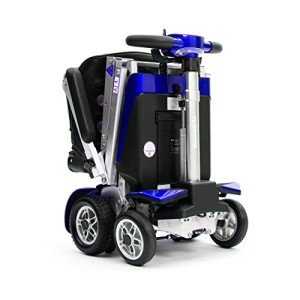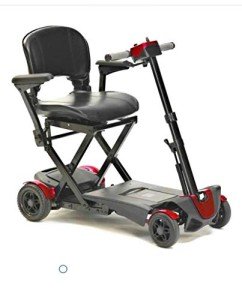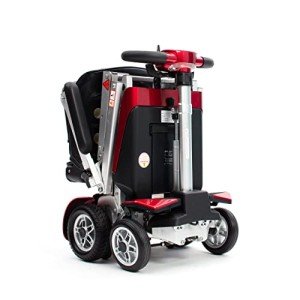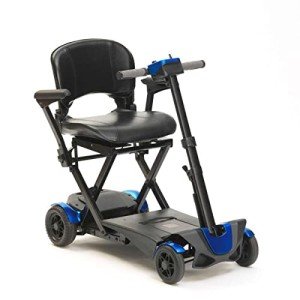


The evolution of mobility technology has transformed the lives of millions, providing independence to those with limited physical strength or stamina. Among the most significant innovations in recent years is the lightweight folding mobility scooter equipped with a removable battery. This combination of portability and convenience has redefined what it means to travel with a mobility aid.
For individuals seeking a balance between daily functionality and ease of transport, understanding the nuances of these devices is essential. This guide explores the features, benefits, and practical considerations of choosing a lightweight folding mobility scooter with a removable battery.
The Rise of Portability in Mobility Solutions
Traditionally, mobility scooters were heavy, cumbersome machines that required high-performance ramps or specialized vehicular lifts to transport. While these full-sized scooters offer excellent stability and range, they often limit the user’s ability to travel spontaneously via car, train, or airplane.
The introduction of lightweight, folding frames changed this dynamic. By using advanced materials like aircraft-grade aluminum or magnesium alloy, manufacturers have managed to reduce the chassis weight significantly without compromising structural integrity. When paired with a removable battery system, these scooters become the ultimate tool for modern exploration.
The Significance of the Removable Battery
A removable battery is more than just a convenience; it is a critical feature for several reasons:
- Ease of Charging: Users do not need to bring the entire scooter into their home or hotel room. They can leave the scooter in a garage or the trunk of a car and simply carry the battery pack inside to charge it at any standard wall outlet.
- Weight Reduction for Lifting: When weight is a concern, removing the battery (which can weigh between 4 to 10 pounds) makes the frame significantly easier to lift into a vehicle.
- Airline Compliance: Many airlines require lithium-ion batteries to be removed from the device and carried into the cabin. A removable battery makes this transition seamless and prevents damage to the power source during cargo handling.
Table 1: Standard vs. Lightweight Folding Mobility Scooters
| Feature | Standard Mobility Scooter | Lightweight Folding Scooter |
|---|---|---|
| Average Weight | 150 - 300 lbs | 40 - 65 lbs |
| Portability | Requires vehicle lift/ramps | Folds to fit in a standard trunk |
| Battery Type | Often heavy Lead-Acid (SLA) | Typically Lightweight Lithium-Ion |
| Turning Radius | Wide | Tight/Compact |
| Best For | Rugged outdoor use | Travel, shopping, and indoor use |
| Charging | On-board only | On-board and Off-board (Removable) |
Engineering Marvels: Folding Mechanisms
One of the most impressive aspects of these scooters is the variety of folding mechanisms available on the market today. Generally, they fall into two categories:
Manual Folding Scooters
These scooters require the user to pull a lever or depress a button to collapse the frame manually. While they require a small amount of physical effort, they are often lighter than their automatic counterparts because they do not require the extra motors and wiring associated with automated folding.
Automatic (Remote Control) Folding Scooters
With the press of a button on a key fob, these scooters fold themselves into a compact shape in seconds. This is an ideal solution for individuals with limited dexterity or those who cannot bend over easily to engage manual locks.
Technical Specifications to Consider
When evaluating a lightweight folding scooter, potential owners should look closely at the technical data to ensure the device meets their specific lifestyle needs.
Table 2: Typical Specifications for a High-End Lightweight Model
| Specification | Average Range |
|---|---|
| Weight Capacity | 250 - 300 lbs |
| Top Speed | 3.7 - 5 mph |
| Drive Range | 10 - 15 miles per charge |
| Battery Power | 24V 12Ah (Lithium) |
| Ground Clearance | 1.5 - 3 inches |
| Folded Dimensions | 18" x 15" x 30" (approximate) |
Travel and Lifestyle Benefits
The primary advantage of these scooters is the freedom they provide. Whether it is navigating a crowded cruise ship, traversing a museum, or simply visiting a local mall, the compact design ensures the user is never excluded from activities.
Airline and Cruise Compatibility
Most lightweight folding scooters utilize Lithium-ion batteries. For air travel, many of these batteries are designed to be "Travel Safe" (under 300Wh capacity). Because the battery is removable, travelers can easily detach it for inspection and carry-on, while the scooter is stored in the plane's hold.
Urban Maneuverability
With a much tighter turning radius than full-sized scooters, folding models are excellent for "narrow-aisle" environments. They can navigate through small boutiques, cafes, and apartment hallways with ease.
Key Features Checklist
When choosing a model, individuals should look for the following "must-have" features:
- Adjustable Tiller: Allows the user to customize the height and angle of the steering column for ergonomic comfort.
- Solid Tires: Eliminates the risk of flat tires while traveling on various terrains.
- Anti-Tip Wheels: Small rear wheels that provide extra stability when navigating inclines.
- Electromagnetic Brakes: Provides automatic stopping when the user releases the throttle, ensuring safety on slopes.
- Off-Board Charging Cable: Ensures the battery can be charged independently of the scooter.
Pros and Cons of Lightweight Folding Scooters
Advantages
- Independence: No need for a specialized van or lift.
- Storage: Can be stored in a closet or under a bed when not in use.
- Simplicity: Most models are designed for intuitive operation with simple finger-pull throttles.
- Versatility: Suitable for indoor and light outdoor use (paved paths and flat surfaces).
Considerations
- Terrain Limits: Not designed for heavy grass, gravel, or steep off-road hiking.
- Suspension: Due to the lightweight nature, they may have less suspension than large road-class scooters.
- Seat Padding: To maintain foldability, seats are often thinner than those on luxury full-sized models.
Maintenance and Battery Care
To maximize the lifespan of a lightweight mobility scooter, proper maintenance is essential.
Battery Longevity Tips
- Avoid Total Depletion: Lithium batteries last longer if they are not frequently drained to 0%. Recharging when the battery hits 20-30% is ideal.
- Temperature Control: Store the battery in a cool, dry place. Extreme heat or cold can degrade the battery's capacity over time.
- Regular Use: If the scooter is not used for long periods, the battery should still be charged at least once a month to maintain its health.
Routine Checks
- Check for loose bolts or folding hinges.
- Wipe down the frame with a damp cloth to prevent dust buildup in the folding joints.
- Inspect tires for wear and tear, although solid tires require significantly less maintenance than pneumatic ones.
Frequently Asked Questions (FAQ)
1. Can I take a folding mobility scooter on an airplane?Yes, most lightweight folding scooters are airline-approved. However, the battery must usually be removed and taken into the cabin as a carry-on item. It is recommended to check with the specific airline 48 hours before the flight.
2. How long does the battery take to charge?Most lithium batteries used in folding scooters take between 4 to 6 hours to reach a full charge from an empty state.
3. Is there a weight limit for these scooters?Yes. While designs are getting stronger, most lightweight folding scooters have a weight capacity between 250 and 300 pounds. Exceeding this limit can affect the scooter's speed, range, and motor longevity.
4. Can I buy a second battery for longer trips?Absolutely. Many users purchase a spare "hot-swap" battery. Because the batteries are removable, one can be charging while the other is in use, effectively doubling the daily range.
5. Are these scooters difficult to assemble?Most folding scooters come almost fully assembled. The user typically only needs to unpack it, unfold it for the first time, and ensure the battery is fully charged before use.
The lightweight folding mobility scooter with a removable battery represents a pinnacle of user-centric design. By focusing on the needs of the modern traveler and the practicalities of daily storage, these devices have eliminated many of the traditional barriers associated with mobility aids. They provide a reliable, efficient, and dignified way for individuals to remain active participants in their own lives, ensuring that destination choice is never limited by the equipment used to get there.