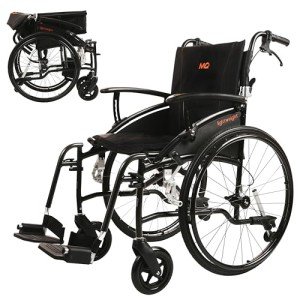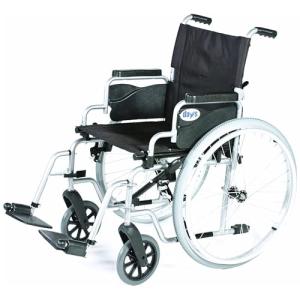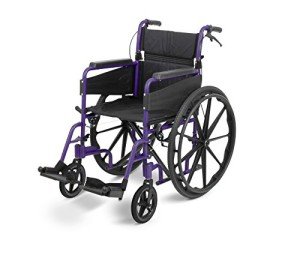

Mobility is a fundamental aspect of independence and quality of life. For adults facing challenges with walking or stamina, a wheelchair is not just a piece of medical equipment; it is a gateway to the world. In recent years, the design of mobility aids has shifted from heavy, industrial-looking frames to sleek, lightweight folding wheelchairs. Among these, models equipped with handbrakes have gained significant popularity for their safety and convenience.
This blog explores the features, benefits, and considerations of choosing a lightweight folding wheelchair for adults, with a specific focus on the added safety of handbrakes.
The Evolution of the Lightweight Folding Wheelchair
Historically, wheelchairs were bulky structures made of heavy steel, weighing 40 to 50 pounds or more. While durable, they were notoriously difficult to transport and required significant upper-body strength to maneuver. Modern engineering has introduced high-grade aluminum and titanium alloys, allowing for chairs that weigh as little as 15 to 25 pounds without compromising structural integrity.
The "folding" mechanism further revolutionized the industry. By allowing the chair to collapse into a compact size, it became possible for users and caregivers to tuck the device into a car trunk, hall closet, or airplane overhead bin. When combined with handbrakes, these chairs provide a comprehensive solution for both safety and portability.
Why Handbrakes are a Game-Changer
While standard wheelchairs come with "wheel locks" (which keep the chair stationary), handbrakes—often located on the push handles for the caregiver or near the wheels for the user—offer active control.
1. Safety on Inclines
Navigating a ramp or a sloped sidewalk can be dangerous. Handbrakes allow the operator to control the speed of descent, preventing the chair from "running away" or gaining too much momentum.
2. Enhanced Caregiver Control
For chairs categorized as "transport chairs" or companion-led wheelchairs, handbrakes are essential. They allow the caregiver to stop the chair immediately in a crowd or on uneven terrain without having to bend down to flip a manual wheel lock.
3. Precision Maneuvering
Handbrakes allow for subtle adjustments in steering. By applying slight pressure to one brake, the user or caregiver can navigate tight corners with greater precision.
Key Features to Consider
When selecting a lightweight folding wheelchair for an adult, several technical specifications must be evaluated to ensure comfort and functionality.
Material and Weight
- Aluminum: The most common material for lightweight chairs. It is rust-resistant and strikes a balance between cost and weight.
- Carbon Fiber: The gold standard for "ultra-lightweight" chairs, though often more expensive.
- Weight Capacity: Most lightweight models support between 250 to 300 lbs. Bariatric lightweight models are available but may have a slightly higher base weight.
Portability Features
- Quick-Release Wheels: Some models allow the large rear wheels to be removed with the push of a button, making the frame even lighter for lifting.
- Fold-Down Backrests: This feature reduces the vertical height of the chair when folded, making it easier to fit into smaller vehicles.
Comfort and Ergonomics
- Seat Width: Standard sizes are 16, 18, and 20 inches. Choosing the correct width is vital for preventing pressure sores and ensuring stability.
- Armrests: Options include "desk-length" (to allow the user to sit at a table) or "full-length" for extra support.
- Footrests: Swing-away footrests make it easier to get in and out of the chair.
Comparison of Wheelchair Categories
To better understand where lightweight folding chairs fit in the market, consider the following comparison table:
| Feature | Standard Wheelchair | Lightweight Folding Wheelchair | Ultra-Lightweight Wheelchair |
|---|---|---|---|
| Average Weight | 35 - 50 lbs | 25 - 34 lbs | 15 - 24 lbs |
| Primary Material | Steel | Aluminum | Carbon Fiber / Titanium |
| Portability | Low (Difficult to lift) | High (Easy to fold/lift) | Very High (Superior for travel) |
| Handbrakes | Rare (Mostly wheel locks) | Common (Companion & User) | Often Integrated |
| Typical Cost | £150 - £300 | £300 - £800 | £1,000 - £3,000+ |
| Best For | Short-term/In-home use | Daily activity & Travel | Permanent users / Athletes |
Benefits of Lightweight Models for Daily Life
Improved Physical Health for Caregivers
Lowering the weight of the wheelchair significantly reduces the risk of back strain for caregivers who must lift the chair into vehicles multiple times a day.
Increased Independence for Users
A lighter frame requires less energy to propel. For adults with limited upper-body strength or respiratory issues, the difference between a 40-pound chair and a 25-pound chair can mean the difference between staying home and going to the park.
Versatility in Travel
Lightweight folding wheelchairs are the preferred choice for those who enjoy travel. Many models are "TSA-approved" and can be gate-checked at airports easily. Their compact footprint also makes them ideal for cruise ship cabins and public transportation.
Important Maintenance Tips
To ensure the longevity of a folding wheelchair and the reliability of its handbrakes, regular maintenance is required.
- Check Tire Pressure: If the chair has pneumatic (air-filled) tires, keep them properly inflated. Low pressure makes the chair harder to push and the brakes less effective.
- Inspect Brake Pads: Over time, the pads that grip the tire can wear down. Ensure they are making firm contact with the wheel.
- Lubricate Folding Joints: Use a silicone-based lubricant on the "X-frame" hinge once every few months to ensure it folds and unfolds smoothly.
- Clean the Frame: Remove salt, dirt, or moisture from the aluminum frame to prevent any potential oxidation and keep the chair looking new.
Checklist: Before You Buy
- Measure the User: Ensure the seat width and depth match the user’s body type.
- Measure the Doors: If using the chair at home, ensure the total width of the wheelchair can pass through your narrowest doorway.
- Test the Fold: Can you (or the primary caregiver) easily operate the folding mechanism?
- Confirm Brake Type: Does the chair have push-to-lock brakes, or does it include the desired handbrakes on the handles?
- Weight Check: Verify that the "transport weight" (weight without footrests or wheels) is something you can comfortably lift.
Frequently Asked Questions (FAQ)
1. Is a lightweight folding wheelchair as durable as a heavy steel one?
Yes. Modern aluminum alloys are designed to be high-strength. While steel can withstand more extreme blunt-force trauma, aluminum chairs are more than durable enough for daily use and are less prone to rust and corrosion.
2. What is the difference between a transport chair and a manual wheelchair?
A transport chair has four small wheels and requires someone else to push it. Manual wheelchairs have two large rear wheels that allow the user to self-propel. Both can be lightweight, folding, and equipped with handbrakes.
3. Can I use these wheelchairs on grass or gravel?
While lightweight chairs are best on flat surfaces (pavement, tile, wood), many can handle firm grass or packed gravel. However, models with smaller front casters may struggle with very soft or uneven terrain.
4. Do insurance or Medicare cover lightweight wheelchairs?
In many cases, yes, provided a doctor deems it "medically necessary." You will often need a prescription and a physical therapy evaluation to qualify for reimbursement for a lightweight or ultra-lightweight model.
5. Why do some chairs have brakes on the handles?
These are called "companion brakes." They allow the person pushing the chair to control the speed and stop the chair safely, which is much easier than reaching down to the wheels while in motion.
The transition to a lightweight folding wheelchair with handbrakes represents a move toward a more active and safer lifestyle. By prioritizing materials like aluminum and features like companion handbrakes, adults can maintain their mobility without the physical burden of traditional, heavy equipment.
When choosing a model, it is essential to balance weight, comfort, and safety features. A well-selected wheelchair does more than aid movement; it provides the user with the confidence to explore their surroundings and the caregiver with the peace of mind that safety is literally at their fingertips. Whether for travel, errands, or daily use, the lightweight folding wheelchair remains one of the most versatile tools in modern mobility.