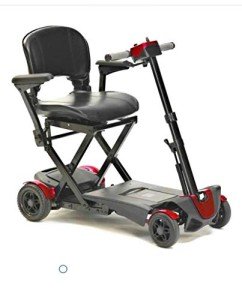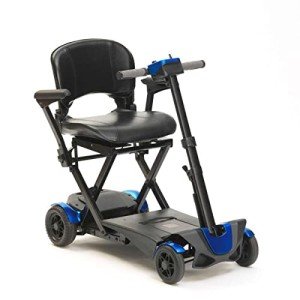





In the modern era of accessibility, the demand for mobility aids that balance functionality with portability has never been higher. For many individuals, the transition to using a mobility scooter is not just about movement; it is about reclaiming independence and maintaining an active social life. Among the plethora of options available on the market, the Livewell Instafold Black Folding Mobility Scooter has emerged as a frontrunner. Designed specifically for those who value travel and ease of storage, this scooter represents a significant leap in mobility engineering.
This guide provides an in-depth exploration of the Livewell Instafold, examining its design, technical specifications, and the practical benefits it offers to users seeking a reliable travel companion.
The Concept of "Instafold": Design and Aesthetics
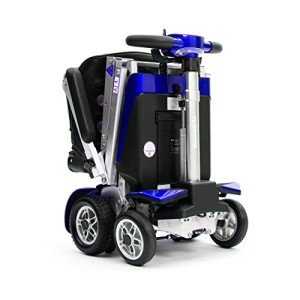
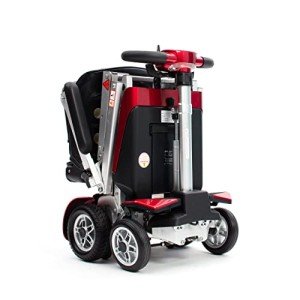
The most striking feature of the Livewell Instafold is right in its name. Unlike traditional mobility scooters that require the removal of seats and batteries to fit into a vehicle, the Instafold is designed with a singular, fluid folding mechanism. This allows the device to collapse into a compact shape in a matter of seconds, making it ideal for storage in small apartments or the boots of compact cars.
The aesthetic choice of a sleek black finish serves a dual purpose. Firstly, it offers a modern, high-end look that moves away from the clinical appearance of older mobility aids. Secondly, the matte black frame is practical, effectively hiding the minor scuffs and scratches that naturally occur during travel and frequent loading.
Key Design Features:
- Compact Footprint: When folded, the scooter occupies minimal space.
- Lightweight Frame: Constructed from high-grade aluminum to ensure durability without excessive weight.
- User-Centric Tiller: The control bar is designed for intuitive use, featuring easy-to-read displays and ergonomic handles.
Technical Specifications at a Glance
For many users, the technical capabilities of a scooter are the deciding factor. The Livewell Instafold is a Class 2 mobility scooter, meaning it is designed for use on pavements and in pedestrian areas.
Table 1: Technical Specifications of the Livewell Instafold
| Feature | Specification |
|---|---|
| Max Speed | 4 mph (6.4 km/h) |
| Max Range | Up to 10 miles (16 km) |
| Total Weight | 25 kg (approx. 55 lbs) |
| Weight Capacity | 115 kg (18 stone) |
| Battery Type | 24V 10Ah Lithium-ion |
| Ground Clearance | 35 mm |
| Turning Radius | 1200 mm |
| Folded Dimensions | 450 x 450 x 635 mm |
Portability: The Ultimate Travel Companion
The primary appeal of the Livewell Instafold is its suitability for travel. Standard scooters often require a dedicated vehicle lift or a large SUV for transport. In contrast, the Instafold is designed to accompany the user on various modes of transport, including trains, buses, and cruise ships.
Air Travel and the Lithium-Ion Advantage
The inclusion of a lithium-ion battery is a critical advantage. Lithium batteries are significantly lighter than the traditional lead-acid counterparts found in older models. Furthermore, the 24V 10Ah battery is often within the limits allowed by many airlines for air travel (though it is always recommended to check with specific carriers beforehand).
Storage Versatility
Because the scooter folds into a shape roughly the size of a medium suitcase, it can be tucked away in hallways, under stairs, or in the corner of a restaurant. This eliminates the "parking anxiety" often associated with larger, non-folding units.
Performance and User Comfort
While portability is the headline feature, the Livewell Instafold does not compromise on the riding experience. It features a padded seat and backrest, ensuring that short trips to the shops or long afternoons at a museum remain comfortable.
Suspension and Handling
The scooter is equipped with a front-suspension system, which is a rarity for many lightweight folding models. This helps to dampen the vibrations from uneven pavements or cobblestones. The solid puncture-proof tires further enhance reliability, ensuring that the user is never stranded due to a flat tire.
Ease of Operation
The control panel is simplified to reduce the learning curve. It features:
- A variable speed dial.
- A battery life indicator.
- A simple forward/reverse lever (wig-wag system).
- A horn for pedestrian safety.
Comparative Analysis: How It Stands Out
When choosing a mobility scooter, it is helpful to see how a specialized folding model compares to more traditional "boot scooters" (scooters that take apart).
Table 2: Livewell Instafold vs. Standard Boot Scooters
| Feature | Livewell Instafold | Standard Boot Scooter |
|---|---|---|
| Assembly | Folds in one piece | Requires disassembly (5+ parts) |
| Battery Type | Lithium-ion (Lightweight) | Lead-acid (Heavy) |
| Weight of Heaviest Part | 25 kg (Total unit) | 10–15 kg (Separate components) |
| Folded Size | Very Compact | Multiple bulky parts |
| Ideal For | Frequent travelers, small cars | Occasional use, larger vehicles |
Safety Features and Maintenance
Safety is paramount when operating any mobility vehicle. The Livewell Instafold includes several built-in features to protect the user:
- Electromagnetic Braking: The scooter automatically applies the brakes when the throttle is released, even on inclines.
- Anti-Tip Wheels: Small wheels at the rear prevent the scooter from tipping backward on slopes.
- Front LED Light: Enhances visibility during late afternoon or evening excursions.
Maintenance Checklist for Longevity
To ensure the Livewell Instafold remains in peak condition, users should follow a regular maintenance routine:
- Battery Care: Charge the battery after every use; never let it remain fully discharged for long periods.
- Cleaning: Wipe the frame with a damp cloth to remove grit and salt (especially in winter).
- Tyre Inspection: Regularly check for wear and tear, even though they are puncture-proof.
- Folding Joints: Periodically check that the folding mechanism is free of debris and operates smoothly.
Who is the Livewell Instafold For?
The Livewell Instafold is not necessarily a "one-size-fits-all" solution, but it excels for specific demographics:
- The Active Traveler: Individuals who frequently visit family, go on holidays, or enjoy day trips.
- The Apartment Dweller: Those with limited indoor space who cannot accommodate a full-sized scooter.
- The Independent Driver: Users who can lift 25kg into a car boot and want a scooter that doesn't require complex assembly.
Final Thoughts
The Livewell Instafold Black Folding Mobility Scooter is more than just a piece of medical equipment; it is a tool for empowerment. By successfully merging the convenience of a folding design with the reliability of modern lithium technology, Livewell has created a product that addresses the most common pain points of mobility scooter users. While it may have a slightly lower range than heavy-duty Class 3 scooters, its portability makes it an unbeatable choice for the urban explorer or the holidaymaker.
Frequently Asked Questions (FAQ)
1. Does the Livewell Instafold come pre-assembled?
Yes, the Instafold typically arrives fully assembled. Users simply need to unfold it, ensure the battery is charged, and it is ready for use.
2. Can the battery be charged off-board?
Yes, the lithium battery can be easily removed, allowing the user to leave the scooter in a storage area or car boot while charging the battery inside their home.
3. Is the scooter suitable for use on grass?
The Instafold is designed primarily for flat, paved surfaces. While it can handle very short, well-maintained grass or flat gravel, it is not an off-road scooter and may struggle on soft or uneven terrain.
4. What is the maximum gradient the scooter can climb?
The scooter is rated for a safe climbing angle of approximately 6 to 8 degrees. It is always advised to approach slopes with caution and maintain a steady speed.
5. How long does it take to fold and unfold?
The mechanism is designed for speed; most users can fold or unfold the scooter in under 10 seconds with minimal physical exertion.
6. Is it airline-approved?
While the 10Ah lithium battery is generally accepted by many airlines as "dry cell" equivalent, policies vary. It is essential to contact your airline 48 hours before travel to provide them with the battery specifications.