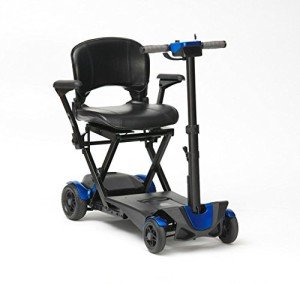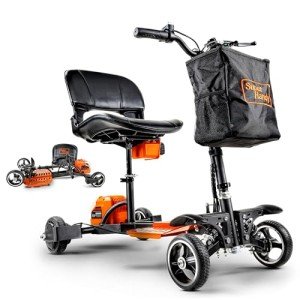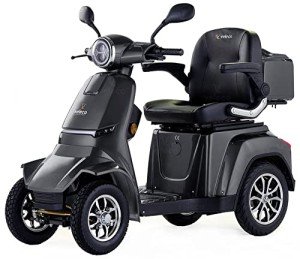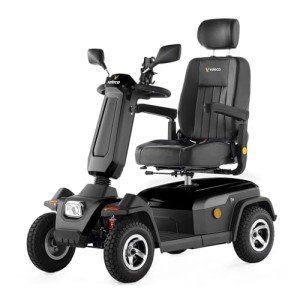





For individuals with limited mobility, the world can sometimes feel as though it is shrinking. Whether due to age, injury, or chronic health conditions, the ability to navigate shopping centers, parks, and travel hubs is vital for maintaining a high quality of life. The Livewell Instafold Compact Folding Mobility Scooter has emerged as a leading solution in the "travel scooter" category, specifically designed to bridge the gap between heavy-duty mobility and effortless portability.
This post provides a comprehensive analysis of the Livewell Instafold, examining its technical specifications, design philosophy, performance capabilities, and practical applications for daily use.
The Evolution of Portable Mobility
Historically, mobility scooters were bulky machines that required specialized vans or complex hoist systems for transport. The "compact folding" revolution changed this dynamic, and the Instafold represents the pinnacle of this evolution. By utilizing lightweight materials and a revolutionary folding mechanism, it allows users to regain their independence without the need for a modified vehicle.
Technical Specifications at a Glance
Before diving into the functional benefits, it is essential to understand the engineering behind the device. The following table outlines the core technical data for the Livewell Instafold.
| Feature | Specification |
|---|---|
| Top Speed | 4 mph (6.4 km/h) |
| Maximum Range | Up to 10 miles (16 km) |
| Weight Capacity | 125 kg (19.7 Stone) |
| Total Weight | Approx. 25 kg (including battery) |
| Battery Type | 24V 10Ah Lithium-ion (Airlines Friendly) |
| Motor | 120W |
| Dimensions (Unfolded) | 94cm (L) x 45cm (W) x 87cm (H) |
| Dimensions (Folded) | 45cm (L) x 45cm (W) x 63cm (H) |
| Ground Clearance | 3.5 cm |
| Turning Radius | 120 cm |
Key Features and Design Innovation
The Livewell Instafold is defined by its balance of simplicity and sophisticated engineering. Unlike manual folding scooters that require the user to bend down and manipulate heavy latches, the Instafold focuses on accessibility.
1. The Automatic Folding Mechanism
Perhaps the most significant selling point of this model is the "Instafold" technology. With the simple press of a button—either on the scooter’s dashboard or via a handheld remote-control key fob—the scooter folds and unfolds itself in seconds. This feature is invaluable for users with limited dexterity or those who struggle with heavy lifting and bending.
2. Lightweight and Compact Frame
Constructed from a magnesium alloy frame, the scooter is designed to be as light as possible without compromising structural integrity. When folded, it resembles a small piece of carry-on luggage. This compact footprint allows it to fit into the boots of most standard hatchbacks and even small city cars, making it an ideal companion for day trips or holidays.
3. Lithium-Ion Battery Technology
The inclusion of a high-quality lithium-ion battery serves two purposes. First, it significantly reduces the overall weight compared to traditional lead-acid batteries. Second, the battery is "flight-friendly." Most airlines allow these specific lithium-ion power packs (though users should always check with their carrier beforehand), allowing the Instafold to be taken right to the aircraft gate.
Performance and Maneuverability
While the Instafold is built for portability, its performance on the pavement is surprisingly robust. It is classified as a Class 2 mobility scooter, meaning it is intended for use on footpaths and in pedestrian areas rather than on the road.
Driving Experience
The scooter features a delta-tiller steering system. This "wraparound" handle allows users to rest their wrists and steer using either hand, which is particularly beneficial for those with arthritis. The speed is controlled via a simple dial on the dashboard, allowing the user to set a comfortable pace in crowded areas or increase it to the 4-mph maximum on clear paths.
Stability and Safety
Unlike some three-wheeled travel scooters that can feel untrustworthy on uneven ground, the Instafold utilizes a four-wheel design. This provides a wider base and a lower center of gravity, significantly reducing the risk of tipping during turns. It also includes:
- Anti-tip wheels: Small wheels at the rear to prevent the device from tipping backward on inclines.
- Electromagnetic braking: The scooter automatically brakes when the throttle is released, ensuring it remains stationary even on a slope.
- Solid Puncture-Proof Tyres: Users need not worry about flats while out and about, as the tires are made of durable, solid rubber designed for urban surfaces.
User Comfort and Ergonomics
Often, compact scooters sacrifice comfort for the sake of weight. While the Instafold is not intended for long-distance "all-day" touring like larger Class 3 scooters, it offers a commendable level of comfort for its size.
- Padded Seating: The seat and backrest are upholstered with a cushioned material that provides adequate support for suburban trips.
- Adjustable Tiller: The height and angle of the steering column can be adjusted to suit the arm length and height of the driver.
- On-Board Charging: The charging port is conveniently located on the tiller, meaning the user does not have to bend down to the floor level to plug in the device.
Pros and Cons of the Livewell Instafold
To provide a balanced view, it is important to weigh the advantages against the limitations inherent in a compact design.
Advantages (Pros)
- Ease of Use: The remote-controlled folding is a "best-in-class" feature.
- Portability: It is one of the easiest scooters to transport in a vehicle.
- Storage: Its small folded dimensions make it perfect for those living in flats or houses with limited hallway space.
- Travel Ready: Excellent for cruises, trains, and air travel.
- Modern Aesthetics: Sleek, contemporary design that avoids the "medical" look of older scooters.
Limitations (Cons)
- Terrain Restrictions: Due to small wheels and low ground clearance, it is strictly for flat pavements and indoor surfaces; it will struggle on thick grass or gravel.
- Weight Limit: With a maximum capacity of 125kg, it may not be suitable for bariatric users.
- Suspension: It lacks a full suspension system, meaning the ride can feel bumpy on cracked pavements.
Maintenance and Longevity
To ensure the Livewell Instafold remains in peak condition, a basic maintenance routine is recommended. Because the folding mechanism involves moving motorized parts, keeping the joints free of debris is essential.
- Battery Care: Lithium batteries perform best when they are not allowed to drain completely. Regular charging, even when not in use, will extend the battery's lifespan.
- Cleaning: Use a damp cloth to wipe down the frame. Avoid using high-pressure hoses, as moisture can damage the sensitive electronics in the folding motor.
- Tire Inspection: Regularly check the solid tires for excessive wear or embedded glass/stones.
- Hinge Lubrication: Occasionally applying a silicone-based lubricant to the folding joints will ensure the automatic mechanism continues to operate smoothly.
Final Thoughts
The Livewell Instafold Compact Folding Mobility Scooter represents a significant leap forward in accessible technology. It is a tool designed for the active individual who refuses to let mobility challenges dictate their schedule. While it may not be an "off-road" beast, its ability to transform from a fully functional vehicle into a compact suitcase-sized package in seconds makes it an invaluable asset for urban living and global travel.
Frequently Asked Questions (FAQ)
1. Does the Instafold come fully assembled?
Yes, in most cases, the Instafold arrives fully assembled. Users simply need to unpack it, charge the battery, and use the remote or button to unfold it for the first time.
2. Can I take the Livewell Instafold on a plane?
Generally, yes. It uses a Lithium-ion battery that is designed to meet most airline safety regulations. However, you must notify your airline in advance and provide them with the battery specifications found in the user manual.
3. How long does the battery take to charge?
A full charge typically takes between 4 to 6 hours. It is recommended to charge the scooter overnight after a day of significant use.
4. Can the scooter be folded manually if the battery dies?
Yes, there is usually a manual release lever or bypass that allows the scooter to be folded or unfolded in the event of a total power loss.
5. Is it easy to lift into a car boot?
While 25kg is significantly lighter than standard scooters, it may still be heavy for some individuals to lift alone. Many users find it manageable, but those with severe lifting restrictions may require assistance or a lightweight ramp.
6. What happens if I lose the remote control?
The scooter features a backup folding button located on the body of the machine, so you will never be "stuck" if the remote battery dies or the fob is misplaced. Replacement remotes can usually be ordered from the manufacturer.