

For many individuals, a mobility scooter represents more than just a piece of equipment; it is a vital tool for independence, providing the freedom to navigate the world with confidence. At the heart of this machine lies the control panel—often referred to as the "tiller" or dashboard. This central hub houses the ignition, speed controls, battery indicators, and horn. However, as robust as these machines are designed to be, their electronic components remain highly susceptible to environmental damage.
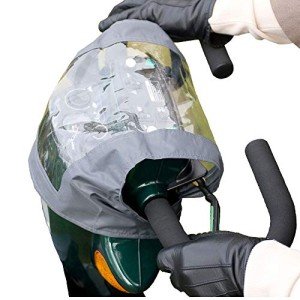
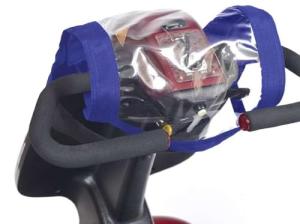
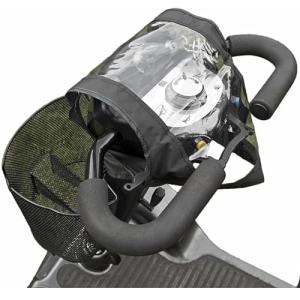
A mobility scooter control panel cover is an essential accessory designed to shield these sensitive electronics from the elements. This guide explores the importance of these covers, the various types available, and how to choose the best one to ensure the longevity of a mobility aid.
Why the Control Panel Needs Specialized Protection
Modern mobility scooters are marvels of engineering, but their reliance on digital displays and electronic circuitry makes them vulnerable. The dashboard is the most exposed part of the scooter, sitting directly in front of the rider and facing the sky. Without protection, several factors can compromise the functionality of the device.
1. Water and Moisture Ingress
Rain is the most obvious threat. Even a light drizzle can seep into the gaps around buttons or the throttle lever (wig-wag), leading to short circuits. However, moisture isn't just about rain; high humidity and morning dew can cause internal condensation, which gradually corrodes copper tracks on the circuit boards.
2. Dust and Debris
For those who use their scooters in parks or near construction areas, fine dust and grit can settle into the switches. Over time, this buildup causes buttons to stick or prevents the ignition key from turning smoothly.
3. UV Radiation
Prolonged exposure to direct sunlight can be just as damaging as water. UV rays cause the plastic casing of the control panel to become brittle and crack. Furthermore, it can "sun-bleach" the LCD screens or clear plastic windows, making it nearly impossible to read the battery gauge or speed settings in bright light.
Key Features to Look For in a Control Panel Cover
When selecting a cover, it is important to consider both functionality and durability. A poorly designed cover can hamper the user’s ability to operate the scooter safely.
Material Composition
Most high-quality covers are made from a combination of heavy-duty fabrics and transparent plastic.
- Waterproof Fabrics: Materials like heavy-duty Oxford polyester with a PVC backing are standard for the "body" of the cover.
- Clear Visibility Panels: The top section should feature a high-grade, UV-resistant clear plastic window so the user can see all gauges clearly.
Ease of Access
A cover should not hinder the operation of the scooter. Owners should look for covers that allow full movement of the thumb or finger levers (the throttle) without the fabric bunching up.
Secure Fastening
Since scooters are often used in windy conditions, the cover must stay in place. Common fastening methods include:
- Velcro Straps: These allow for a custom fit around the tiller column.
- Elasticated Hems: These provide a "snug" fit that grips the underside of the dashboard.
Comparison of Cover Materials
To help determine which type of protection is best suited for specific environments, the following table outlines the most common materials used in control panel covers.
| Material Type | Pros | Cons | Best For |
|---|---|---|---|
| Heavy-Duty PVC | 100% Waterproof, very durable, easy to wipe clean. | Can become stiff in very cold weather; less breathable. | Heavy rain and winter use. |
| Oxford Polyester | Flexible, lightweight, tear-resistant. | Requires a waterproof coating to be fully effective. | General daily protection and dust. |
| Neoprene | Excellent shock absorption and snug fit. | Absorbs some moisture; can be expensive. | Protecting against bumps and scratches. |
| Clear Vinyl | High visibility for all controls. | Can yellow over time if not UV-treated. | Budget-friendly options and casual use. |
Benefits of Using a Control Panel Cover
The decision to invest in a cover offers several long-term advantages that far outweigh the initial cost of the accessory.
Financial Savings
The cost of replacing a full tiller head or a main control PCB (Printed Circuit Board) can range from £150 to over £500, depending on the scooter model. In contrast, a high-quality cover usually costs between £20 and £40. It is a small price to pay for "insurance" against water damage.
Enhanced Safety
Electronic malfunctions caused by water can lead to "erratic behavior," such as the scooter stopping suddenly or failing to respond to braking. By keeping the electronics dry, the user ensures the scooter remains reliable and predictable.
Resale Value
A scooter that has been well-maintained, with a clear and uncracked dashboard, will command a higher price on the secondary market. Protection prevents the "aged" look that comes from sun damage and scratches.
How to Choose the Correct Size
Not all mobility scooters are shaped the same. Some have "delta" tillers (wraparound handles), while others have straight handlebars.
| Scooter Type | Dashboard Style | Recommended Cover Style |
|---|---|---|
| Travel/Portable | Compact and flat. | Standard small elasticated cover. |
| Pavement (Mid-size) | Angled with digital displays. | Medium cover with large clear window. |
| Road-Legal (Large) | Wide tillers with mirrors. | Extra-wide covers with side slits for mirror stalks. |
Maintenance and Care for the Cover
To ensure the cover continues to provide optimal protection, it requires a small amount of maintenance.
- Regular Cleaning: Wipe the clear plastic window with a damp cloth and mild soap. Avoid harsh chemicals that could cloud the plastic.
- Dry After Use: If the cover gets soaked in a heavy downpour, it should be removed once the scooter is safely indoors and allowed to air dry. This prevents moisture from being trapped against the electronics.
- Check for Tears: Periodically inspect the seams and the clear window for any small cracks or punctures that could let water in.
Frequently Asked Questions (FAQ)
Can I leave the cover on while charging the scooter?
Yes, most covers do not interfere with the charging port, which is usually located lower down on the tiller column. However, if the charging port is located directly on the control panel, ensure the cover has an access flap or is removed during charging to prevent heat buildup.
Will a universal cover fit my specific brand of scooter?
Most control panel covers are designed to be "universal," meaning they fit a wide range of brands like Pride, Drive Medical, and Invacare. However, users with extra-large luxury scooters or very small folding travel scooters should check the dimensions before purchasing.
Does the cover affect the sensitivity of touch buttons?
If the cover is made of high-quality, flexible clear plastic, it should not affect button operation. If the plastic is too thick or stiff, it may require a bit more pressure to activate switches.
Is the cover useful if I only use my scooter indoors?
While rain isn't a factor indoors, a cover can still protect against dust, spilled drinks, and accidental scratches in tight spaces like hallways or elevators.
Can I see my LED battery indicator through the cover?
Yes. Quality covers are designed with high-transparency windows specifically so that the battery life and speed dials remain visible at all times.
The control panel is the most critical and sensitive component of a mobility scooter. Given the unpredictable nature of the weather and the high cost of electronic repairs, a control panel cover is not just an optional accessory—it is a necessity. By choosing a cover with the right material, a secure fit, and clear visibility, scooter owners can protect their investment and ensure their mobility remains uninterrupted regardless of the weather.
Investing in protection today ensures that the "brain" of the scooter remains functional for years to come, providing peace of mind for every journey.