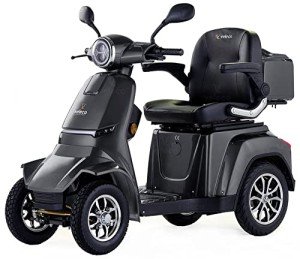
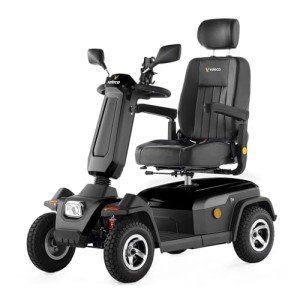
For many adults and seniors, the desire to maintain an active lifestyle is often hindered by physical limitations. Traditional wheelchairs and standard indoor mobility scooters offer freedom within the home or on smooth pavements, but they frequently fall short when faced with gravel paths, grassy parks, or uneven trails. This is where the PAISEEC S1 All-Terrain Mobility Scooter enters the market as a robust solution designed to bridge the gap between medical necessity and outdoor adventure.
The PAISEEC S1 is engineered specifically for individuals who refuse to let terrain dictate their boundaries. This long-form guide provides a comprehensive analysis of its features, performance metrics, and the practical benefits it offers to modern users.
The Evolution of All-Terrain Mobility
Mobility technology has shifted from purely functional medical devices to high-performance outdoor vehicles. The PAISEEC S1 represents this evolution by prioritizing durability and torque. Unlike its predecessors, which were often bulky and difficult to maneuver, the S1 balances heavy-duty power with intuitive controls, making it accessible for adults with varying levels of dexterity.
Technical Specifications at a Glance
Before diving into the narrative of its performance, it is essential to understand the raw data that powers the PAISEEC S1. The following table highlights the core specifications that define this model.
| Feature | Specification |
|---|---|
| Weight Capacity | Up to 400 lbs (181 kg) |
| Maximum Speed | 12 - 15 mph (Depending on terrain) |
| Battery Range | 25 - 35 miles per charge |
| Ground Clearance | 5.5 inches |
| Tire Type | 13-inch Pneumatic Off-Road Tires |
| Motor Type | High-Torque Rear-Wheel Drive |
| Suspension | Full Front and Rear Independent Suspension |
| Incline Rating | 15 - 20 degrees |
Design and Ergonomics: Comfort for Long Journeys
When operating a vehicle for extended periods, comfort is not a luxury—it is a requirement. The PAISEEC S1 features an adjustable captain’s seat, which is often cited as one of its most valuable components. This high-back seat provides lumbar support and can be rotated to facilitate easier transfers.
Key Ergonomic Features:
- Adjustable Tiller: The steering column (tiller) can be tilted forward or backward to accommodate users of different heights and arm lengths.
- Padded Armrests: The armrests are not only padded but also width-adjustable, ensuring that users of various body types can find a comfortable seating position.
- Ample Legroom: Designed with a spacious floorboard, the S1 allows users to change foot positions during long rides, reducing the risk of stiffness or cramping.
Performance: Conquering the Outdoors
The "All-Terrain" designation is not merely a marketing term for the PAISEEC S1; it is a description of its mechanical capabilities. The scooter is equipped with a high-torque motor system that provides the necessary "grunt" to climb steep driveways and navigate through thick grass.
Advanced Suspension System
One of the primary challenges for mobility scooter users is the jarring impact of bumps and cracks in the road. The S1 addresses this with a full independent suspension system. This mechanism absorbs the energy from uneven surfaces, protecting the user’s spine and joints from repetitive micro-trauma.
Off-Road Tires
The 13-inch pneumatic tires are significantly larger than those found on standard scooters. Their deep tread patterns provide superior grip on loose surfaces like sand, gravel, and wet grass. Because they are air-filled, they provide an additional layer of cushioning against the ground.
Safety and Visibility
Safety is paramount for any vehicle intended for use near traffic or in remote areas. The PAISEEC S1 incorporates several automotive-grade safety features to ensure the user is protected at all times.
- Electromagnetic Braking: This system automatically engages the brakes when the user releases the throttle, preventing the scooter from rolling back on hills.
- LED Lighting Package: The S1 includes high-intensity LED headlights, rear taillights, and turn signals. This ensures visibility during dusk or dawn excursions.
- Rearview Mirrors: Standard on the S1, these mirrors provide a wide field of vision, allowing the user to monitor their surroundings without needing to strain their neck.
- Anti-Tip Wheels: Small wheels located at the rear of the chassis prevent the scooter from tipping backward during steep climbs.
Comparison: PAISEEC S1 vs. Standard Mobility Scooters
For potential buyers, it is important to understand how an all-terrain model differs from a standard travel scooter.
| Feature | Standard Mobility Scooter | PAISEEC S1 All-Terrain |
|---|---|---|
| Primary Use | Shopping Malls & Smooth Floors | Trails, Grass, Gravel, & Pavement |
| Portability | High (Often disassembles/folds) | Moderate (Requires ramp/lift) |
| Wheel Size | 7 - 9 inches | 13 inches |
| Suspension | Minimal or None | Full Independent Suspension |
| Speed | 4 - 5 mph | 12 - 15 mph |
Daily Practicality and Range
While the S1 is built for the outdoors, it remains a practical choice for daily errands. The impressive battery range of up to 35 miles means that users can spend an entire day out—visiting a park, going to a ballgame, and stopping by a friend's house—without the "range anxiety" often associated with smaller electric vehicles.
The inclusion of a front basket and rear storage options allows for the transport of groceries, medical equipment, or personal belongings. For those who enjoy community events, the S1 provides the reliability needed to navigate crowded fairs or outdoor festivals where the ground may be inconsistent.
Pros and Cons of the PAISEEC S1
An informative review must balance the benefits with the practical considerations of ownership.
Advantages:
- Unmatched Versatility: Successfully transitions from smooth indoor surfaces to rugged outdoor paths.
- High Weight Capacity: Accommodates a wider range of users safely.
- Long-Lasting Battery: Ideal for those who enjoy long-distance travel.
- Robust Build Quality: Built with a heavy-duty frame that resists wear and tear.
Considerations:
- Size: Its larger footprint makes it less ideal for very narrow indoor hallways or small apartments.
- Weight: Because it is built for durability, it is heavy and usually requires a vehicle lift or a ramp for transport.
- Turning Radius: The larger tires result in a wider turning circle compared to three-wheel indoor models.
The PAISEEC S1 All-Terrain Mobility Scooter represents a significant leap forward in personal transport for adults. By combining the comfort of a luxury vehicle with the ruggedness of an off-road explorer, it empowers users to reclaim their independence. Whether it is a trip to the local park or a journey through a rural trail, the S1 provides the stability, power, and safety required to navigate the world with confidence. For those seeking a mobility solution that doesn't stop where the pavement ends, the PAISEEC S1 stands as a premier choice.
Frequently Asked Questions (FAQ)
1. Do I need a license to drive the PAISEEC S1?
In most jurisdictions, the PAISEEC S1 is classified as a medical mobility device rather than a motor vehicle. Therefore, a driver's license, insurance, or registration is typically not required. However, users should always check local municipal regulations regarding the use of mobility scooters on public sidewalks and roads.
2. How long does it take to charge the battery fully?
A full charge for the PAISEEC S1 usually takes between 8 and 10 hours. It is recommended to charge the device overnight after a day of heavy use to ensure the battery remains in peak condition.
3. Can the PAISEEC S1 be used in the rain?
While the S1 is designed for outdoor use, it is not fully waterproof. It can handle light moisture and damp ground, but it should not be operated in heavy rain or driven through deep puddles, as moisture can damage the electronic components and the motor.
4. Is the PAISEEC S1 foldable for car transport?
Unlike small "travel" scooters, the S1 is a heavy-duty model and does not fold. To transport it in a vehicle, you will typically need a SUV or van equipped with a ramp or a specialized hitch-mounted lift.
5. What kind of maintenance does the scooter require?
Maintenance is relatively minimal. Owners should regularly check the air pressure in the pneumatic tires, ensure the battery terminals are clean, and wipe down the exterior to prevent dirt buildup. An annual check-up by a mobility technician is recommended to inspect the brushes and brakes.