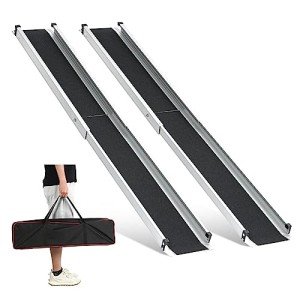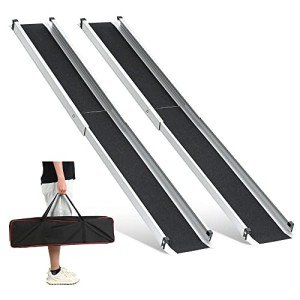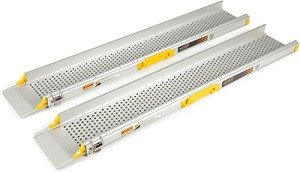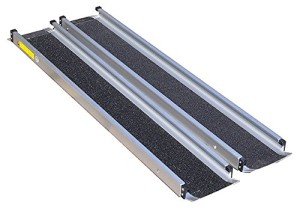





In today's increasingly inclusive world, mobility solutions are becoming more diverse and user-friendly. Among these, telescopic wheelchair ramps have emerged as a crucial resource for individuals with mobility challenges. Their practicality, coupled with features like carrying bags, makes them an essential tool for both users and caregivers. This guide provides an in-depth look at telescopic wheelchair ramps, specifically those measuring 4 feet and 7 feet, while addressing their benefits, features, and frequently asked questions.
What Are Telescopic Wheelchair Ramps?
Telescopic wheelchair ramps are portable accessibility solutions designed to assist individuals in navigating various terrains and obstacles, such as curbs and stairs. Unlike traditional ramps, telescopic ramps come with an adjustable length that can be modified to suit different heights and spaces. This adaptability makes them ideal for various scenarios, including homes, public places, and outdoor environments.
Key Features of Telescopic Wheelchair Ramps
-
Adjustable Length: Telescopic ramps can be extended or retracted according to the user's needs, allowing for versatile use in different settings.
-
Durable Construction: Made from high-quality materials like aluminum, they are designed to withstand heavy loads while remaining lightweight and portable.
-
Safety Features: Many models include safety straps or rubberized grips to secure the ramp and prevent slipping, ensuring safe use.
-
Compact Storage: Most telescopic ramps come with a carry bag, making them easy to store and transport.
-
User-Friendly Design: Designed for both wheelchair users and caregivers, they typically feature a gentle slope, minimizing the effort required to ascend or descend.
Benefits of Using Telescopic Wheelchair Ramps
-
Increased Accessibility: Telescopic ramps provide greater access to places that may be otherwise difficult to navigate, such as homes with steps or public venues with uneven ground.
-
Enhanced Independence: Users can independently traverse obstacles, enhancing their mobility and confidence.
-
Versatility: The adjustable nature of the ramp allows it to be used in multiple situations, making it a versatile tool for travel or everyday use.
-
Convenient Portability: The inclusion of a carry bag facilitates ease of transportation and storage, making it a practical choice for users on the move.
Choosing the Right Telescopic Wheelchair Ramp
When selecting a telescopic wheelchair ramp, consider several factors to ensure you choose the most suitable option for your needs.
-
Length and Height Capacity:
- 4ft Ramps are ideal for shorter platforms and offer a maximum height of around 30 inches.
- 7ft Ramps cater to taller heights, typically allowing access to platforms up to 48 inches high.
-
Weight Capacity: Ensure the ramp can support the weight of both the wheelchair and the user. Most telescopic ramps support 600-800 pounds.
-
Material: Opt for lightweight but sturdy materials like aluminum for easy maneuverability and longevity.
-
Surface Texture: Look for a non-slip surface or rubber grips to enhance safety during use.
-
Portability: Consider the weight of the ramp and the convenience of the carry bag.
FAQs About Telescopic Wheelchair Ramps
Q1: How do I measure the height I need a ramp for?
A1: To measure the height, you must determine the distance from the ground to the top of the step or surface the wheelchair needs to reach. Then, choose a ramp with an appropriate slope for safe ascent and descent.
Q2: Can telescopic ramps be used outdoors?
A2: Yes, most telescopic ramps are designed for both indoor and outdoor use. However, be sure to select ramps that have weather-resistant features if exposed to the elements.
Q3: How do I secure the ramp during use?
A3: Many telescopic ramps come with safety straps to secure the ramp to the wheelchair or the surface being accessed. Always ensure the ramp is firmly in place before use.
Q4: Can I use a telescopic ramp for other services, like carrying heavy items?
A4: While some people might use them for other purposes, it's critical to adhere to the weight capacity specified by the manufacturer to avoid accidents or damage.
Q5: Where can I purchase telescopic wheelchair ramps?
A5: Telescopic wheelchair ramps can be purchased at specialized medical equipment stores, online marketplaces, and retailers that focus on mobility solutions.
Telescopic wheelchair ramps with carrying bags stand as a beacon of independence and convenience for individuals with mobility challenges. Measuring 4 feet and 7 feet, these ramps offer versatility and practicality whether at home, in public spaces, or on the go. With a focus on safety, durability, and user-centric design, these ramps significantly enhance accessibility in everyday life.
Investing in a telescopic wheelchair ramp can open doors—literally and figuratively—fostering a sense of independence for users while alleviating the physical strain on caregivers. With the right ramp, mobility challenges can be navigated with ease, providing everyone the opportunity to engage in life's activities without unnecessary barriers.