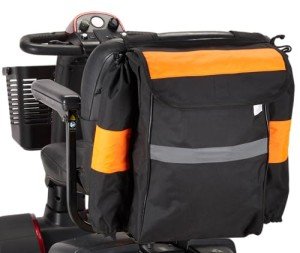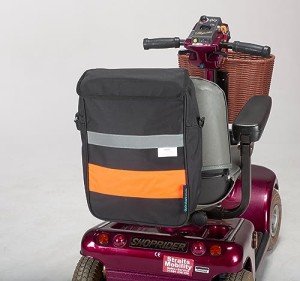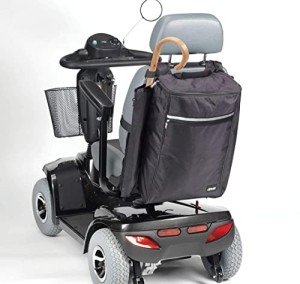





For individuals utilizing mobility scooters, independence is often synonymous with the ability to transport personal belongings and essential walking aids safely. While scooters provide excellent horizontal mobility, the challenge frequently arises when the user needs to transition to walking or needs to carry items through inclement weather. The development of the waterproof scooter bag with integrated crutch and walking stick pockets has addressed these logistical hurdles, offering a sophisticated solution for the modern mobility user.
This guide explores the engineering, benefits, and selection criteria for these specialized accessories, providing a comprehensive overview of why they have become an indispensable upgrade for scooter owners.
The Evolution of Scooter Storage Solutions
Historically, mobility scooter storage was limited to small front baskets or rudimentary under-seat compartments. These options often left items exposed to the elements or offered insufficient space for larger orthopedic aids. The introduction of heavy-duty, rear-mounted bags specifically designed with side-sleeves for crutches and walking sticks represents a significant leap in ergonomic design.
By utilizing the space behind the seat, these bags maintain the scooter’s center of gravity while providing weather-protected storage for groceries, medical supplies, and personal electronics.
Key Features and Construction
Advanced Waterproofing Materials
The primary function of a high-quality scooter bag is protection. Manufacturers typically utilize high-denier fabrics, such as 600D Oxford polyester or heavy-duty nylon with a PVC backing. These materials are chosen for their high tensile strength and resistance to tearing.
- Water-Resistant Zippers: High-end models feature "aquaguard" or covered zippers that prevent seepage through the teeth of the track.
- Heat-Sealed Seams: To ensure total dryness, internal seams are often heat-sealed or taped, preventing moisture from entering through needle holes.
- Drainage Eyelets: Paradoxically, quality bags often include small drainage eyelets in the external stick pockets to ensure that if a wet umbrella or stick is inserted, the water does not pool at the bottom.
Integrated Crutch and Stick Pockets
The standout feature of this specific bag category is the inclusion of dedicated side pockets or "sleeves." Carrying a crutch or a walking stick across the lap or hanging it off a handlebar can be dangerous, potentially interfering with the scooter’s controls or wheels.
Most specialized bags feature:
- Twin Side Sleeves: Allowing for the carriage of two crutches or one stick and one folding umbrella.
- Hook-and-Loop Fasteners: Secure straps at the top of the sleeve to prevent the aids from bouncing out during travel over uneven terrain.
- Reinforced Bases: The bottom of these pockets is often reinforced with hardened plastic or double-layered fabric to prevent the metal tips (ferrules) of the sticks from puncturing the bag.
Table 1: Comparison of Standard vs. Specialized Scooter Bags
| Feature | Standard Scooter Bag | Waterproof Bag with Crutch Pockets |
|---|---|---|
| Material | Lightweight Canvas | 600D Waterproof Polyester/Nylon |
| Crutch Storage | None (Requires separate attachment) | Integrated dual-side sleeves |
| Weather Resistance | Water-resistant (light rain) | Fully waterproof (heavy rain) |
| Visibility | Optional | High-visibility reflective piping included |
| Security | Minimal | Reinforced mounting straps and zip covers |
| Longevity | Medium (1–2 years) | High (3–5 years with heavy use) |
Safety and Visibility Considerations
Safety is a paramount concern for mobility users, especially when navigating near traffic or in low-light conditions. These bags are designed not just for storage, but as a safety enhancement.
Reflective Elements
Nearly all premium waterproof bags feature a large reflective strip or "piping" across the rear. This significantly increases the scooter's visibility to motorists approaching from behind, particularly at dusk or during heavy rain when visibility is naturally obscured.
Weight Distribution
The placement of the bag is critical. By mounting the bag to the back of the seat (usually via the headrest or integrated straps), the weight is distributed over the rear wheels. This prevents the "nose-heavy" sensation that can occur with overloaded front baskets, ensuring the steering remains light and responsive.
Installation and Universal Fit
Most waterproof scooter bags are designed with a "universal fit" philosophy. This means they can be attached to virtually any mobility scooter equipped with a standard high-backed or captain’s chair.
Common Attachment Methods:
- Over-the-Seat Straps: Wide, adjustable webbing loops that slide over the top of the seat.
- Buckle Systems: Snap-fasteners that allow for quick removal of the bag when it needs to be carried indoors.
- Headrest Loops: Specialized loops designed to hook around the poles of an adjustable headrest for added stability.
List: Essential Items to Carry in a Scooter Bag
- Medical Necessities: Spare medication, emergency contact info, and first-aid kits.
- Electronics: Mobile phones, chargers, and portable battery packs.
- Weather Protection: Lightweight ponchos, gloves, and scarves.
- Mobility Aids: Forearm crutches, walking sticks, or folding Reachers.
- Shopping: Groceries or small parcels.
Maintenance and Care
To maximize the lifespan of a waterproof scooter bag, routine maintenance is recommended. Although designed for the outdoors, salt, grit, and UV rays can eventually degrade even the toughest materials.
- Cleaning: Use a damp cloth with mild soap. Avoid machine washing, as the agitation can damage the waterproof PVC lining and the rigidity of the stick pockets.
- Air Drying: If the bag becomes saturated during a heavy storm, it should be emptied and left to air dry completely before being stored to prevent mold and mildew.
- Inspecting Straps: Periodically check the attachment straps for fraying. A bag that falls off during transit can pose a significant safety risk.
Table 2: Technical Specifications Overview
| Specification | Standard Range | Premium Range |
|---|---|---|
| Capacity | 20 - 25 Liters | 30 - 45 Liters |
| Max Load Weight | 5 kg (11 lbs) | 10 kg (22 lbs) |
| Number of Pockets | 1 Main, 2 Stick Sleeves | 3 Compartments, 2 Stick Sleeves, 1 Mesh Pocket |
| Fabric Grade | 400D Polyester | 600D - 1680D Ballistic Nylon |
| Fastening System | Fixed Straps | Adjustable Buckles + Headrest Loops |
FAQ: Frequently Asked Questions
1. Will the crutch pockets accommodate forearm crutches?
Yes, most designs are engineered to accommodate both standard underarm crutches and forearm (Lofstrand) crutches. However, it is advisable to check the diameter of the sleeve if utilizing bariatric crutches with wider bases.
2. Is the bag compatible with powerchairs as well?
While primarily designed for mobility scooters, many of these bags will fit powerchairs that feature a backrest similar in width to a standard scooter seat. Users should ensure the bag does not interfere with the chair's joystick or suspension.
3. How do I know if the bag is truly waterproof?
Look for "600D" fabric ratings and references to PVC or PU (Polyurethane) coating. "Water-resistant" usually means it can handle a light drizzle, whereas "Waterproof" indicates it can withstand sustained rainfall without the contents getting wet.
4. Can the bag be stolen easily from the back of the scooter?
Most bags are held by straps and buckles for easy removal by the user. For security, it is recommended to never leave valuables like wallets or phones in the bag when the scooter is left unattended in public spaces.
5. Does the bag swing while driving?
Quality bags feature a secondary "under-seat" strap or a tensioning system to pull the bag tight against the backrest, preventing it from swinging or swaying during turns.
The waterproof scooter bag with crutch and stick pockets is more than just a storage accessory; it is a tool for empowerment. By solving the problem of how to carry essential walking aids and personal items in any weather condition, it allows individuals with limited mobility to travel with confidence. When selecting a bag, prioritizing high-denier fabrics, secure stick-fastening systems, and high-visibility features ensures a long-lasting and safe investment in one's daily independence.