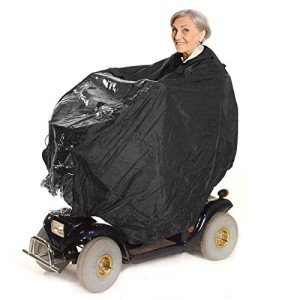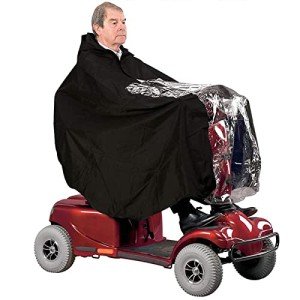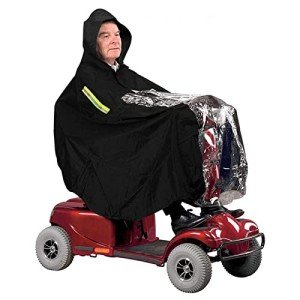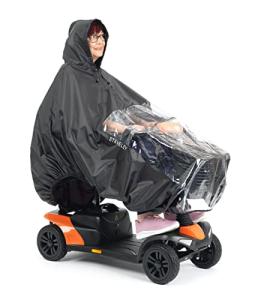





Navigating the outdoors provides a sense of freedom and independence for individuals using wheelchairs and mobility scooters. However, the unpredictability of the weather can often pose a significant challenge. For those with limited mobility, getting caught in a sudden downpour or facing a biting wind isn’t just an inconvenience—it can lead to health risks, discomfort, and potential damage to expensive mobility equipment.
The windproof and waterproof cape has emerged as an essential accessory for year-round mobility. Unlike standard raincoats, these specialized garments are engineered to accommodate the unique ergonomics of seated travel, ensuring that both the user and their vehicle remain protected. This guide explores the features, benefits, and technical considerations of high-quality mobility capes.
Understanding the Design of Mobility Capes
A specialized mobility cape is far more than a simple oversized poncho. Its design is dictated by the need to cover the user from head to toe while simultaneously shielding the controls and seat of the wheelchair or scooter.
Key Anatomical Features
- Front Apron: A long front section that drapes over the lap and legs, often extending down to the footrests to prevent water from pooling in the lap.
- Rear Drape: For manual wheelchairs, the back is often shorter to prevent interference with the wheels. For scooters, the back may be longer to cover the entire seat back.
- Clear Viewing Panels: Many scooter capes feature a transparent window at the front. This allows the user to see the dashboard, battery indicators, and controls while keeping their hands dry.
- Elasticated Hems: These ensure the cape fits snugly around the base of the vehicle, preventing the wind from lifting the fabric.
Technical Specifications: Materials and Durability
When selecting a cape, the material composition is the most critical factor in determining how well it will perform in harsh conditions. Most high-end capes utilize synthetic fabrics treated with specialized coatings.
Fabric Comparison Table
| Feature | PVC (Polyvinyl Chloride) | Nylon with PU Coating | Gore-Tex / Breathable Laminates |
|---|---|---|---|
| Waterproofing | Excellent | Very Good | Excellent |
| Durability | High (Heavyweight) | Moderate | High |
| Breathability | Zero | Low | High |
| Flexibility | Rigid, can crack in cold | Flexible and light | Very flexible |
| Best For | Heavy rain/Stationary use | Everyday showers | Long-term use / Active users |
The Importance of Seam Sealing
Even the most waterproof fabric will fail if the seams are not protected. Quality capes feature "taped seams," where a waterproof strip is heat-sealed over the stitching. This prevents water from "wicking" through the needle holes, ensuring the user stays dry even during prolonged exposure.
Benefits of Using a Windproof and Waterproof Cape
The advantages of investing in a purpose-built cape extend beyond simply staying dry. It is a matter of safety, health, and equipment longevity.
- Protection of Electronics: Mobility scooters and electric wheelchairs have sensitive electronic components in their tillers and joysticks. A waterproof cape acts as a shield, preventing moisture from causing short circuits or long-term corrosion.
- Temperature Regulation: Windproof fabrics prevent "wind chill," which is particularly important for individuals with circulation issues. By blocking the wind, the cape helps retain the user's natural body heat.
- Ease of Use: Most capes are designed with "easy-pull" zippers or Hook-and-Loop (Velcro) fasteners, allowing individuals with limited manual dexterity to put them on or take them off with minimal assistance.
- Improved Visibility: Manufacturers often include reflective piping or strips. Given that rain often results in low-light conditions, these safety features make the user more visible to motorists and pedestrians.
Choosing the Right Cape: Wheelchair vs. Scooter
While some capes are marketed as "universal," there are distinct differences between models designed for manual wheelchairs and those intended for large mobility scooters.
Comparison of Cape Types
| Requirement | Manual Wheelchair Cape | Mobility Scooter Cape |
|---|---|---|
| Length | Medium (to avoid wheels) | Extra Long (to cover tiller/feet) |
| Control Access | Side slits for arm movement | Clear front window for dashboard |
| Back Design | Cut out for pushing handles | Full wrap-around for the high-back seat |
| Snugness | High (to prevent wheel fouling) | Moderate (to allow for steering) |
Safety Considerations and Best Practices
While a cape is a protective tool, it must be used correctly to ensure safety.
- Avoid Wheel Entanglement: Users of manual wheelchairs must ensure that the excess fabric of the cape does not hang too low near the spokes. Choosing a model with elasticated edges can mitigate this risk.
- Maintain Peripheral Vision: Hoods should be adjustable. A hood that is too large may slip down, obstructing the user's view while they are moving through traffic or navigating curbs.
- Ventilation: Because waterproof materials can trap heat, it is important to occasionally vent the cape if the rain stops, preventing the buildup of condensation (clammyness) on the inside.
Maintenance and Long-Term Care
To ensure the cape remains waterproof and windproof for years, proper maintenance is required.
- Drying: Never fold a wet cape and store it away. This leads to mold and the degradation of the waterproof coating. Always hang it to air dry in a well-ventilated area.
- Cleaning: Most capes should be wiped down with a damp cloth and mild soap. Avoid harsh detergents or machine washing unless explicitly stated by the manufacturer, as this can strip the Durable Water Repellent (DWR) finish.
- Re-Proofing: Over time, the outer layer may begin to "wet out" (absorb water rather than beading it off). When this happens, a spray-on waterproofing treatment can restore the fabric's performance.
Frequently Asked Questions (FAQ)
1. Are these capes one-size-fits-all?
Most mobility capes are designed with a generous "universal" fit. However, "Small/Medium" and "Large/Extra Large" options are often available. It is important to check the length measurements, especially for taller individuals or those with extra-large scooters.
2. Can I use a standard rain poncho instead?
While possible, it is not recommended. Standard ponchos are not shaped for a seated position; they are often too short in the front (leaving legs exposed) and too long in the back (getting caught in wheels or the motor). They also lack the clear panels needed to see scooter controls.
3. Is the fabric breathable?
Most basic capes focus on maximum waterproofing and are not highly breathable. If you live in a warmer climate with frequent rain, look for "breathable laminates" or capes with built-in back vents to allow airflow without letting water in.
4. Will the wind blow the cape off?
High-quality capes include features like waist ties, elasticated hems, or weighted bottoms to keep the fabric in place. For scooter users, the cape usually loops over the tiller and the back of the seat, creating a secure "tent" over the user.
5. How do I know if a cape is truly windproof?
Any fabric that is waterproof (like PVC or treated Nylon) is inherently windproof because the weave or coating is tight enough to block air molecules. The "windproof" quality also refers to the design—ensuring there are no large gaps where the wind can enter and chill the user.
A windproof and waterproof cape is a vital investment for anyone relying on a wheelchair or scooter for daily mobility. By choosing a garment specifically designed for the ergonomics of a mobility vehicle, users can maintain their independence regardless of the forecast. When selecting a cape, prioritize seam-sealed fabrics, reflective safety features, and a design that protects both the individual and the vehicle’s electronics. With the right protection, the outdoors remains accessible every day of the year.