If you're looking for a mobility scooter that's easy to maneuver and perfect for tight spaces, 3-wheeled options are a great choice. These scooters offer a compact design without sacrificing comfort or stability. You’ll find a variety of models with features that cater to your needs, making everyday adventures a breeze.
3 Wheeled Mobility Scooters
Experience effortless mobility and stability with our selection of three wheeled scooters designed for comfort and convenience
Product List
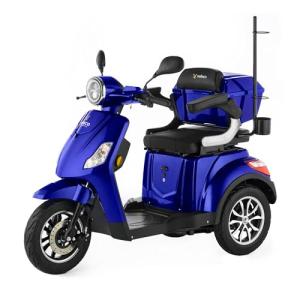

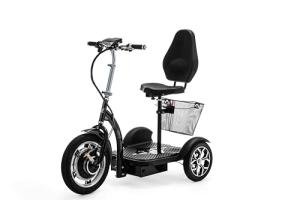

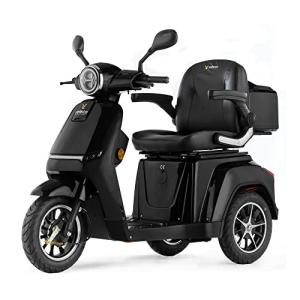
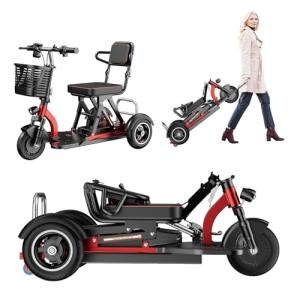
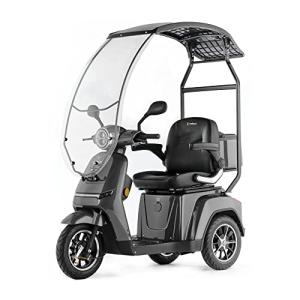
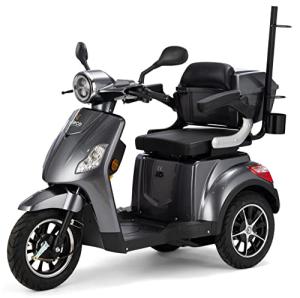
Mobility scooters have revolutionized the way individuals with limited mobility navigate their surroundings. Among the various designs available, three-wheeled mobility scooters stand out for their unique blend of agility, compactness, and ease of use. This in-depth blog post aims to provide comprehensive insights into three-wheeled mobility scooters—overviewing their features, benefits, types, and essential buying considerations.
What is a Three-Wheeled Mobility Scooter?
Three-wheeled mobility scooters are personal transportation devices equipped with three wheels. They offer stability while allowing for impressive maneuverability in tight spaces, making them an attractive choice for those who may have difficulty walking but wish to maintain their independence and freedom of movement.
Benefits of Three-Wheeled Mobility Scooters
Three-wheeled mobility scooters offer numerous advantages, making them a suitable option for many users. Below are some benefits that highlight their strengths:
1. Maneuverability
- Tight Turns: The design allows for sharper turns and easier navigation in confined spaces.
- Compact Design: Perfect for indoor use, particularly in malls or grocery stores.
2. Lightweight
- Easier to transport and store, which is highly beneficial for users who might need to travel.
3. Affordability
- Generally, three-wheeled models are more affordable compared to their four-wheeled counterparts, making them accessible to a broader range of clientele.
4. Easy to Drive
- Most three-wheeled mobility scooters are straightforward to operate, often featuring simple controls that allow users to gain confidence and independence.
5. Sleek Appearance
- The modern design provides an aesthetic appeal, often preferred by users who wish to maintain a stylish look on the move.
Types of Three-Wheeled Mobility Scooters
Three-wheeled mobility scooters come in various types to suit different needs and preferences. Here’s a table summarizing the different categories:
| Type | Description | Ideal For |
|---|---|---|
| Travel Scooters | Lightweight and easily collapsible for transportation. | Frequent travelers needing portability. |
| Heavy-Duty Scooters | Built for higher weight capacities, offering durability and stability. | Larger users or those needing extra sturdiness. |
| Sport Scooters | Designed for outdoor activities with faster speed and off-road capabilities. | Adventurers looking for rugged terrain use. |
| Luxury Scooters | High-end models with advanced features like comfortable seating and extended range. | Users prioritizing comfort and features. |
Key Features to Consider
When choosing a three-wheeled mobility scooter, several essential features should be taken into account:
- Weight Capacity: Ensure the scooter can support the user’s weight and provides stability.
- Battery Range: Assess how far the scooter can travel on a single charge, especially for daily use.
- Speed: Look for a scooter with an adequate speed that meets local regulations while ensuring safety.
- Comfort: Check for comfortable seating, adjustable handlebars, and ample legroom.
- Storage Options: Consider if additional storage, such as baskets or cargo trays, is needed for personal items.
- Braking System: Make sure the scooter has a reliable braking system for safety.
Frequently Asked Questions (FAQs)
1. Are three-wheeled mobility scooters safe to use?
- Yes, they are equipped with safety features such as lights, mirrors, and reliable braking systems. However, users must exercise caution while navigating uneven terrain or steep inclines.
2. Can I use a three-wheeled mobility scooter on public transportation?
- Most public transportation systems have policies for mobility aids. It’s essential to check your local transport regulations beforehand.
3. What is the average lifespan of a mobility scooter?
- With proper maintenance, the average lifespan of a mobility scooter can range from 3 to 5 years, depending on usage and care.
4. Are there maintenance requirements for mobility scooters?
- Regular checks on battery life, tire pressure, and overall functionality are advised. Follow the manufacturer's guidelines for specific maintenance needs.
5. Do I need insurance for a mobility scooter?
- While not typically required, obtaining insurance may be a good option to protect against theft or damage. It is recommended to consult with insurance providers for options.
Three-wheeled mobility scooters are an excellent choice for those seeking independence and mobility. Their unique design and adaptability allow users to navigate both indoor and outdoor environments efficiently. By understanding the benefits, types, and features, as well as addressing common queries, potential buyers can make more informed choices.
Regardless of the model one chooses, the primary goal remains clear: to enhance mobility, comfort, and independence while navigating the world effortlessly. Those interested in purchasing a three-wheeled mobility scooter can explore local dealers or online platforms to discover a variety of options that suit their lifestyle and requirements.