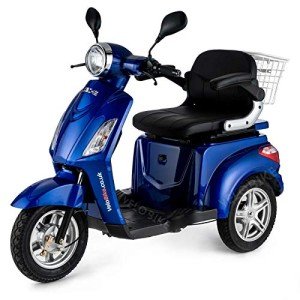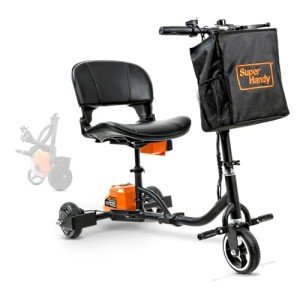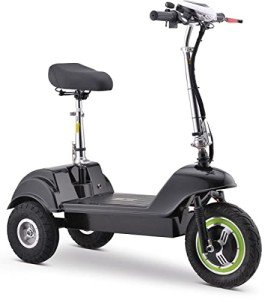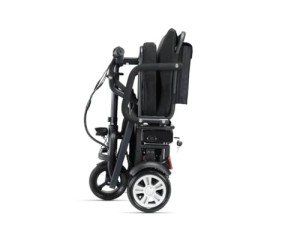


Independence and mobility are fundamental components of a high-quality life, especially for individuals facing mobility challenges due to age, injury, or chronic health conditions. In recent years, the mobility aid market has seen significant technological advancements, leading to the development of highly efficient 3-wheel mobility scooters. These devices, particularly those equipped with removable batteries and value-added extras, have become a preferred choice for users seeking a balance between maneuverability, convenience, and comfort.
This post explores the intricacies of 3-wheel mobility scooters, highlighting the benefits of their design, the revolutionary nature of removable batteries, and the essential extras that enhance the daily user experience.
The Design Advantage: Why Three Wheels?
When selecting a mobility scooter, the choice between a three-wheel and a four-wheel configuration is often the first decision a user must make. The 3-wheel design offers specific architectural advantages that cater to particular environments.
Enhanced Maneuverability
The primary benefit of a 3-wheel scooter is its superior turning radius. Because the front of the vehicle converges on a single wheel, it can pivot much more sharply than its 4-wheel counterparts. This makes it an ideal choice for indoor use, navigating narrow hallways, crowded supermarkets, or tight apartment spaces.
Legroom and Ergonomics
3-wheel scooters often provide more legroom for the user. With no front wheel wells on the sides, individuals who are taller or those who experience joint stiffness can stretch their legs more comfortably. This ergonomic advantage reduces fatigue during extended periods of use.
Portability and Weight
Generally, 3-wheel models are lighter than 4-wheel models. This weight reduction is crucial for users who frequently transport their scooters in vehicles or for caregivers who must lift the device into a trunk.
The Convenience of Removable Battery Systems
Perhaps the most significant innovation in modern mobility aids is the transition from fixed to removable battery systems. This feature serves as a cornerstone for convenience and flexibility.
Off-Board Charging Capabilities
In traditional models, the entire scooter must be parked near a power outlet to charge. With a removable battery, the user can leave the scooter in a garage, a hallway, or even in the trunk of a car, while bringing only the battery pack inside to charge at a standard wall outlet. This is particularly beneficial for those living in multi-story buildings or homes with limited entryway space.
Airline Compliance and Travel
Many 3-wheel scooters with removable batteries use lithium-ion or sealed lead-acid (SLA) packs designed for travel. Removable batteries allow users to check the scooter frame as luggage while carrying the battery pack into the cabin (subject to airline regulations), ensuring the power source remains safe and temperature-controlled.
Extended Range Options
Users who require longer travel distances often purchase a second removable battery. Swapping a depleted battery for a fully charged one takes mere seconds, effectively doubling the range of the scooter without the need for a mid-day charging halt.
Technical Specifications Comparison
To better understand the capabilities of these devices, the following table compares a standard entry-level 3-wheel scooter with a premium model featuring a removable battery and extra accessories.
| Feature | Standard 3-Wheel Scooter | Premium 3-Wheel Scooter |
|---|---|---|
| Weight Capacity | 250 lbs (113 kg) | 325 - 400 lbs (147 - 181 kg) |
| Maximum Speed | 4 mph (6.4 km/h) | 5 - 6 mph (8 - 9.6 km/h) |
| Operating Range | 6 - 8 miles | 12 - 18 miles |
| Turning Radius | 33 - 35 inches | 30 - 32 inches |
| Battery Type | Fixed SLA | Removable Lithium-Ion/SLA |
| Ground Clearance | 1.5 - 2 inches | 2.5 - 4 inches |
| Included Extras | Front Basket | Basket, Lights, USB Port, Storage |
Essential "Extras" That Elevate the Experience
A mobility scooter is more than just a frame and a motor; it is a daily companion. The "extras" or accessories included with premium models significantly impact safety, storage, and long-term satisfaction.
Advanced Lighting Packages
Safety is paramount, especially for users who navigate outdoors during dusk or dawn. High-intensity LED headlights, rear taillights, and turn signals ensure the user is visible to pedestrians and motorists while illuminating potential hazards on the path ahead.
Storage Solutions
Beyond the standard front basket, many scooters now come with:
- Under-seat storage: For securing valuables like wallets or smartphones.
- Rear-mounted crates: Ideal for grocery shopping.
- Oxygen tank holders: Specific attachments for medical necessity.
Comfort and Customization
- Swivel Seats: A seat that rotates 90 to 180 degrees allows the user to get on and off the scooter with minimal physical strain.
- Adjustable Armrests: Armrests that flip up or adjust in width accommodate different body types and facilitate side transfers.
- USB Charging Ports: Modern scooters often feature a built-in USB port to charge mobile devices on the go, ensuring the user is never disconnected from help or family.
A Checklist for Choosing the Right Model
When evaluating a 3-wheel mobility scooter with a removable battery, interested parties should consider the following factors:
- Primary Environment: Will the scooter be used mostly indoors (narrow turns) or outdoors (uneven pavement)?
- Terrain Requirements: Ensure the tire type (solid vs. pneumatic) matches the intended surface.
- Weight Limit: Always select a model with a capacity that exceeds the user’s weight to ensure motor longevity.
- Ease of Disassembly: If the scooter needs to be transported frequently, check if it features "feather-touch" disassembly.
- Battery Chemistry: Lithium-ion batteries are lighter and last longer but are more expensive than SLA batteries.
- Warranty and Support: Confirm the availability of local repair services and the length of the warranty on the frame, motor, and electronics.
Maintenance and Longevity Tips
To ensure a 3-wheel mobility scooter remains a reliable asset, consistent maintenance is required.
- Battery Care: Never let a battery sit completely depleted for long periods. Charge the battery after every significant use.
- Tire Inspection: Regularly check for wear and tear. Solid tires can develop flat spots, while pneumatic tires require correct air pressure.
- Cleaning: Keep the floorboard and motor housing free of debris, salt, and moisture to prevent corrosion.
- Hardware Check: Periodically tighten any bolts or fasteners that may have loosened due to vibration during travel.
The 3-wheel mobility scooter with a removable battery represents a pinnacle of user-centric design in the mobility industry. By offering the agility needed for indoor navigation combined with the modern convenience of off-board charging, these devices empower users to maintain their daily routines with confidence. When bolstered by essential extras like LED lighting and ergonomic seating, these scooters transform from simple pieces of equipment into indispensable tools for independence.
Frequently Asked Questions (FAQ)
1. Are 3-wheel scooters stable enough for outdoor use?
While 3-wheel scooters are exceptionally stable on flat, paved surfaces like sidewalks and malls, they are generally less stable on steep inclines or very uneven terrain compared to 4-wheel models. Users should exercise caution when navigating curbs or side-slopes.
2. Can the removable battery be charged while still on the scooter?
Yes, most models allow for both on-board and off-board charging. The user can plug the charger directly into the tiller (handlebars) or remove the battery pack and charge it separately.
3. How long does it take to fully charge a removable battery?
Charging times vary depending on the battery capacity and the type of charger used. Generally, a full charge takes between 6 and 10 hours. It is often recommended to charge the battery overnight.
4. Do these scooters require a driver’s license?
In most jurisdictions, mobility scooters are classified as medical devices rather than motor vehicles and do not require a driver’s license, registration, or insurance. However, users should always check local municipal regulations.
5. Can a 3-wheel scooter fit in a standard car trunk?
Most 3-wheel mobility scooters are designed to be disassembled into 4 or 5 lightweight pieces. Once disassembled, they can typically fit into the trunk of a standard sedan or the cargo area of an SUV.