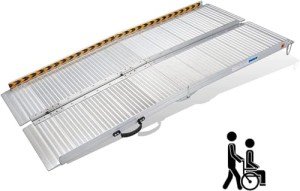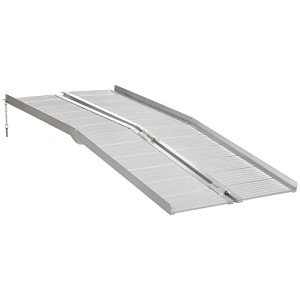





For individuals with limited mobility, the home should be a sanctuary of comfort and independence. However, architectural barriers such as single steps, raised thresholds, or porch entries can present significant challenges. One of the most effective and versatile solutions to these obstacles is the 4FT foldable aluminum wheelchair ramp. This tool provides a bridge between different elevations, ensuring that wheelchair users, those using walkers, and caregivers can navigate the home environment safely and with ease.
This guide explores the technical specifications, benefits, safety considerations, and practical applications of the 4FT foldable aluminum ramp, providing a detailed look at why this specific size and material are often the ideal choice for residential use.
The Importance of Material: Why Aluminum?
When selecting a mobility ramp, the material used in construction is a critical factor. Aluminum is the industry standard for portable ramps for several reasons. Unlike wood, which can rot or warp when exposed to the elements, or steel, which is prone to rust and is significantly heavier, aluminum offers a unique balance of strength and portability.
Durability and Weather Resistance
Aluminum naturally forms a protective oxide layer, making it highly resistant to corrosion. This is particularly important for home ramps that may be used outdoors or stored in damp garages. A high-quality aluminum ramp can withstand rain, snow, and UV exposure without compromising its structural integrity.
Weight-to-Strength Ratio
Despite being lightweight enough for one person to carry, a 4FT aluminum ramp is engineered to support significant weight capacities, often ranging from 600 to 800 pounds. This allows the ramp to accommodate not only the user and a manual wheelchair but also heavy power wheelchairs and scooters.
Technical Specifications: A Closer Look
Understanding the physical properties of a 4FT foldable ramp helps homeowners determine if it fits their specific architectural needs. Below is a summary of the typical specifications found in high-grade aluminum models.
Table 1: Standard Specifications for a 4FT Foldable Aluminum Ramp
| Feature | Specification Details |
|---|---|
| Length | 4 Feet (48 Inches) |
| Width (Unfolded) | 28 to 31 Inches (Standard door width compatibility) |
| Material | High-strength Grade 6061 or 6063 Aluminum |
| Weight Capacity | 600 lbs - 800 lbs |
| Unfolded Weight | Approximately 20 - 25 lbs |
| Folding Mechanism | Center-fold (Suitcase style) with carrying handle |
| Surface Texture | High-traction grit or perforated non-slip ridges |
| Safety Edges | 2-inch protruding side curbs |
Key Features of the 4FT Foldable Design
The "foldable" aspect of this ramp is what distinguishes it from permanent modular systems. Most 4FT models utilize a longitudinal fold, meaning the ramp folds in half lengthwise.
1. Portability and Storage
When folded, the 4FT ramp typically resembles a large suitcase. Many models include a built-in handle, allowing caregivers or users to transport the ramp in a vehicle or move it from the front porch to a side entrance. Its compact size makes it easy to store in a closet or under a bed when not in use.
2. High-Traction Surfaces
Safety is paramount when navigating an incline. These ramps are usually treated with a "gritted" surface (similar to sandpaper) or feature extruded aluminum ridges. These textures provide the necessary friction for wheelchair tires to grip the surface, even in wet or misty conditions.
3. Transition Plates
At both the top and bottom of the ramp, engineers include "transition plates." These are angled flaps that ensure a smooth transfer from the ground to the ramp and from the ramp to the landing. Without these, a small "bump" would exist, which could cause a wheelchair to tip or a person using a walker to trip.
Calculating the Correct Incline
One of the most common mistakes in home accessibility is choosing a ramp that is too short for the required rise. The length of the ramp determines the steepness of the slope. While the Americans with Disabilities Act (ADA) recommends a 1:12 slope for commercial buildings (1 foot of ramp for every 1 inch of rise), residential settings and portable ramps often use a slightly steeper gradient.
Table 2: Recommended Rise Heights for a 4FT Ramp
| Type of Use | Maximum Recommended Rise (Height of Step) | Degree of Incline |
|---|---|---|
| Independent Manual Use | 4 Inches | 4.8 degrees |
| Assisted Manual Use | 8 Inches | 9.6 degrees |
| Power Chair / Scooter | 8 - 10 Inches | 12.0 degrees |
| Maximum (Not Recommended) | 12 Inches | 14.5 degrees |
Note: For safety, a 4FT ramp should generally not be used for a rise higher than 8 inches for manual wheelchairs, as the incline becomes too steep for safe navigation.
Essential Safety Considerations
While the 4FT foldable aluminum ramp is designed for ease of use, following safety protocols is essential to prevent accidents.
Safety Checklist:
- Weight Limits: Always verify that the combined weight of the user and the mobility device does not exceed the ramp's rated capacity.
- Surface Stability: Ensure the ground at the base and the landing at the top are firm and level. Placing a ramp on soft mud or uneven gravel can cause the ramp to shift during use.
- Locking Pins: Many foldable ramps come with safety pins that lock the ramp in its unfolded position. These should always be engaged before use.
- Side Curbs: Check that the ramp has raised side edges. These "curbs" prevent the wheels of a wheelchair from accidentally rolling off the side of the ramp.
- Maintenance: Periodically check the hinges and rivets for signs of wear. Keep the surface clean of debris, ice, and oil to maintain traction.
Practical Applications in the Home Environment
The 4FT length is often considered a "mid-range" portable ramp. It is longer than a threshold ramp but more compact than a full-scale 10FT modular system. This makes it ideal for several specific scenarios.
Single or Double Steps
Most standard home steps are between 6 and 7 inches high. A 4FT ramp handles a single step with a very gentle slope and can tackle a double step (approx. 12-14 inches) only if the user is in a powered device or has a very strong assistant, though a longer ramp is usually preferred for a 14-inch rise.
SUV and Minivan Access
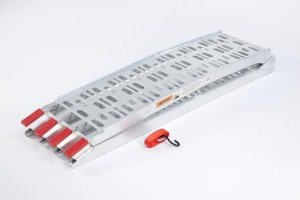
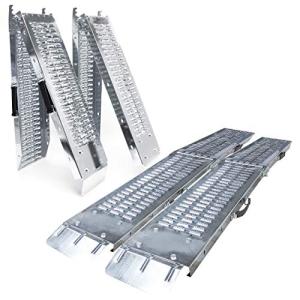
For families who travel, the 4FT foldable ramp is a popular choice for loading wheelchairs or scooters into the back of a vehicle. The 4FT length provides enough reach to clear the bumper of most standard SUVs and minivans without taking up the entire interior space when folded.
Temporary Barriers
If a home is undergoing renovations or if a user is visiting a relative’s house, these ramps provide a temporary solution that requires no drilling or permanent modification to the property.
Frequently Asked Questions (FAQ)
Q: Can the 4FT aluminum ramp be left outside permanently?A: Since it is made of aluminum, it is resistant to rust and can stay outside. However, to extend the life of the high-traction surface and the hinges, it is recommended to store it in a dry area when not in use for long periods.
Q: Is the ramp wide enough for all wheelchairs?A: Most 4FT ramps are approximately 30 inches wide. This accommodates almost all standard manual and power wheelchairs. However, "bariatric" or extra-wide wheelchairs should be measured before purchase to ensure they fit between the side curbs.
Q: Does it require assembly?A: Most foldable aluminum ramps come fully assembled. The user simply needs to unpack it, unfold it, and ensure the safety pins (if included) are in place.
Q: Can this ramp be used for walking?A: Yes. Because of the high-traction surface, these ramps are safe for individuals using walkers or canes. However, users should walk in the center of the ramp and use caution in wet weather.
Q: How do I clean the ramp?A: A simple solution of soap and water with a stiff brush is usually sufficient. Avoid using wax or oil-based cleaners, as these can make the surface slippery.
The 4FT foldable aluminum wheelchair ramp represents a vital point of intersection between portability and functionality. For homeowners looking to improve accessibility without the cost and permanence of a custom-built wooden ramp, it offers a reliable, weather-resistant, and high-strength alternative. By understanding the limitations of the incline and adhering to weight capacities, users can significantly enhance their mobility and maintain their independence within their own homes. Whether used for a single entryway step or for a vehicle, this tool is an investment in safety and accessibility.