




In the modern world, accessibility and ease of movement are fundamental requirements for both residential and commercial infrastructure. Whether it is ensuring that a person using a wheelchair can navigate a set of stairs or helping a cyclist load a heavy e-bike into a van, the tools used for these tasks must be reliable, portable, and durable. Among the various solutions available, the aluminium telescopic ramp stands out as one of the most versatile and efficient inventions in the mobility sector.
This guide provides an in-depth look at aluminium telescopic ramps, exploring their design, benefits, application in different scenarios, and how to choose the right model for specific needs.
What is an Aluminium Telescopic Ramp?
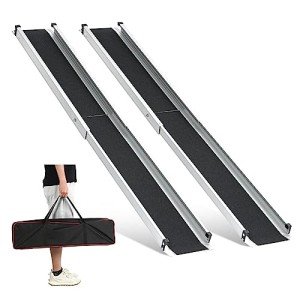
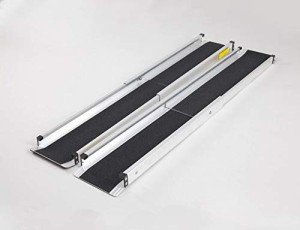
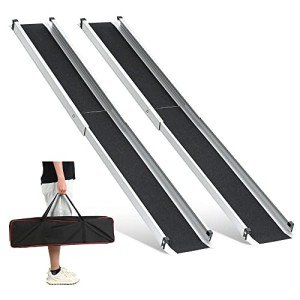
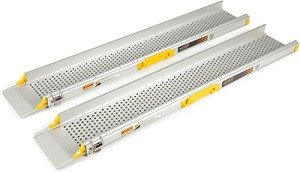
A telescopic ramp is a retractable track system designed to bridge the gap between different elevations. Unlike fixed ramps, which are permanently installed, or simple folding ramps, telescopic models feature sections that slide into one another. This "telescoping" action allows the user to adjust the length of the ramp precisely to the height of the obstacle.
Fabricated primarily from high-grade aluminium, these ramps are engineered to offer a high strength-to-weight ratio. This makes them light enough for a single person to carry while being strong enough to support hundreds of kilograms.
Key Features and Benefits
The popularity of aluminium telescopic ramps is attributed to several core design features that prioritize safety and user convenience.
1. Adjustable Length
The primary advantage is adjustability. A single pair of ramps can be used for a low curb at one moment and a higher vehicle entry the next. This flexibility eliminates the need for multiple ramps of different sizes.
2. Lightweight Portability
Aluminium is significantly lighter than steel. Most telescopic ramps feature integrated locking mechanisms that keep the sections together during transport, and many models include ergonomic carrying handles.
3. High Load Capacity
Despite their light weight, these ramps are designed to handle heavy loads. Most standard models can support between 200kg and 300kg, which is more than sufficient for manual wheelchairs, power chairs, and heavy electric bicycles.
4. Safety Surfaces
To prevent accidents, especially in wet or icy conditions, the surface of these ramps is typically treated. Common surfaces include:
- Serrated treads: Metal ridges that provide mechanical grip.
- Grit coating: An abrasive, sandpaper-like finish for maximum friction.
- Raised side rails: Also known as "curbs," these prevent wheels from slipping off the edge.
Technical Specifications: A Comparative Overview
When selecting a ramp, understanding the technical specifications is crucial. The following table outlines the typical specifications for standard aluminium telescopic ramps.
| Feature | Standard Model Specs | Heavy-Duty Model Specs |
|---|---|---|
| Material | Anodized Aluminium | Aircraft-grade 6061 Aluminium |
| Max Extended Length | 150 cm - 210 cm | 240 cm - 300 cm |
| Retracted Length | 90 cm - 120 cm | 130 cm - 150 cm |
| Weight (per pair) | 6 kg - 9 kg | 10 kg - 15 kg |
| Weight Capacity | 200 kg | 350 kg+ |
| Track Width | 15 cm - 19 cm | 20 cm - 25 cm |
Dual Utility: Wheelchairs vs. Bicycles
While often marketed for mobility aids, telescopic ramps have gained significant traction in the cycling community.
For Wheelchair Users
For individuals with limited mobility, a telescopic ramp provides independence. They are particularly useful for:
- Vehicle Access: Enabling easy entry into the side or rear of a car or SUV.
- Threshold Navigation: Overcoming high door sills or single steps in older buildings.
- Travel: Their compact size allows them to be stored in the trunk of a car, ensuring accessibility is available wherever the user goes.
For Bicycles and E-Bikes
The rise of electric bicycles (e-bikes) has created a new demand for ramps. E-bikes often weigh between 20kg and 30kg, making it difficult for many people to lift them onto bike racks or into trucks.
- Ease of Loading: Because these ramps consist of two separate tracks, one track can be used to roll a bicycle up into a van or onto a high-clearance rack.
- Stability: The narrow track of a telescopic ramp is perfectly suited for bicycle tires, ensuring the bike stays on a straight path during the incline.
Choosing the Right Ramp: The Slope Factor
One of the most common mistakes when purchasing a ramp is selecting one that is too short for the required rise. A ramp that is too short creates a steep gradient, which can be dangerous for wheelchair users and difficult for loading bicycles.
Calculating the Gradient
Accessibility standards (such as the ADA in the US or similar guidelines in the UK) often suggest a 1:12 ratio for independent wheelchair use (1 inch of rise for every 12 inches of ramp). For assisted use or loading equipment, a steeper 1:6 or 1:8 ratio may be acceptable.
Recommended Length Table based on Rise Height:
| Rise Height (cm) | Ideal Ramp Length (1:12 Ratio) | Acceptable Length (1:6 Ratio) |
|---|---|---|
| 10 cm | 120 cm | 60 cm |
| 20 cm | 240 cm | 120 cm |
| 30 cm | 360 cm | 180 cm |
| 45 cm | 540 cm (Modular required) | 270 cm |
Comparing Ramp Types
It is helpful to see how telescopic ramps compare to other portable options on the market.
| Ramp Type | Best Portability | Best for Permanent Use | Adjustable Length | Width |
|---|---|---|---|---|
| Telescopic | High | No | Yes | Narrow (Dual Track) |
| Suitcase (Folding) | Medium | No | No | Full Width (Single Surface) |
| Threshold | Low | Yes | No | Full Width |
| Roll-up | High | No | Partially | Full Width |
Safety and Maintenance Recommendations
To ensure the longevity of an aluminium telescopic ramp and the safety of its users, certain maintenance routines should be followed:
- Check the Locks: Before applying weight, always ensure the spring-loaded pins or locking clips are fully engaged in the desired length setting.
- Clean the Tracks: Debris, sand, or mud can get trapped in the sliding mechanism. Periodically wipe the inner tracks with a damp cloth.
- Inspect Glide Pads: Many high-quality ramps have plastic glides between the aluminium sections to prevent metal-on-metal friction. These should be checked for wear.
- Surface Integrity: Ensure the anti-slip surface is not peeling or worn smooth. If using a grit-tape surface, it can often be replaced if it becomes ineffective.
Frequently Asked Questions (FAQ)
1. Can a telescopic ramp be used for a three-wheeled scooter?
Generally, no. Telescopic ramps consist of two separate tracks. Three-wheeled scooters require a center path for the front wheel. For those devices, a wide "suitcase" or "platform" ramp is recommended.
2. Is aluminium better than steel for these ramps?
For portability, yes. Aluminium does not rust and is much lighter. Steel is only preferred in permanent, heavy-industrial settings where weight is not a concern.
3. Can I use just one of the tracks for my bicycle?
Yes. One of the benefits of a twin-track system is that you can use a single track to roll a bicycle or a motorcycle up a slope, provided the tire width fits within the ramp's channel.
4. How do I know if the ramp will fit in my car?
Measure the "retracted" or "closed" length of the ramp. Most telescopic ramps retract to roughly half their total length, making them easy to fit in the boot (trunk) or behind the front seats of most vehicles.
5. Are these ramps weather-proof?
Aluminium is naturally resistant to corrosion. However, the locking pins and hardware should be kept dry when stored to prevent any stiffness over time.
The aluminium telescopic ramp is a masterpiece of functional engineering. By combining the lightweight properties of aluminium with a space-saving retractable design, it provides an essential service for a wide range of users. Whether it is removing barriers for those in wheelchairs or simplifying the logistics of transporting high-end bicycles, these ramps offer a reliable, safe, and professional solution.
When choosing a ramp, users should always prioritize the height of the rise and the weight of the load to ensure they select a model that provides a safe and manageable gradient. With proper care and selection, an aluminium telescopic ramp can provide years of enhanced mobility and convenience.