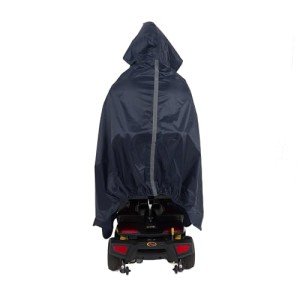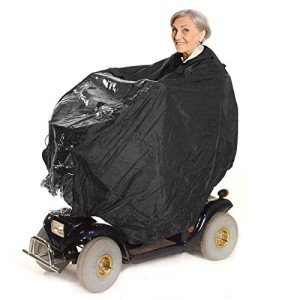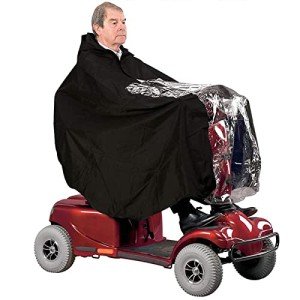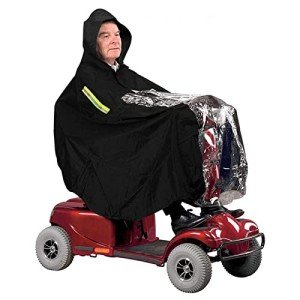

For individuals who rely on mobility scooters for daily transportation and independence, weather variability represents one of the most significant challenges. Unlike car drivers who are shielded by a metal frame and glass, or pedestrians who can easily duck into storefronts, scooter riders are often exposed to the wind, rain, and cold. Among the various solutions developed to mitigate these environmental challenges, the blue poncho has emerged as a staple accessory.
Combining functionality, safety, and a classic aesthetic, the blue poncho for mobility scooter riders is designed to provide comprehensive coverage for both the individual and the vehicle. This guide explores the technical specifications, benefits, and considerations involved in choosing the ideal blue poncho for outdoor mobility.
The Design Philosophy of a Scooter Poncho
A mobility scooter poncho differs significantly from a standard rain jacket or a hiking cape. The primary design goal is "total enclosure." Because a rider remains in a seated position, water tends to pool in the lap or seep into the gap between the seat and the backrest. Furthermore, the electronic tiller (the steering console) is highly sensitive to moisture.
Key Functional Features
A high-quality blue poncho usually incorporates several specific design elements:
- Full Front Drape: The front section is elongated to flow over the tiller and the rider’s knees, ensuring that the control panel remains dry during operation.
- Rear Seat Slots: Many models feature a design that fits over the back of the seat, preventing rain from running down the rider's neck and into the seat cushions.
- Elasticated Hems: These prevent the fabric from flapping in the wind or becoming entangled in the wheels.
- Clear Tiller Windows: Some premium versions include a transparent panel at the front so the rider can still see the battery gauges and speed controls while protected.
Why the Color Blue?
While functionality is paramount, the choice of color plays a vital role in the user experience. Blue is consistently one of the most popular choices for mobility accessories for several reasons:
- Visibility and Safety: While not as glaring as "high-vis" neon yellow or orange, certain shades of blue—particularly royal blue—provide excellent contrast against grey asphalt and concrete. This helps motorists see the rider in overcast conditions without the "industrial" look of emergency gear.
- Psychological Comfort: Color psychology suggests that blue evokes feelings of calm and reliability. For a rider navigating a stressful downpour, a calming color can provide a subtle sense of composure.
- Professionalism and Versatility: Navy or dark blue ponchos offer a discreet, sophisticated look that transitions well from a trip to the grocery store to a clinical appointment or a social gathering.
Material Considerations: Durability Meets Comfort
The effectiveness of a poncho is dictated by its material composition. Most modern blue ponchos use synthetic fabrics treated with waterproofing agents.
Comparison of Common Materials
The following table outlines the differences between the materials typically used in the manufacturing of mobility scooter ponchos:
| Material Type | Waterproof Rating | Breathability | Durability | Best For... |
|---|---|---|---|---|
| PVC (Vinyl) | Excellent | Low | Moderate | Budget-conscious users; heavy downpours. |
| Nylon (PU Coated) | High | Moderate | High | Frequent use; long-lasting protection. |
| Polyester (DWR) | Moderate | High | Moderate | Light rain; users who overheat easily. |
| Gore-Tex / Technical | Exceptional | Exceptional | Very High | All-weather enthusiasts; premium budgets. |
The Benefits of Using a Blue Poncho
Investing in a specialized poncho offers more than just dryness; it preserves the longevity of the mobility scooter and the health of the rider.
Protection of Electronics
The tiller of a mobility scooter contains the "brain" of the vehicle. Exposure to heavy rain can lead to short circuits, corrosion of contact points, and expensive repair bills. A blue poncho acts as a primary shield, extending the lifespan of the vehicle's electronic components.
Health and Thermal Regulation
Staying dry is essential for preventing hypothermia and skin irritation. For riders with certain medical conditions, such as arthritis or circulation issues, cold and dampness can exacerbate pain. A poncho creates a micro-climate of trapped air that provides a secondary layer of warmth.
Preservation of Independence
The fear of getting caught in the rain can lead to "social shrinking," where a scooter user chooses to stay home rather than risk the weather. Owning a reliable blue poncho provides the confidence to travel regardless of a shifting forecast, maintaining social connections and errand-running capabilities.
Essential Features Checklist
When selecting a blue poncho, buyers should look for specific secondary features that enhance the user experience.
- Seam Sealing: Ensure the seams are taped or heat-welded. Even the best fabric will leak if the needle holes from the stitching aren't sealed.
- Reflective Strips: Since rain often reduces visibility, reflective piping on the back and sides of the blue fabric is a critical safety addition.
- Hood Adjustability: A drawstring or toggled hood is necessary to keep the hood from blowing off or obstructing the rider's peripheral vision.
- Inner Neck Zip: A short zipper at the neck makes it easier to put the poncho on and take it off over a headrest or bulky clothing.
Safety Guidelines for Poncho Use
Operating a vehicle while wearing a large garment requires caution. Riders should adhere to the following safety tips to ensure the poncho does not interfere with the scooter's operation:
- Check Wheel Clearance: Always ensure the edges of the poncho are tucked in and not dangling near the tires or the wheel arches.
- Maintain Visibility: Ensure the hood does not block the side-view mirrors if the scooter is equipped with them.
- Secure the Front: In high winds, the front of the poncho can lift. Use the elasticated loops often provided to hook the garment under the front fairing.
- Lighting Check: Verify that the poncho does not cover the scooter’s headlights or turn signals during nighttime travel.
Maintenance and Care
To maintain the waterproofing integrity of a blue poncho, proper care is required. Most manufacturers recommend air-drying the garment completely before folding it for storage. If the poncho becomes soiled with road salt or mud, it should be wiped down with a damp cloth and mild soap. Machine washing and drying are generally discouraged as the mechanical agitation and high heat can strip the waterproof coating and damage the seams.
Frequently Asked Questions (FAQ)
1. Is a blue poncho better than a scooter canopy?
A canopy is a permanent or semi-permanent structure attached to the scooter frame. While a canopy offers superior overhead protection, it can make the scooter more susceptible to crosswinds and can be difficult to transport in a car. A blue poncho is portable, lightweight, and can be stored in the seat-back pocket when not in use.
2. What size should a mobility scooter rider choose?
Most scooter ponchos are sold as "Universal Size" or "One Size Fits All." However, users with extra-large bariatric scooters or powerchairs with high-back Captain's seats should verify the dimensions to ensure the rear of the poncho can accommodate the larger seat profile.
3. Can the poncho be used with a front basket?
Yes. Most mobility ponchos are designed to drape over the front basket, keeping the contents of the basket dry along with the rider's legs and the tiller.
4. Will the blue color fade over time?
Like any fabric exposed to the sun (UV rays), some fading may occur over several years. High-quality polyester or nylon fabrics with UV-resistant dyes will maintain their vibrant blue color significantly longer than cheaper PVC alternatives.
5. Does the poncho interfere with the brakes?
No, as long as it is fitted correctly. Mobility scooters generally use electromagnetic braking systems operated via the tiller. Since the poncho covers the tiller externally, it does not interfere with the internal braking mechanisms.
The blue poncho is an indispensable tool for the modern mobility scooter rider. It represents a fusion of practical engineering and thoughtful design, ensuring that rain and wind do not become barriers to autonomy. By choosing a poncho with the right materials, safety features, and fit, riders can continue to navigate their communities with confidence, comfort, and style. Whether it’s a light spring shower or a heavy autumn downpour, the reliable blue poncho stands as a guardian of mobility.