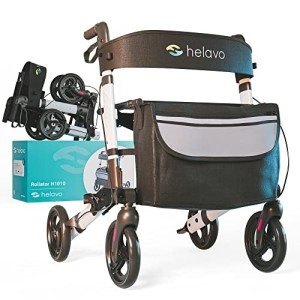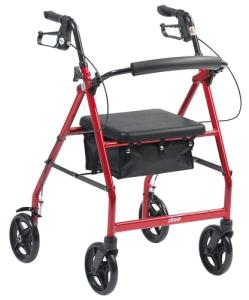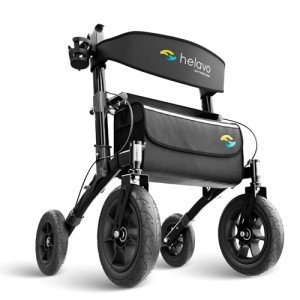





For individuals with limited mobility, whether due to aging, injury, or chronic health conditions, the world can often feel smaller. The simple act of traversing a grocery store or walking through a park can become a daunting task fraught with safety concerns. Mobility aids have evolved significantly over the years, moving beyond the simple cane or the basic silver walker. Leading this evolution is the COSTWAY Folding Mobility Walker with Seat and Storage—a versatile rollator designed to provide stability, comfort, and convenience.
This guide provides a comprehensive exploration of the COSTWAY Mobility Walker, detailing its design, functional benefits, and technical specifications to help users and caregivers make an informed decision.
Understanding the Rollator: More Than Just a Walker
Unlike traditional walkers that must be lifted with every step, a rollator (or wheeled walker) features wheels on all legs. The COSTWAY model is specifically engineered to offer a fluid walking motion that reduces strain on the upper body while providing a secure base of support. By incorporating a built-in seat and a storage compartment, it transforms from a simple walking aid into a mobile resting station.
Key Features at a Glance
The COSTWAY Folding Mobility Walker is defined by several high-quality features that cater to the needs of diverse users:
- Height-Adjustable Handles: Ergonomic grips that can be adjusted to match the user's height, promoting proper posture.
- Padded Seating and Backrest: Provides a comfortable place to rest during long walks.
- Dual Braking System: Hand-operated brakes for slowing down and a locking mechanism for safety while seated.
- Large All-Terrain Wheels: Typically 8-inch wheels designed to navigate both indoor floors and outdoor paths.
- One-Hand Folding Mechanism: Allows for easy transport and compact storage.
- Ample Storage: A detachable bag or under-seat basket for carrying personal items, groceries, or medical supplies.
Technical Specifications
Before purchasing a mobility aid, it is essential to understand the physical dimensions and capacities of the unit. The following table outlines the standard specifications for the COSTWAY Folding Mobility Walker.
| Feature | Specification |
|---|---|
| Material | High-grade Aluminum Alloy |
| Weight Capacity | 300 lbs (Approx. 136 kg) |
| Product Weight | 18 - 20 lbs |
| Wheel Size | 8 inches (PVC or Rubber) |
| Handle Height Range | 31" to 37" (Adjustable) |
| Seat Dimensions | 18" (W) x 10" (D) |
| Folded Dimensions | 33" x 10" x 26" |
| Brake Type | Dual Loop-Lock Hand Brakes |
The Benefits of Choosing a Rollator over a Standard Walker
Choosing the right mobility aid depends on the user’s specific needs for balance and weight-bearing. Below is a comparison of why many choose the COSTWAY rollator over a standard, non-wheeled walker.
| Feature | Standard Walker | COSTWAY Mobility Rollator |
|---|---|---|
| Movement | Must be lifted or slid | Continuous rolling motion |
| Speed | Slow and deliberate | Natural walking pace |
| Fatigue Level | High (due to lifting) | Low (due to wheels and seat) |
| Storage | Rarely included | Built-in bag/basket |
| Seating | None | Integrated padded seat |
| Terrain | Ideal for indoor/flat surfaces | Suitable for grass, gravel, and pavement |
Design and Ergonomics: A Focus on Comfort
One of the standout attributes of the COSTWAY model is its focus on ergonomics. Prolonged use of poorly designed walkers can lead to wrist pain, shoulder strain, and bad posture.
Adjustable Handlebars
The handlebars are designed with a contoured grip that fits the natural shape of the hand. Because the height is adjustable across several levels, users can ensure their elbows are at the correct angle (usually 20-30 degrees), which prevents leaning forward and reduces back pain.
Comfortable Seating
The inclusion of a padded seat is a game-changer for those who suffer from respiratory issues or muscle weakness. Knowing that a seat is always available allows users to travel further distances with the confidence that they can stop and recover at any time. The flip-up backrest provides added lumbar support, ensuring the user doesn't feel unstable while sitting.
The Storage Solution
Managing personal belongings while using a walker can be a safety hazard. Holding a purse or a grocery bag shifts the user's center of gravity. The COSTWAY walker includes a spacious storage bag located either under the seat or on the front frame. This allows for "hands-free" operation, ensuring the user keeps both hands on the brakes for maximum safety.
Safety and Portability
Safety is the primary concern for any mobility device. The COSTWAY walker utilizes a dual-action braking system. To slow down while walking, the user simply pulls the levers upward. To "park" the walker and prepare for sitting, the user pushes the levers downward until they click into a locked position. This prevents the walker from rolling away while the user is attempting to sit or stand.
Portability for the Modern Lifestyle
Many users are hesitant to use walkers because they feel "tethered" to their homes. The COSTWAY rollator addresses this with a lightweight aluminum frame. By pulling a strap located on the seat, the walker folds flat side-to-side. Its compact footprint when folded means it can fit into the trunk of a car, the back seat of a taxi, or even a tight closet at home.
Maintenance and Care Tips
To ensure the longevity and safety of the COSTWAY Folding Mobility Walker, regular maintenance is recommended:
- Check the Brakes: Periodically test the tension of the brake cables. If the walker moves while the brakes are locked, the cables may need tightening.
- Inspect the Wheels: Ensure the wheels are clear of debris, hair, or dirt that could impede rotation.
- Tighten Bolts: Regularly check the knobs and bolts on the height-adjustable handles to ensure they haven't loosened over time.
- Clean the Fabric: The seat and storage bag can be wiped down with a damp cloth and mild detergent to maintain hygiene.
Frequently Asked Questions (FAQ)
1. Is the COSTWAY walker difficult to assemble?
No. Most COSTWAY models come partially assembled. Generally, the user only needs to attach the handlebars and the front wheels, which usually involves tool-free assembly using thumb-screws.
2. Can this walker be used on carpet?
Yes. The 8-inch wheels are large enough to glide over most domestic carpets and rugs. However, extra caution should be taken on very thick shag carpeting.
3. What is the maximum weight the seat can hold?
While the frame is rated for 300 lbs, it is important to always sit down slowly and centrally on the seat to maintain balance. The seat is not intended for transport while a person is sitting on it; it should only be used as a stationary rest.
4. Can the height be adjusted for very tall or very short people?
The COSTWAY rollator typically services heights between 5’0” and 6’2”. It is always recommended to measure the distance from the user’s wrist to the floor while standing upright to ensure it falls within the 31" to 37" range.
5. Does it come with a cane holder?
Many COSTWAY models do include a built-in cane or umbrella holder on the side of the frame, providing even more convenience for those who use multiple mobility aids.
The COSTWAY Folding Mobility Walker with Seat and Storage is more than just a tool; it is a gateway to a more active and social life. By combining the structural integrity of a heavy-duty frame with the convenience of a lightweight, foldable design, it meets the needs of modern users who refuse to let mobility challenges slow them down.
Whether it is a trip to the local park, a stroll through a shopping mall, or simply navigating the hallway at home, this rollator provides the stability needed to move with confidence. By investing in a high-quality mobility aid like the COSTWAY walker, users are not just buying a product—they are reclaiming their independence.