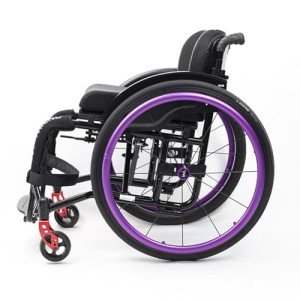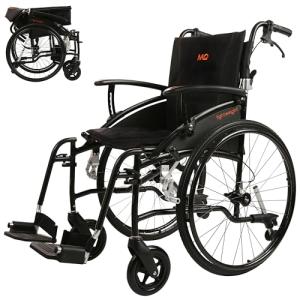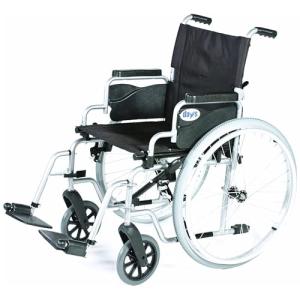





Mobility is a fundamental aspect of independence and quality of life. For individuals facing temporary or permanent mobility challenges, selecting the right equipment is a decision that impacts daily comfort, safety, and social integration. The Drive DeVilbiss Lightweight 18" Self-Propel Wheelchair has emerged as a frontrunner in the manual wheelchair market, balancing structural integrity with ease of use. This guide provides a comprehensive exploration of this model, examining its design, technical specifications, and the practical benefits it offers to users and caregivers alike.
An Overview of the Drive DeVilbiss Lightweight Series
Drive DeVilbiss Healthcare is globally recognized for manufacturing high-quality medical products that prioritize the end-user's autonomy. Their lightweight self-propel series is specifically engineered for individuals who possess the upper body strength to move themselves, though the inclusion of push handles ensures that attendant assistance is always an option.
The 18-inch seat width is considered the "standard" size in the industry, comfortably accommodating a broad demographic of adults. By utilizing an aluminum frame rather than traditional heavy steel, Drive DeVilbiss has created a chair that is remarkably easy to maneuver without sacrificing the weight capacity required for daily durability.
Technical Specifications at a Glance
Before diving into the narrative details, it is essential to review the technical hardware that defines this model.
| Feature | Specification |
|---|---|
| Frame Material | High-grade Aluminum |
| Seat Width | 18 inches (45 cm) |
| Total Weight | Approx. 15 kg (33 lbs) |
| Carry Weight (Wheels removed) | Approx. 9 kg (20 lbs) |
| Weight Capacity | 115 kg (18 Stone / 253 lbs) |
| Wheel Type | 24" Puncture-proof Rear Wheels |
| Brake System | Lever-action Parking Brakes |
| Upholstery | Padded Nylon |
| Footrests | Swing-away and Removable |
Design and Build Quality: The Aluminum Advantage
The primary appeal of the Drive DeVilbiss Lightweight Wheelchair lies in its construction. Historically, manual wheelchairs were cumbersome, often weighing upwards of 20kg. The transition to an aluminum frame serves two critical purposes: it reduces the physical effort required for self-propulsion and makes the chair significantly easier for caregivers to lift into vehicle trunks.
The Double Cross Brace
Stability is often a concern with lightweight frames. However, this model features a double cross brace design. This structural reinforcement ensures that the frame remains rigid during movement, preventing the "flexing" sensation that can sometimes occur with cheaper models. This design also facilitates a smooth folding mechanism, allowing the chair to collapse vertically for compact storage.
Puncture-Proof Performance
The wheelchair is equipped with polyurethane (PU) tires. Unlike pneumatic (air-filled) tires, PU tires cannot go flat. This is a vital feature for users who may navigate various terrains—from smooth hospital hallways to textured sidewalks—ensuring they are never stranded due to a puncture.
Comfort and Ergonomics
A wheelchair is more than just a transport device; for many, it is a primary seat for several hours a day. The Drive DeVilbiss 18" model incorporates several ergonomic features to enhance user comfort.
Seating and Upholstery
The 18-inch seat is paired with padded nylon upholstery. Nylon is preferred in medical settings because it is durable, easy to wipe clean, and more breathable than vinyl, which can become uncomfortably warm. The seat depth and backrest height are optimized to provide lumbar support while allowing the arms enough range of motion to reach the handrims.
Customizable Support
Different users have different anatomical needs. To accommodate this, the wheelchair offers:
- Swing-Away Footrests: These can be moved to the side or removed entirely, allowing the user to transition in and out of the chair safely without tripping.
- Padded Armrests: The desk-style armrests are padded for comfort and designed to allow the user to sit closer to tables or desks.
- Heel Loops: Attached to the footplates, these prevent the user’s feet from sliding backward into the frame.
Portability and Transportation
One of the most significant burdens of wheelchair ownership is the difficulty of travel. Drive DeVilbiss has addressed this through a modular design that favors portability.
Quick-Release Rear Wheels
One of the standout features of this model is the inclusion of "quick-release" axles on the large 24-inch rear wheels. By pressing a central button, the wheels can be detached from the frame in seconds without the need for tools. This drastically reduces the weight and the footprint of the chair, making it possible to fit it into the boot of even small hatchbacks.
Half-Folding Backrest
The backrest on this model can be folded down halfway. This further reduces the vertical height of the chair when it is in its collapsed state, ensuring it doesn't obstruct the line of sight when placed in the rear of a vehicle.
Comparative Analysis: Aluminum vs. Steel Models
To understand why the Drive DeVilbiss Lightweight model is a preferred choice, it is helpful to compare it against standard steel alternatives.
| Feature | Lightweight Aluminum (Drive DeVilbiss) | Standard Steel Wheelchair |
|---|---|---|
| Maneuverability | High - Requires less force | Moderate - Can be heavy to turn |
| Transportability | Excellent - Quick-release parts | Difficult - Often exceeds 20kg |
| Longevity | Aluminum is naturally rust-resistant | Steel can rust if the coating chips |
| Energy Consumption | Low - Less fatigue for the user | High - More strain on shoulders |
Key Features List
The following list highlights the functional benefits integrated into the Drive DeVilbiss 18" Self-Propel Wheelchair:
- Self-Propelled Handrims: Large rear wheels with comfortable rims allow for independent movement.
- Dual Brakes: Includes both user-accessible parking brakes and, in some configurations, attendant brakes on the handles.
- Silver Vein Finish: A stylish, chip-resistant finish that maintains a professional appearance over time.
- Rear Stepper Tube: A small pedal at the back that allows caregivers to use their foot to tilt the chair back when mounting curbs.
- Storage Pocket: A discreet pocket on the backrest for carrying small personal items or documents.
Who is This Wheelchair For?
This specific model is versatile, but it is ideally suited for:
- Independent Users: Those who have the strength to propel themselves but need a chair that isn't exhausting to push over long distances.
- Frequent Travelers: Individuals or families who often use cars or public transport and need a chair that folds and disassembles quickly.
- Post-Operative Patients: Those recovering from surgery who require a reliable, standard-sized chair for rehabilitation.
- Caregivers with Physical Limitations: The lightweight frame protects the caregiver from back strain when loading the equipment.
The Drive DeVilbiss Lightweight 18" Self-Propel Wheelchair stands as a testament to thoughtful medical engineering. By focusing on the reduction of weight and the increase of modularity, the manufacturers have created a tool that truly serves its purpose: removing barriers to mobility. Whether used for a quick trip to the grocery store or as a daily companion for navigating the home, its blend of comfort, safety, and portability makes it an industry standard for a reason.
Frequently Asked Questions (FAQ)
1. Is the 18-inch seat wide enough for most adults?Yes, the 18-inch (45 cm) seat is the industry standard for an average-sized adult. However, for individuals who require extra space or use heavy winter clothing, a 20-inch model might be more appropriate.
2. Can this wheelchair be used outdoors?Absolutely. The puncture-proof PU tires and sturdy aluminum frame are designed for both indoor and outdoor use. However, it is most effective on paved or relatively flat surfaces.
3. Does the wheelchair come fully assembled?Most Drive DeVilbiss wheelchairs arrive almost fully assembled. The user typically only needs to slot in the footrests and ensure the wheels are clicked into place, which requires no tools.
4. Can I push this chair as an attendant?Yes. While it is designed for self-propelling, it features ergonomic push handles at the rear, allowing a caregiver to take control whenever the user becomes tired.
5. How do I maintain the aluminum frame?Maintenance is minimal. It is recommended to wipe the frame with a damp cloth and mild detergent. Regularly check that the quick-release wheels are clicking into place securely and that the brakes are properly adjusted.