




In the modern world, accessibility is not just a luxury; it is a fundamental requirement for inclusive living. For individuals with limited mobility, small architectural barriers like a single step, a high threshold, or a vehicle entry can become significant obstacles. The foldable aluminum wheelchair ramp has emerged as one of the most effective, versatile, and durable solutions to bridge these gaps.
By combining the structural integrity of high-grade metal with the convenience of a portable design, these ramps provide a bridge to independence. This guide explores the features, benefits, technical specifications, and safety considerations of foldable aluminum wheelchair ramps.
Understanding the Foldable Aluminum Wheelchair Ramp
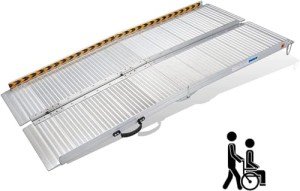
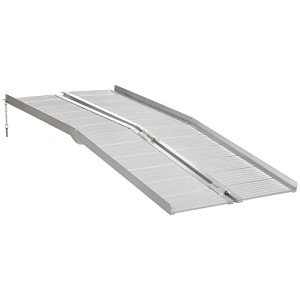
A foldable aluminum wheelchair ramp is a portable inclined plane designed to provide access for wheelchairs, power chairs, and scooters over uneven surfaces. Unlike permanent concrete or wooden structures, these ramps are engineered for mobility and temporary use. They typically feature a hinge mechanism in the center (or multiple hinges), allowing them to fold in half—like a suitcase—for easy transport and storage.
Aluminum is the material of choice for these devices due to its exceptional strength-to-weight ratio. It allows the ramp to support hundreds of pounds of pressure while remaining light enough for a single person to carry.
Key Benefits of Aluminum Construction
When selecting a mobility aid, material science plays a crucial role. Aluminum offers several advantages over steel, wood, or plastic:
- Corrosion Resistance: Unlike steel, aluminum does not rust. This makes aluminum ramps ideal for outdoor use, even in rainy or coastal environments.
- Lightweight Strength: Aluminum is approximately one-third the weight of steel, yet high-grade alloys (such as 6061-T6) offer comparable structural support.
- Durability: Aluminum does not rot or warp like wood, and it does not become brittle in freezing temperatures like some plastics.
- Low Maintenance: Beyond occasional cleaning and checking the hinges, aluminum ramps require very little upkeep.
Types of Foldable Ramps
Not all foldable ramps are identical. They are generally categorized based on how they fold and their intended application.
1. Single-Fold Ramps (Suitcase Ramps)
These are the most common portable ramps. They fold once down the center length-wise and often feature a built-in handle. They are ideal for overcoming 1–3 steps or accessing the side of a minivan.
2. Multi-Fold Ramps (Trifold)
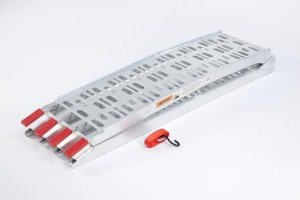
For higher rises, a single-fold ramp might be too long to transport easily. Multi-fold ramps use a more complex hinge system to fold both length-wise and width-wise, reducing their footprint significantly for storage in a trunk or closet.
3. Solid Surface vs. Perforated/Mesh Surface
- Solid Surface: Features a high-traction grit or ribbed texture. It provides a stable "floor" feeling.
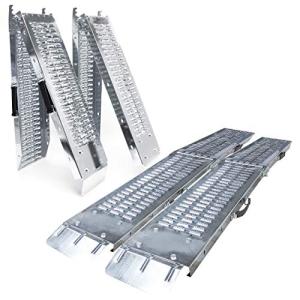
- Mesh/Perforated: Allows rain, snow, and debris to pass through, reducing the risk of slip hazards in inclement weather.
Comparison Table: Ramp Types and Use Cases
| Ramp Type | Best For | Typical Lengths | Portability Level |
|---|---|---|---|
| Single-Fold | Low steps, curbs, small thresholds | 2ft - 6ft | High (One handle) |
| Multi-Fold | Higher vehicles, 3+ steps | 5ft - 10ft | Moderate (Needs more space) |
| Roll-Up | Semi-permanent home use | Up to 12ft+ | Low (Heavy but compactable) |
| Threshold Ramp | Doorway lips, sliding door tracks | 1in - 6in | Very High (Stay in place) |
Technical Specifications and Capacity
Safety is paramount when using a ramp. Most high-quality foldable aluminum ramps are designed to support a minimum of 600 lbs, accommodating the weight of the user, the mobility device, and occasionally an assistant.
Common Specifications Table
| Feature | Standard Specification |
|---|---|
| Material | Aircraft-grade Aluminum (6061 or equivalent) |
| Weight Capacity | 600 lbs - 800 lbs (Distributed) |
| Standard Width | 28 inches to 32 inches |
| Surface Coating | Anti-slip high-traction tape or extruded ridges |
| Edge Protection | 2-inch to 3-inch side curbs/rails |
| Safety Certifications | Often tested to a 3:1 safety factor |
Determining the Correct Ramp Length
One of the most frequent mistakes made when purchasing a foldable ramp is choosing one that is too short. A ramp that is too short will result in an incline that is too steep, which can be dangerous for the user and may cause the wheelchair to tip backward.
The Americans with Disabilities Act (ADA) recommends a 1:12 slope ratio for public spaces (1 foot of ramp for every 1 inch of vertical rise). For residential or portable use where space is limited, a 1:6 or 2:12 ratio is sometimes acceptable for occupied power chairs, but a gentler slope is always safer.
Measuring Guide:
- Measure the Vertical Rise: Measure the exact height from the ground to the top of the step or vehicle entry.
- Calculate the Length:
- Ideal (1:12): 6-inch rise = 6-foot ramp.
- Acceptable (1:8): 6-inch rise = 4-foot ramp.
- Check the Width: Ensure the ramp is wide enough for the wheels of the specific wheelchair or scooter.
Essential Safety Features to Look For
To ensure the safety of the user and the caregiver, certain features are non-negotiable:
- Anti-Slip Surface: Look for a surface that feels like sandpaper or has deep grooves to provide traction for rubber tires even when wet.
- Side Curbs: Raised edges (usually 2 inches high) prevent the wheels from accidentally rolling off the side of the ramp.
- Transition Plates: The "tongue" at the top of the ramp and the "lip" at the bottom should be tapered to provide a smooth transition from the ramp to the landing.
- Security Pins/Straps: High-quality ramps include holes for safety pins or straps to secure the ramp to the vehicle or landing, preventing it from sliding backward during use.
- Self-Adjusting Bottom Plate: This allows the ramp to sit flush against uneven ground.
Maintenance and Care
While aluminum is resilient, regular maintenance ensures the longevity and safety of the device.
- Daily Inspection: Check for any debris (mud, leaves, ice) that could compromise traction.
- Hinge Lubrication: Periodically apply a silicone-based lubricant to the hinges to ensure the ramp folds and unfolds smoothly.
- Cleaning: Use a mild detergent and water to wash away salt or chemicals that might have been picked up from roads.
- Fastener Check: Occasionally ensure that all bolts and rivets are tight and have not vibrated loose during transport.
Foldable aluminum wheelchair ramps represent a vital tool in the pursuit of an accessible society. Their light weight, immense strength, and weather-resistant properties make them an ideal choice for both home and travel. By understanding the different types of ramps available and strictly adhering to slope safety guidelines, caregivers and users can ensure a safe and mobile lifestyle. Whether it is visiting a friend’s home, heading to a medical appointment, or simply navigating a backyard patio, these ramps turn "impossible" barriers into simple transitions.
Frequently Asked Questions (FAQ)
1. How much does a foldable aluminum ramp weigh?
The weight depends on the length and capacity. A 3-foot suitcase ramp typically weighs between 15 and 20 lbs, while a 10-foot multi-fold ramp can weigh between 50 and 70 lbs. Most include handles to distribute the weight evenly during transport.
2. Can these ramps be used for motorized scooters?
Yes, as long as the weight of the scooter plus the occupant does not exceed the ramp’s weight capacity (usually 600–800 lbs). It is also important to check the ground clearance of the scooter to ensure it won’t "high center" at the top of the ramp.
3. Can I leave an aluminum ramp outside permanently?
While aluminum is rust-resistant and can withstand the elements, it is generally recommended to store portable ramps indoors when not in use for long periods. This prevents the buildup of slippery debris and protects the folding hinges from excessive grit.
4. Are these ramps covered by insurance or Medicare?
In many cases, Medicare considers portable ramps "convenience items" rather than "medical necessity," and they may not be covered. However, some private insurance plans or Medicaid waivers for home modification may provide coverage. It is best to check with the specific provider.
5. What is the maximum height a 6-foot ramp can safely climb?
Using the 1:12 ADA guideline, a 6-foot ramp should only be used for a 6-inch rise. For residential use with an unoccupied chair or a power chair, some manufacturers suggest it can handle up to a 10-inch or 12-inch rise, but this creates a significantly steeper incline.
6. Do I need tools to set up a foldable ramp?
No. One of the primary benefits of foldable aluminum ramps is that they are designed for "tool-free" setup. They typically unfold and rest on the top landing using their own weight and the "tongue" plate for stability. Safety pins are usually inserted by hand.