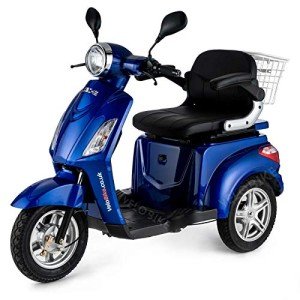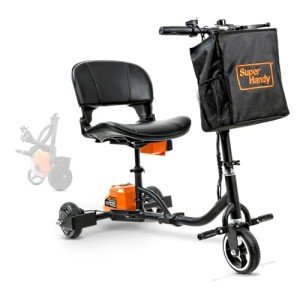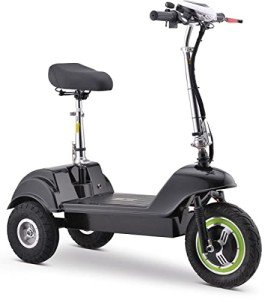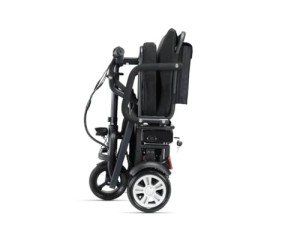

As the population ages, the demand for mobility solutions that enhance independence and quality of life for seniors continues to grow. One such solution is the folding 3-wheel mobility scooter, which offers a unique combination of portability, ease of use, and functional design. This guide provides a detailed exploration of these scooters, their benefits, key features, and answers to frequently asked questions.
Understanding Folding 3-Wheel Mobility Scooters
Folding 3-wheel mobility scooters are designed specifically for seniors or individuals with limited mobility. These scooters allow users to travel with ease, whether in their neighborhood, local shopping venues, or on outdoor adventures. Their compact design and light weight make them incredibly convenient for those who require assistance moving but value flexibility.
| Feature | Description |
|---|---|
| Wheels | 3 wheels for maximum stability |
| Weight | Usually under 100 lbs for ease of handling |
| Folding Capability | Collapses into a compact form for transport |
| Battery Life | Average range of 10-15 miles per charge |
| Speed | Typically 4-5 mph for safe cruising |
| User Capacity | Varies by model; most accommodate up to 300 lbs |
Key Benefits of Folding 3-Wheel Mobility Scooters
Folding 3-wheel mobility scooters offer a multitude of advantages for seniors, such as:
1. Portability
The primary feature of folding mobility scooters is their design. When folded, these scooters can often fit in the trunk of most cars and are easily transported via public transport. This portability allows seniors to maintain their lifestyle, continuing to partake in social activities, shopping, and travel.
2. Easy Handling
Equipped with a simple control system and a lightweight frame, these scooters are easy for seniors to maneuver. Many models feature handlebars that provide added stability and comfort, as well as intuitive controls for navigating in various environments.
3. Enhanced Independence
For many seniors, the ability to move freely is crucial to their independence. A folding 3-wheel mobility scooter enables users to enjoy local parks, visit friends, or run errands without relying solely on caregivers or family members.
4. Safety Features
Many modern scooters come equipped with safety features like anti-tip technology, automatic braking systems, and bright LED lights, enabling seniors to travel confidently even in low-light conditions.
5. Affordability
Compared to other mobility options, folding 3-wheel mobility scooters are often more affordable, particularly when considering both the initial purchase and maintenance costs. This makes them accessible for a larger segment of the aging population.
Important Features to Look For
When choosing a folding 3-wheel mobility scooter, several key features should be assessed:
1. Weight Capacity
Ensure the scooter can accommodate the user's weight. Most scooters can support users weighing between 250-350 lbs.
2. Battery Range
Consider the distance the scooter can cover on a single charge. A range of 10-15 miles is generally sufficient for daily use.
3. Foldability
Not all folding scooters fold uniformly; some may require disassembly for transport. Look for models that fold quickly and compactly.
4. Suspension System
A scooter with a good suspension system can make rides more comfortable, especially on uneven surfaces.
5. Warranty and Support
Check for warranty offerings and customer support from the manufacturer. Reliable service is essential for long-term satisfaction.
6. Additional Accessories
Some models feature baskets, cup holders, or removable seats, enhancing user convenience.
How to Choose the Right Folding 3-Wheel Mobility Scooter
Selecting the right scooter involves considering the user’s lifestyle and specific needs. Here’s a step-by-step guide:
Step 1: Assess Mobility Needs
Consider the user’s balance, strength, and primary locales of use (e.g., shopping malls, parks).
Step 2: Determine Budget
Establish a budget that balances affordability with quality and function.
Step 3: Research Models
Investigate various models, comparing features, weights, and customer reviews.
Step 4: Test Drive
If possible, arrange for a test drive to assess comfort, control, and maneuverability.
Step 5: Evaluate Options for Accessories
Consider whether additional accessories might enhance the user experience.
Frequently Asked Questions (FAQs)
Q1: How much does a folding 3-wheel mobility scooter cost?
A1: Prices typically range from £800 to £3,000, depending on the brand, features, and included warranties.
Q2: Can these scooters handle hills or rough terrain?
A2: While a folding 3-wheel scooter is best suited for flat, paved surfaces, many models can navigate gentle hills. For rough terrain, consider a 4-wheel scooter for additional stability.
Q3: How long does it take to charge the battery?
A3: Charging times vary by model but usually range from 4 to 8 hours for a full charge.
Q4: Are mobility scooters covered by insurance?
A4: Some insurance plans or Medicare may cover part of the cost. It’s essential to check with your insurance provider for specific coverage details.
Q5: Can the scooters be used indoors?
A5: Many folding 3-wheel mobility scooters are well-suited for indoor use due to their compact size and tight turning radius.
Folding 3-wheel mobility scooters represent a significant advancement in mobility solutions for seniors, providing an efficient, affordable, and comfortable way for individuals to maintain their independence and engage with the world around them. By understanding their benefits, evaluating key features, and following a thoughtful selection process, seniors can find a mobility scooter that enhances their lifestyle and enables them to navigate life with confidence.