

Mobility is a fundamental aspect of human independence. For individuals with limited walking ability, the choice of a wheelchair is not merely a purchase of medical equipment; it is an investment in freedom, safety, and quality of life. Among the various options available on the market today, the Half-Folding Self-Propelled Wheelchair with a Safety Seatbelt stands out as a versatile and reliable solution.
This guide explores the intricate details, benefits, and technical aspects of these wheelchairs, providing an informative overview for users, caregivers, and healthcare professionals.
What is a Half-Folding Self-Propelled Wheelchair?
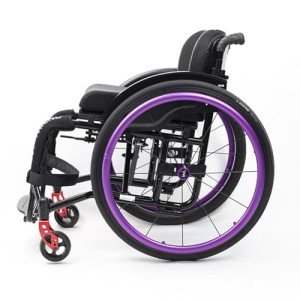
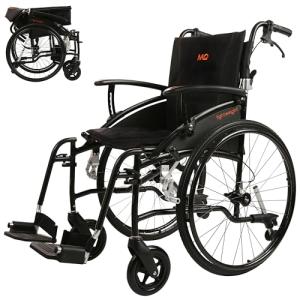
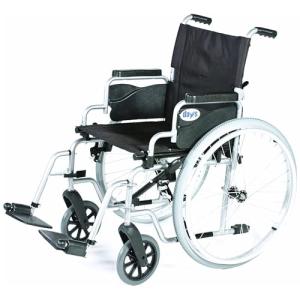
A self-propelled wheelchair is designed with large rear wheels, typically 22 to 24 inches in diameter, equipped with "hand rims." These rims allow the user to propel themselves without needing a dedicated pusher or caregiver. However, these chairs also include handles at the back, allowing a companion to assist when the user is fatigued.
The "half-folding" feature refers specifically to the backrest. While most manual wheelchairs fold inwards (side-to-side), a half-folding model allows the top half of the backrest to fold down toward the seat. This significantly reduces the overall height of the chair, making it much easier to store in small car trunks or narrow cupboards.
The Critical Role of the Safety Seatbelt
The inclusion of a safety seatbelt is a vital security feature. Often overlooked in basic models, a built-in seatbelt ensures that the user remains securely positioned within the seat frame. This is particularly crucial during sudden stops, when navigating over uneven terrain, or for users who experience muscle spasms or have limited core stability.
Key Benefits and Features
The design of a half-folding self-propelled wheelchair is a balance between robust engineering and user-centric ergonomics. Below are the primary advantages offered by this specific model:
1. Enhanced Portability
The primary draw of a half-folding mechanism is the space it saves. By collapsing the backrest, the chair becomes a compact cube-like shape. When combined with quick-release wheels (available on premium models), the chair can fit into even the smallest of vehicle boots.
2. Physical Autonomy
Self-propelled wheels empower the user. By managing their own movement, users maintain upper body strength and psychological independence. The large wheels also provide a smoother ride over outdoor surfaces compared to the small wheels found on transit chairs.
3. Integrated Safety
Safety is paramount in mobility. The integrated seatbelt provides:
- Security on Inclines: Prevents the user from sliding forward when descending ramps.
- Postural Support: Helps maintain an upright position for users with lower trunk strength.
- Peace of Mind: Reduces the risk of accidental falls during transitions.
4. Lightweight Construction
Most modern half-folding wheelchairs utilize high-grade aluminum frames. This ensures the chair is light enough for a caregiver to lift while remaining sturdy enough to support significant weight capacities.
Technical Specifications: A Detailed Overview
When selecting a wheelchair, technical details matter. Below is a representative table showing the typical specifications for a standard aluminum half-folding self-propelled wheelchair.
Table 1: Typical Specifications
| Feature | Standard Specification |
|---|---|
| Frame Material | Lightweight Aluminum or Reinforced Steel |
| Weight Capacity | 115kg - 135kg (approx. 18 - 21 stone) |
| Total Weight of Chair | 12kg - 15kg |
| Seat Width Options | 16", 18", or 20" |
| Rear Wheel Type | 24" Puncture-proof Solid Tyres |
| Front Castors | 8" Swivel Castors |
| Folding Mechanism | Half-folding backrest + Side-to-side cross brace |
| Safety Features | Adjustable seatbelt, Caliper brakes, Parking brakes |
Comparing Self-Propelled and Transit Models
Understanding why a "Self-Propelled" model is often preferred over a "Transit" model is important for long-term satisfaction.
Table 2: Comparison of Wheelchair Types
| Feature | Self-Propelled (Half-Folding) | Transit (Standard) |
|---|---|---|
| Independence | High - User can move themselves. | Low - Requires an attendant/pusher. |
| Wheel Size | Large (22"-24") | Small (8"-12") |
| Terrain Navigation | Handles bumps/cracks easily. | Best suited for smooth floors. |
| Weight | Slightly heavier due to large wheels. | Generally lighter and more compact. |
| Storage | Very compact with half-folding back. | Usually taller even when folded. |
Essential Components for User Comfort
A long-term user spends several hours a day in their chair. Therefore, comfort features are just as important as structural ones.
- Padded Upholstery: High-quality models use flame-retardant, breathable nylon or canvas upholstery that is easy to wipe clean.
- Flip-Up or Removable Armrests: These facilitate "side transfers" (moving from the chair to a bed or toilet) and allow the user to sit closer to tables or desks.
- Swing-Away Footrests: These can be moved to the side or removed entirely, making it safer for the user to stand up or sit down without tripping over the footplates.
- Heel Loops: Often attached to the footrests, these prevent the user's feet from sliding backward into the castors.
Maintenance and Longevity
To ensure the safety seatbelt and the self-propelling mechanism remain in top condition, regular maintenance is required.
- Weekly Cleaning: Use a damp cloth to remove dirt from the frame and upholstery. Sand and grit in the axles can cause premature wear.
- Brake Inspection: Ensure the parking brakes lock the wheels firmly. If the chair moves while the brakes are engaged, they require adjustment.
- Tyre Pressure (if pneumatic): If the chair uses air-filled tyres, keep them at the recommended PSI to ensure the chair remains easy to push. For solid tyres, check for cracks.
- Seatbelt Check: Regularly inspect the buckle and the webbing of the safety seatbelt for any signs of fraying or mechanical failure.
Frequently Asked Questions (FAQ)
1. Does a half-folding wheelchair fit in a small car?
Yes. The half-folding backrest is specifically designed to address this issue. By folding the backrest down, the vertical height of the chair is reduced by approximately 40-50%, making it compatible with most compact car trunks.
2. Can the seatbelt be adjusted for different body sizes?
Absolutely. Most safety seatbelts included with wheelchairs feature a "pull-to-tighten" mechanism similar to those found in aircraft, allowing them to accommodate a wide range of waist sizes securely.
3. Is an aluminum frame better than a steel frame?
Aluminum is generally preferred because it is rust-resistant and significantly lighter, making the chair easier to self-propel and easier for caregivers to lift. However, steel frames are often more budget-friendly.
4. Are the footrests adjustable?
Yes, most models feature height-adjustable footrests to ensure the user’s knees are at a comfortable 90-degree angle, which helps in preventing pressure sores.
5. Can I use this wheelchair outdoors?
The large rear wheels of a self-propelled chair are designed precisely for outdoor use. They provide better stability and vibration dampening on pavements and gravel paths compared to small-wheeled transit chairs.
The Half-Folding Self-Propelled Wheelchair with Safety Seatbelt represents a pinnacle of practical design in manual mobility. It addresses the three most critical needs of any user: autonomy through self-propulsion, security through the integrated seatbelt, and convenience through the half-folding frame.
By choosing a model that balances these features, individuals can maintain an active lifestyle, confident in the knowledge that their mobility aid is as adaptable as they are. Whether it is a trip to the local park or a journey across the country, this type of wheelchair provides the reliability and ease of use necessary for modern living.