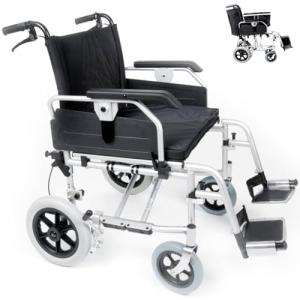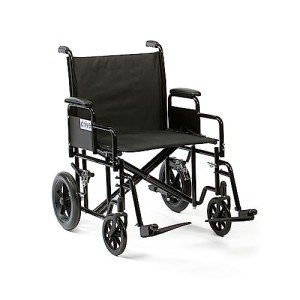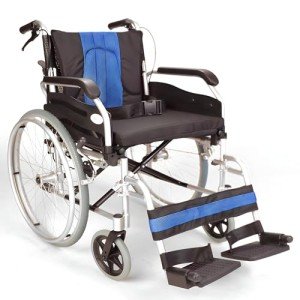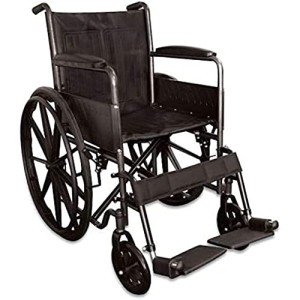

Mobility is a fundamental aspect of independence and quality of life. For individuals who require bariatric support, the standard wheelchair often falls short in terms of comfort, safety, and durability. The Heavy-Duty Extra-Wide Folding Wheelchair with a 24-inch seat is specifically engineered to bridge this gap. Designed to accommodate higher weight capacities while providing the necessary width for comfort, these chairs represent a pinnacle of reinforced engineering and ergonomic design.
This guide provides an in-depth look at the features, benefits, and technical specifications of the 24-inch heavy-duty folding wheelchair, offering valuable insights for users, caregivers, and medical professionals.
The Necessity of Specialized Bariatric Mobility
Standard wheelchairs typically feature seat widths ranging from 16 to 20 inches, with weight capacities maxing out around 250 to 300 pounds. For a significant portion of the population, these dimensions provide inadequate space, leading to pressure sores, discomfort, and structural failure of the chair.
The 24-inch heavy-duty model is categorized as a bariatric wheelchair. It is designed not just to be "bigger," but to be structurally superior. Every component, from the upholstery to the axle, is reinforced to handle the increased stress of a higher weight load, typically ranging from 450 to 700 pounds depending on the specific model.
Key Features of the 24-Inch Heavy-Duty Wheelchair
When evaluating an extra-wide folding wheelchair, several key features distinguish a high-quality medical device from a standard mobility aid.
1. Reinforced Frame and Dual Cross Braces
The "backbone" of any heavy-duty wheelchair is its frame. Most 24-inch models utilize carbon steel or reinforced aluminum. A critical feature is the dual cross brace. Unlike standard chairs that have a single 'X' frame underneath the seat, heavy-duty chairs use two sets of cross braces to distribute weight evenly and prevent the frame from bowing under pressure.
2. Heavy-Duty Upholstery
Extended seat widths require materials that will not sag over time. These chairs often feature reinforced vinyl or double-stitched nylon upholstery. Some models include a carry pocket on the backrest and internal liners to maintain the seat's shape.
3. Precision Sealed Bearings
In standard wheelchairs, the friction of movement is manageable. However, with increased weight, movement becomes harder. Precision sealed bearings in the front and rear wheels ensure that the chair remains easy to maneuver, even when carrying its maximum weight capacity.
4. Oversized Front Casters
To provide better stability and prevent the chair from tipping or getting stuck in floor cracks, heavy-duty models usually feature 8-inch reinforced front casters.
Technical Specifications: At a Glance
To better understand how these chairs differ from standard models, the following table outlines the typical specifications for a 24-inch heavy-duty folding wheelchair.
Table 1: Technical Specifications
| Feature | Specification (Typical) |
|---|---|
| Seat Width | 24 Inches |
| Weight Capacity | 450 lbs - 500 lbs (Standard Heavy-Duty) |
| Frame Material | Powder-Coated Carbon Steel |
| Front Casters | 8" x 2" (Reinforced) |
| Rear Wheels | 24" Solid Urethane Tires |
| Product Weight | 50 lbs - 62 lbs |
| Folded Width | 12.5" - 14" |
| Armrest Style | Removable, Desk-length or Full-length |
| Footrest Style | Swing-away or Elevating with Tool-free adjustment |
Comparing Standard vs. Heavy-Duty Wheelchairs
Choosing the right chair requires understanding the limitations of standard equipment. The table below highlights the comparative differences.
Table 2: Comparison of Standard vs. Heavy-Duty Models
| Feature | Standard Wheelchair | Heavy-Duty (24" Seat) |
|---|---|---|
| Weight Support | Up to 250 lbs | Up to 500+ lbs |
| Seat Widths | 16" - 20" | 22" - 30" (24" is common) |
| Cross Brace | Single 'X' Brace | Dual or Triple 'X' Brace |
| Tire Material | Basic Rubber/Plastic | High-Density Solid Urethane |
| Durability | Light to Moderate Use | Frequent/Daily Heavy Use |
| Frame Rigidity | Higher flex | High rigidity for safety |
User Comfort and Accessibility Options
While strength is vital, usability is equally important. A 24-inch wide chair presents unique challenges in terms of navigating environments.
Removable Armrests
Most 24-inch models come with "desk-length" or "full-length" armrests that are removable. Removable arms are essential for lateral transfers (moving from the chair to a bed or car) and allow the user to sit closer to tables and desks.
Swing-Away Footrests
For users with a 24-inch seat, standing up can be a challenge if the footrests are in the way. Swing-away footrests allow the user to clear the front of the chair entirely, providing a safe space for their feet to reach the floor during a transfer.
Portability and Folding Mechanisms
Despite the "Heavy Duty" label, these chairs are designed to fold. By pulling up on the seat upholstery, the dual cross braces collapse, bringing the wheels together. This allows the chair to be stored in the trunk of a large vehicle or tucked away in a closet. However, users should note that at roughly 55-60 pounds, lifting the chair often requires two people or a vehicle lift.
Essential Safety Considerations
Safety is the primary reason for choosing a reinforced chair. Using a chair that is too narrow or has a weight capacity that is too low can result in:
- Pressure Areas: Skin rubbing against the side panels.
- Structural Failure: Snapped axles or bent frames.
- Instability: A higher center of gravity in an undersized chair increases tipping risks.
Heavy-duty chairs address these risks via anti-tippers (small rear wheels that prevent the chair from flipping backward) and push-to-lock wheel locks that ensure the chair remains stationary during transfers.
List: Maintenance Tips for Heavy-Duty Wheelchairs
To ensure the longevity of a 24-inch wide wheelchair, regular maintenance is required:
- Check Tire Pressure: If the chair has pneumatic tires, ensure they are at the correct PSI. If solid urethane, check for flat spots.
- Inspect Cross Braces: Periodically look for signs of stress or bending in the 'X' frame underneath the seat.
- Tighten Bolts: Bariatric loads put extra vibration on hardware; ensure seat and backrest bolts are secure.
- Clean Upholstery: Use mild soap and water to prevent the buildup of bacteria and salt from sweat, which can degrade the material.
- Lubricate Axles: Ensure the quick-release or fixed axles are lubricated once every few months to maintain smooth rotation.
Buying Guide: Measuring for a 24-Inch Chair
Before purchasing, it is critical to measure both the user and their environment.
- Measure the User: The user should sit on a flat surface. Measure the widest part of their hips/thighs. A 24-inch seat is appropriate if the user’s width is roughly 21-22 inches, allowing for 1 inch of clearance on either side for clothing and comfort.
- Measure the Doors: A chair with a 24-inch seat usually has an overall external width of 32 to 34 inches (accounting for the wheels and handrims). Most standard interior residential doors are only 30-32 inches wide. Modifications to the home may be necessary.
Frequently Asked Questions (FAQ)
1. Does a 24-inch wheelchair fit through standard bathroom doors?
Generally, no. Most standard bathroom doors are 28 to 30 inches wide. A 24-inch seat chair typically has an outer width of 32+ inches. Users may need to install "offset hinges" or widen the doorway to accommodate the chair.
2. Can one person lift a 24-inch heavy-duty folding wheelchair into a car?
Because these chairs are reinforced, they usually weigh between 50 and 65 pounds. While one person can lift it, it is significantly heavier than a standard 30-pound chair. It is recommended that a caregiver or a mechanical lift be used for transport.
3. Are the tires on heavy-duty chairs air-filled or solid?
Most 24-inch heavy-duty models use solid urethane tires. Solid tires are preferred for bariatric use because they cannot go flat and are more durable under high weight loads compared to air-filled (pneumatic) tires.
4. What is the difference between desk-length and full-length armrests?
Desk-length armrests are shorter at the front, allowing the user to roll the chair under a desk or dining table. Full-length armrests provide support along the entire length of the arm, which is often better for users who need more leverage when pushing themselves up to a standing position.
5. Is a 24-inch seat too big?
A seat that is too wide can be just as problematic as one that is too narrow. If the seat is too wide, the user may lean to one side, leading to spinal curvature or poor posture. There should be approximately one inch of space between the user’s hips and the side of the chair.
The Heavy-Duty Extra-Wide Folding Wheelchair with a 24-inch seat is a vital tool for ensuring the mobility and dignity of bariatric users. By prioritizing structural integrity through dual cross braces, reinforced frames, and heavy-duty materials, these chairs provide a safe and comfortable environment. While the increased width requires careful consideration regarding home accessibility, the benefits of specialized support far outweigh the logistical challenges. Investing in the correct equipment not only enhances the user's independence but also ensures a safer working environment for caregivers.