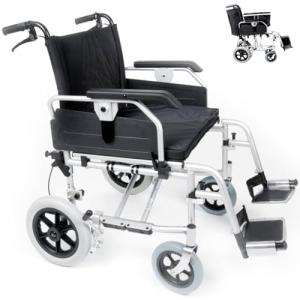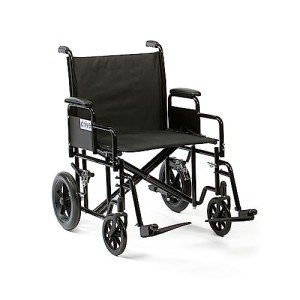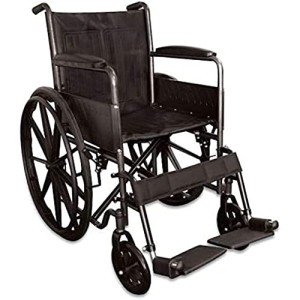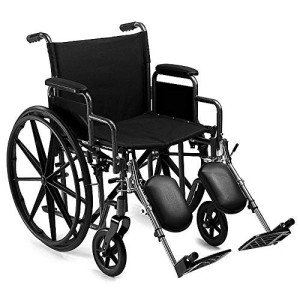

Mobility is a fundamental aspect of independence and quality of life. For individuals with limited mobility, the choice of a wheelchair can significantly impact their daily experiences, comfort, and ability to navigate the world. Among the various options available in the medical equipment market, the lightweight folding aluminum wheelchair with a 20-inch seat has emerged as a preferred choice for many. This combination of material, design, and size offers a unique balance of durability, portability, and ergonomic support.
This guide explores the intricate details of these mobility aids, examining why aluminum is the material of choice, the advantages of a wider 20-inch seat, and how the folding mechanism facilitates a more active lifestyle.
The Superiority of Aluminum in Wheelchair Construction
When selecting a wheelchair, the frame material is one of the most critical factors. Historically, wheelchairs were constructed from heavy steel, which, while durable, made self-propulsion and transport difficult. The shift toward aluminum has revolutionized the industry.
Why Aluminum?
Aluminum is celebrated for its high strength-to-weight ratio. It allows manufacturers to create a frame that is robust enough to support significant weight while remaining light enough for a caregiver to lift or a user to propel with minimal exertion. Furthermore, aluminum is naturally resistant to corrosion, making it an ideal choice for use in various climates and environments.
Comparison: Aluminum vs. Steel Wheelchairs
To understand the value of an aluminum frame, it is helpful to compare it with the traditional steel alternative.
| Feature | Aluminum Wheelchairs | Steel Wheelchairs |
|---|---|---|
| Average Weight | 25 – 35 lbs | 40 – 55+ lbs |
| Portability | High; easy to lift and store | Low; heavy and cumbersome |
| Durability | High; rust-resistant | Moderate; prone to rust if chipped |
| Propulsion | Easier for the user | Requires more physical effort |
| Cost | Generally higher | Generally lower/Budget-friendly |
The Importance of the 20-Inch Seat Width
Seat width is not a "one size fits all" feature. Standard wheelchairs typically come in 16-inch, 18-inch, and 20-inch widths. The 20-inch seat is designed for individuals who require more room for comfort or for those with a wider body frame.
Benefits of a 20-Inch Seat
- Pressure Distribution: A seat that is too narrow can cause rubbing against the hips and thighs, leading to skin irritation or pressure sores. A 20-inch seat provides the necessary clearance.
- Winter Clothing Accommodation: In colder climates, users often wear heavy coats. The extra width of a 20-inch seat ensures that the user can sit comfortably even with layers of clothing.
- Enhanced Stability: A wider base often provides a more stable center of gravity, which can be beneficial for users with balance issues.
- Ergonomic Comfort: For long-term use, having extra space allows the user to shift positions slightly, reducing the risk of stiffness.
Key Features of Folding Lightweight Wheelchairs
The "folding" aspect of these wheelchairs is a game-changer for individuals who travel frequently or have limited storage space at home. Most lightweight aluminum models utilize a "cross-brace" mechanism, allowing the chair to collapse side-to-side.
Essential Components to Look For
- Quick-Release Wheels: Many high-end aluminum models feature wheels that can be removed with the push of a button, further reducing the weight and size for transport.
- Swing-Away Footrests: These allow the user to easily enter and exit the chair without tripping over the footplates.
- Padded Armrests: Desk-length or full-length padded armrests provide comfort and support for the forearms.
- Breathable Upholstery: Modern wheelchairs often use nylon upholstery, which is lightweight, easy to clean, and more breathable than traditional vinyl.
Maintenance and Longevity
To ensure that a lightweight aluminum wheelchair remains in peak condition, regular maintenance is required. Because aluminum is a softer metal than steel, users should periodically check for any stress fractures or loose bolts.
Maintenance Checklist
- Weekly: Wipe down the frame with a damp cloth to remove dust and salt.
- Monthly: Check tire pressure (for pneumatic tires) and ensure the brakes lock securely.
- Quarterly: Inspect the folding mechanism and lubricate moving parts with a silicone-based spray.
- Annually: Have a professional technician check the wheel alignment and bearing integrity.
Who Should Choose This Configuration?
The lightweight folding aluminum wheelchair with a 20-inch seat is specifically tailored for a certain demographic. It is ideal for:
- Active Seniors: Those who still enjoy outings but may tire easily and need a chair that can be easily loaded into a car trunk.
- Bariatric Users (Mid-Range): Users who require more space than a standard 18-inch chair but do not yet require a heavy-duty bariatric wheelchair.
- Caregivers with Physical Limitations: Caregivers who may struggle to lift a 50-pound steel chair will find the 30-pound aluminum chair significantly more manageable.
Guide to Measuring for the Right Fit
Before purchasing a 20-inch seat wheelchair, it is vital to ensure it is the correct size for the user. A seat that is too wide can make it difficult to reach the handrims for self-propulsion.
| Measurement Area | How to Measure | Ideal Result for 20-Inch Seat |
|---|---|---|
| Hip Width | Measure the widest part of the hips/thighs while seated. | Should be approx. 18 – 19 inches to allow 1 inch of clearance. |
| Seat Depth | From the back of the hip to the back of the knee. | Usually 16 – 18 inches for standard models. |
| Back Height | From the seat base to the underarm or shoulder. | Depends on the level of trunk support needed. |
Frequently Asked Questions (FAQ)
1. What is the weight capacity of a 20-inch aluminum wheelchair?
Most standard lightweight aluminum wheelchairs with a 20-inch seat support between 250 and 300 lbs. However, it is essential to check the manufacturer’s specific weight rating, as some reinforced models can support up to 350 lbs.
2. Can these wheelchairs be used on rough terrain?
While these chairs are primarily designed for flat surfaces (malls, hospitals, sidewalks), they can handle mild outdoor terrain like packed gravel or short grass. For frequent off-road use, users may want to consider larger, treaded tires.
3. Is aluminum as strong as steel?
In terms of structural engineering for wheelchairs, yes. While steel is harder, aluminum frames are engineered with thicker tubing and specific alloys to ensure they meet safety standards without the added weight.
4. Will a 20-inch wheelchair fit through standard doorways?
A wheelchair with a 20-inch seat usually has an overall width of approximately 28 to 30 inches (including wheels). Standard interior doorways in modern homes are typically 30 to 32 inches, but older homes may have narrower 24-inch or 28-inch doors. It is recommended to measure the home's doorways before purchase.
5. Are the batteries included?
The term "lightweight folding aluminum wheelchair" generally refers to manual wheelchairs. If the chair is a power/electric model, it will include batteries, but it will be significantly heavier than a manual version.
The lightweight folding aluminum wheelchair with a 20-inch seat represents a perfect intersection of form and function. By utilizing the lightweight properties of aluminum and the ergonomic benefits of a wider seat, this mobility aid offers users the freedom to go more places with less physical strain. Whether it is for daily use or occasional outings, investing in a high-quality aluminum chair ensures a reliable, comfortable, and portable solution for those seeking to maintain their mobility and independence. When choosing a model, individuals should prioritize adjustable features, reputable brands, and, most importantly, a proper fit to ensure long-term satisfaction.