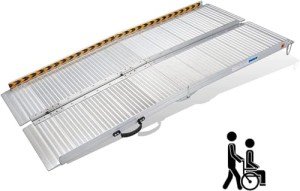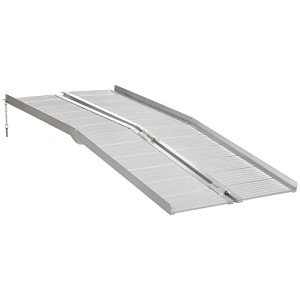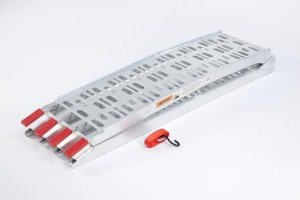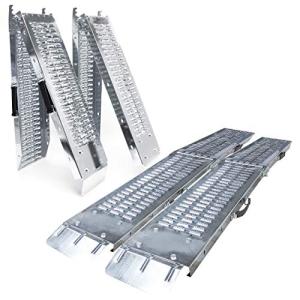


Loading heavy equipment, recreational vehicles, or machinery into a truck or trailer is a task that demands both precision and the right tools. Among the most versatile solutions in the logistics and transport industry is the Heavy Duty Folding Vehicle Loading Ramp with a 200kg capacity. This piece of equipment is designed to bridge the gap between the ground and a vehicle’s cargo area, providing a stable, inclined path for movement.
In this guide, we will explore the technical specifications, practical applications, safety protocols, and maintenance requirements for these essential loading tools.
The Engineering Behind the 200kg Folding Ramp
At first glance, a loading ramp might appear to be a simple piece of metal. However, the engineering involved in a heavy-duty folding model is quite sophisticated. Most professional-grade ramps in the 200kg category are constructed from high-grade aluminum or reinforced steel.
Material Integrity
Aluminum is the most popular choice for these ramps because of its high strength-to-weight ratio. A ramp made of aluminum is light enough for a single person to carry, yet strong enough to support a fifth of a ton without buckling. Steel variants exist for specialized industrial use, offering even greater durability at the cost of increased self-weight.
The Folding Mechanism
The "folding" aspect is a critical design feature. By utilizing a heavy-duty hinge system, the ramp can reduce its length by half for storage. This makes it ideal for users who need to transport the ramp inside the same vehicle they are loading. A high-quality hinge is designed to lock securely when in the open position to prevent accidental collapse under load.
Technical Specifications: At a Glance
Providing a clear overview of what to expect from a standard 200kg folding ramp ensures that users can match the tool to their specific needs.
| Feature | Specification (Typical) |
|---|---|
| Weight Capacity | 200kg (Single Ramp) |
| Material | High-Tensile Aluminum Alloy |
| Extended Length | 1800mm – 2250mm |
| Folded Length | 900mm – 1125mm |
| Width | 250mm – 300mm |
| Unit Weight | 7kg – 9kg |
| Surface Texture | Serrated or Punched Grip |
| Safety Features | Rubber-coated fingers, safety straps |
Versatile Applications: Who Needs a 200kg Ramp?
A 200kg capacity makes this ramp a "middle-weight" champion. It is more robust than basic domestic ramps but more portable than industrial-grade ramps meant for heavy machinery.
1. Power Sports and Recreation
For enthusiasts of dirt bikes, small ATVs, and scooters, a folding ramp is indispensable. A 200kg limit comfortably supports most single-track motorcycles and light four-wheelers.
2. Landscaping and Lawn Care
Professional landscapers utilize these ramps to load heavy-duty lawnmowers, rototillers, and wood chippers. The ease of folding the ramp allows it to be tucked into a crowded trailer bed once the equipment is secured.
3. Mobility Solutions
While many wheelchairs are lightweight, heavy motorized mobility scooters often approach the 100kg-150kg mark. A 200kg ramp provides a significant safety margin for loading these devices into vans or SUVs.
4. Construction and DIY
Moving heavy bags of cement, industrial generators, or large tool chests on dollies becomes a much safer task when using a dedicated ramp rather than attempting manual lifting.
Key Features to Look For
When selecting a heavy-duty folding ramp, certain design elements can significantly improve the user experience and safety.
- Anti-Slip Surface: Look for ramps with "punched" holes or a serrated tread. This ensures that tires or feet maintain traction, even in wet or muddy conditions.
- Arched Design: Many modern ramps feature a slight upward arch. This prevents lower-clearance equipment (like lawnmower decks) from bottoming out at the top of the ramp.
- Rubber-Coated Lips: The part of the ramp that rests on the vehicle's tailgate should be coated in rubber. This prevents the metal from scratching the vehicle’s paint and increases friction to prevent the ramp from sliding.
- Security Straps: A high-quality ramp will include adjustable safety straps. These anchor the ramp to the vehicle's bumper or hitch, ensuring it cannot kick out backward during the loading process.
Safety Protocols for Loading
Safety is the paramount concern when dealing with weighted inclines. Improper use of a loading ramp can lead to equipment damage or serious personal injury.
Pre-Loading Checklist
- Check the Weight: Ensure the combined weight of the operator and the equipment does not exceed 200kg if using a single ramp.
- Surface Stability: Place the vehicle and the ramp on level, firm ground. Loading on a slope or on soft mud increases the risk of the ramp shifting.
- Engagement: Verify that the "fingers" or the plate of the ramp are fully seated on the edge of the tailgate or trailer bed.
- Anchor the Ramp: Always use the included safety straps to secure the ramp to the vehicle frame.
Best Practices During Use
- Slow and Steady: Avoid sudden bursts of throttle when driving a vehicle up the ramp.
- Spotter Assistance: If possible, have a second person stand to the side (never directly behind or below) to guide the alignment.
- Center Loading: Always aim for the center of the ramp. If using two ramps for a four-wheeled vehicle, ensure they are perfectly parallel and spaced correctly.
Maintenance for Longevity
To ensure the Heavy Duty Folding Vehicle Loading Ramp remains a reliable tool for years, regular maintenance is required.
- Hinge Lubrication: Apply a silicone-based lubricant to the folding hinges periodically to prevent rust and ensure smooth operation.
- Cleaning: Wash off mud, salt, or oil after every use. These substances can degrade the metal over time and significantly reduce the effectiveness of the anti-slip surface.
- Structural Inspection: Before every use, inspect the ramp for hairline cracks in the welds or bends in the frame. If the structural integrity is compromised, the ramp must be decommissioned immediately.
- Storage: Store the ramp in a dry environment. While aluminum resists corrosion better than steel, prolonged exposure to moisture can lead to oxidation.
Frequently Asked Questions (FAQ)
Q: Can I use one 200kg ramp to load a 400kg ATV?
A: No. If you are using two ramps for a four-wheeled vehicle, the weight is distributed. However, it is dangerous to assume a 50/50 split at all times (shifting weight during the climb). It is highly recommended to use ramps with a combined rating that exceeds the vehicle's weight by at least 20%.
Q: Are aluminum ramps better than steel ones?
A: For most "heavy-duty" consumer needs, aluminum is superior because it does not rust and is much easier to handle. Steel ramps are generally reserved for much heavier weight capacities (1,000kg+) where the weight of the ramp itself is less of a concern than pure material density.
Q: What is the maximum height I should load to?
A: Most 2m ramps are designed for standard truck tailgates (approx. 70cm–90cm high). Exceeding this height creates a steeper incline, which increases the risk of tipping backward and makes the equipment harder to push.
Q: Is the 200kg rating for static or dynamic weight?
A: The rating is generally for "Rolling Load" or dynamic weight. However, one should always avoid bouncing on the ramp or dropping heavy objects onto it, as "impact weight" can momentarily exceed the 200kg limit and cause structural failure.
The Heavy Duty Folding Vehicle Loading Ramp (200kg) is a vital tool for anyone who frequently moves equipment. Its blend of portability, via the folding design, and strength, via high-grade materials, makes it a versatile asset for homeowners, hobbyists, and professionals alike. By understanding the technical limits, adhering to safety protocols, and performing regular maintenance, users can ensure a safe and efficient loading experience for years to come.
Whether it is for the weekend dirt bike adventure or the daily grind of professional landscaping, investing in a high-quality ramp is an investment in both safety and convenience.