




For many individuals with limited mobility, a mobility scooter is more than just a piece of equipment; it is a vital tool for independence, providing the freedom to navigate the world with confidence. Given the significant financial investment these devices represent, protecting them from the elements is paramount. While indoor storage is ideal, it is not always possible, and even indoor storage requires protection from dust and accidental spills.
This is where a heavy-duty rainproof mobility scooter cover becomes an indispensable accessory. This guide explores the critical features of high-quality covers, the technical specifications to look for, and how to ensure the longevity of both the cover and the scooter it protects.
Why a Heavy-Duty Cover is Necessary
Mobility scooters are complex machines filled with sensitive electronics, batteries, and mechanical components. Exposure to moisture is the primary enemy of these systems. Rain, snow, and even heavy morning dew can seep into the control panel (tiller), battery compartments, and motor housing, leading to corrosion or short-circuiting.
Beyond moisture, environmental factors play a significant role in the degradation of a scooter:
- UV Radiation: Constant sun exposure fades the paint, cracks plastic components, and can cause the seat material to perish over time.
- Debris and Dust: Fine particles can get into the moving parts of the scooter, increasing friction and wear.
- Bird Droppings and Tree Sap: These acidic substances can permanently damage the finish of the scooter.
Technical Specifications: What Makes a Cover "Heavy Duty"?
Not all covers are created equal. Many budget options are made from thin polyester that can tear easily or become brittle under the sun. A truly "heavy-duty" cover is defined by its material density and construction techniques.
Material Density (Denier)
The term "Denier" (D) refers to the thickness of the individual threads used in the fabric. A higher denier count indicates a thicker, more durable fabric.
- Standard Covers: Typically 210D to 300D. These are lightweight but prone to tearing.
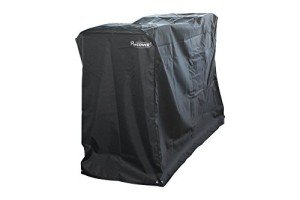
- Heavy Duty Covers: Generally 600D or higher. 600D Oxford cloth with a PVC or PU coating is considered the industry standard for maximum protection.
Waterproofing and Sealing
A fabric may be water-resistant, but "rainproof" requires specific manufacturing details. Look for covers that feature:
- PU or PVC Coating: A layer applied to the inside of the fabric to prevent water penetration.
- Taped Seams: The seams are where water most often leaks through. High-quality covers have waterproof tape heat-sealed over the stitching.
- Water Repellent Finish (DWR): An external coating that causes water to bead up and roll off the surface.
Comparison of Material Types
The following table compares common materials used in mobility scooter covers to help owners understand the trade-offs in durability and protection.
| Feature | Lightweight Polyester (190T/210D) | Mid-Weight Oxford (300D) | Heavy-Duty Oxford (600D+) |
|---|---|---|---|
| Durability | Low; prone to wind-tearing | Moderate | High; puncture-resistant |
| Water Resistance | Splash-proof | Moderate rain protection | Fully rainproof/Storm-rated |
| UV Protection | Minimal | Moderate | High (often UV treated) |
| Weight | Very Light | Moderate | Heavy |
| Best Use | Indoor dust protection | Occasional outdoor use | Permanent outdoor storage |
Key Features to Look For
When selecting a cover, functionality is just as important as the material. A heavy-duty cover should be easy to install while remaining secure in adverse weather conditions.
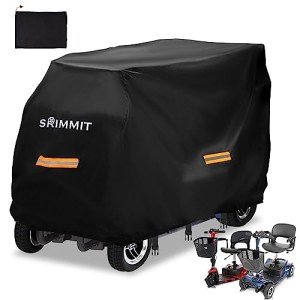
- Elasticated Hems: An elastic cord running through the bottom hem allows the cover to "hug" the base of the scooter, preventing wind from getting underneath and lifting the cover away.
- External Buckle Straps: These provide an extra layer of security, ensuring the cover stays in place even during high-wind storms.
- Air Vents: To prevent moisture buildup and mold, heavy-duty covers often feature integrated vents. These allow air to circulate while keeping rain out.
- Reflective Strips: Since scooters are often parked in driveways or near walkways, reflective strips increase visibility at night, preventing accidental collisions.
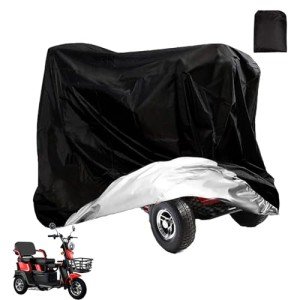
- Size Variety: Scooters come in three-wheel, four-wheel, and heavy-duty "pavement" varieties. A universal fit might be too loose, so choosing a cover designed for specific scooter classes (Small, Medium, or Large) is essential.
How to Measure for a Perfect Fit
A cover that is too large will sag and collect "pools" of water, which can eventually seep through. A cover that is too small will be under constant tension and may tear at the seams.
Follow these steps to measure a mobility scooter:
- Length: Measure from the furthest point of the front bumper to the furthest point of the rear bumper (or rear accessory like a basket).
- Width: Measure from the outside of the armrests or the widest point of the wheels.
- Height: Measure from the ground to the highest point (usually the top of the seat or the headrest).
Note: If the scooter has a permanent rear basket or an oxygen tank holder, ensure these are included in the length measurement.
Checklist: Quality Indicators for a Rainproof Cover
When inspecting a product, use this checklist to ensure it meets heavy-duty standards:
- Is the fabric 600D Oxford or higher?
- Are the internal seams heat-taped?
- Is there an adjustable drawstring or elastic hem?
- Does it include at least one under-chassis strap/buckle?
- Is the fabric treated with a UV-stabilizer found in the product description?
- Does it come with a storage bag for when the cover is not in use?
Maintenance and Care of the Cover
To ensure the cover lasts for several seasons, it requires its own set of maintenance routines.
- Regular Cleaning: Do not machine wash heavy-duty covers, as the agitation can damage the waterproof coating. Instead, use a soft brush and lukewarm water to remove dirt and bird droppings.
- Thorough Drying: Never fold and store a wet cover. This promotes the growth of mold and mildew, which can eventually transfer to the scooter's seat.
- Inspection: Periodically check the seams and straps for signs of wear. Small tears can often be repaired with waterproof gear tape before they become non-repairable.
Frequently Asked Questions (FAQ)
Q: Can I use a standard tarpaulin instead of a specialized scooter cover?A: While a tarp provides basic water protection, it lacks the breathability of a specialized cover. Tarps often trap condensation underneath, which can lead to rust and electronic failure. They also lack the fitted shape and secure fastening systems needed to stay on during wind.
Q: Is it safe to leave my scooter outside all winter with a heavy-duty cover?A: While a heavy-duty cover provides excellent protection, extreme cold can still affect battery health. If possible, it is recommended to bring the battery inside during freezing temperatures, even if the scooter remains under its cover.
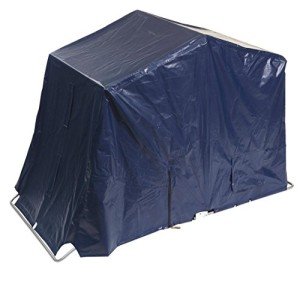
Q: Will a heavy-duty cover fit over a scooter with a canopy?A: Standard covers are usually designed for scooters without hard-top canopies. If a scooter has a canopy, owner will likely need a specialized "canopy cover" or a much larger size than the scooter’s base dimensions would suggest.
Q: How do I prevent the cover from blowing away?A: Ensure the cover has an elasticated hem and use the integrated buckle straps that pass under the scooter. If the cover is still loose, an additional bungee cord can be used around the middle.
A heavy-duty rainproof mobility scooter cover is a small investment that yields significant long-term dividends. By shielding a scooter from rain, sun, and debris, the cover extends the life of the motor, protects the integrity of the electronics, and maintains the comfort of the seating. When choosing a cover, prioritizing high denier counts, taped seams, and secure fastening systems will ensure that the scooter remains a reliable companion for years to come, regardless of what the weather may bring.