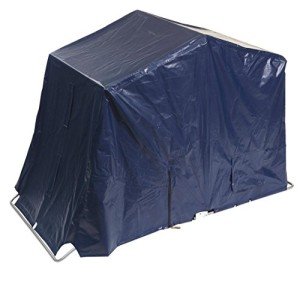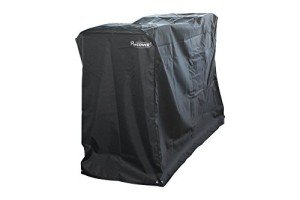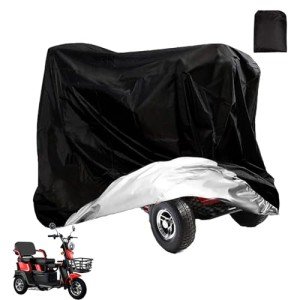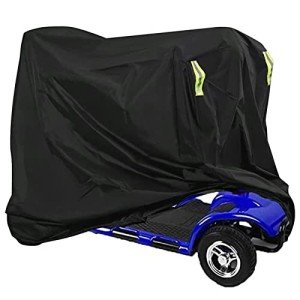


For many individuals, a mobility scooter is more than just a piece of equipment; it is a vital bridge to independence, community engagement, and daily freedom. Whether it is a 3-wheel travel model or a robust 4-wheel bariatric scooter, these machines represent a significant financial and personal investment. However, like any vehicle, they are susceptible to the elements.
The Heavy-Duty Waterproof Mobility Scooter Cover XL is specifically designed to safeguard these essential devices from the rigors of outdoor storage and unpredictable weather. This guide explores the technical specifications, benefits, and maintenance requirements of high-quality XL covers to help owners make an informed decision for their mobility needs.
Why Heavy-Duty and Why XL?
Standard covers often fall short in two key areas: durability and dimensions. Many generic covers are made from thin, parachute-like material that tears easily when caught on a tiller or mirror. Furthermore, they are often sized for compact travel scooters, leaving larger, high-performance models partially exposed.
An XL (Extra Large) designation typically indicates that the cover is built to accommodate larger 4-wheel models, scooters with headrests, rear baskets, or even oxygen tank holders. By opting for a heavy-duty material—usually measured in "Denier" (D) units—users ensure that the fabric can withstand high winds, intense UV rays, and heavy precipitation without degrading.
Comparison: Standard vs. Heavy-Duty XL Covers
| Feature | Standard Mobility Cover | Heavy-Duty Waterproof XL Cover |
|---|---|---|
| Material Density | 190T or 210D Polyester | 600D Oxford Cloth or higher |
| Weather Resistance | Water-resistant (Mist only) | Fully Waterproof (PU Coating) |
| UV Protection | Minimal | High (UV-treated layers) |
| Fit | Loose/Generic | Tailored XL with adjustable hems |
| Durability | 6–12 Months | 2–5 Years |
| Wind Protection | Limited (Flaps in wind) | Built-in buckles and elastic hems |
Key Features of a Premium Heavy-Duty XL Cover
When searching for the ideal protection, one should look for specific technical features that separate a basic tarp from a high-performance scooter cover.
1. 600D Marine-Grade Fabric
The term "600D" refers to the thickness of the fibers in the fabric. A 600D Oxford polyester is considered the gold standard for outdoor covers. It provides the necessary weight to keep the cover from billowing in the wind while remaining flexible enough to fold easily.
2. Dual-Layer PU Coating and Taped Seams
Waterproofing is not just about the fabric; it is about the construction. A top-tier cover features a Polyurethane (PU) coating on the interior. Most importantly, the seams—the points where the fabric is stitched together—should be heat-taped. Taped seams prevent water from seeping through the needle holes during heavy downpours.
3. Integrated Air Vents
A common mistake in scooter storage is sealing the unit too tightly. Without air circulation, moisture from the ground can evaporate and become trapped under the cover, leading to condensation. This can corrode the electronics and cause mold on the seat. Heavy-duty covers include covered air vents to allow moisture to escape while keeping rain out.
4. Windproof Security
An XL cover has a large surface area, which can act like a sail in a storm. To prevent the cover from blowing away, quality models feature:
- Elasticized Hems: To hug the wheels and base.
- Adjustable Buckle Straps: These run underneath the scooter to lock the cover in place.
- Grommets: Metal-reinforced holes that allow for the use of a cable lock for added security.
Technical Specifications: Finding the Right Fit
Before purchasing, it is critical to measure the scooter accurately. Most XL covers are designed to fit the most popular large-scale models.
Recommended Dimensions for XL Covers
| Specification | Dimension (Approximate) |
|---|---|
| Total Length | 55 - 67 Inches (140 - 170 cm) |
| Total Width | 26 - 32 Inches (66 - 81 cm) |
| Total Height | 36 - 48 Inches (91 - 122 cm) |
| Compatibility | Large 4-Wheelers, Bariatric Models, All-Terrain Scooters |
How to Measure Your Scooter
- Length: From the front bumper to the furthest point at the rear (including baskets).
- Width: Across the widest part (usually the armrests or rear wheels).
- Height: From the ground to the top of the seat back or tiller (whichever is higher).
The Benefits of Using an XL Cover
Prolonging Battery Life
Extreme temperature fluctuations can negatively impact the lifespan of lead-acid and lithium batteries. While a cover does not provide insulation like a room, it does reflect direct sunlight, keeping the battery compartment cooler in summer and shielding it from the "wind chill" effect in winter.
Electronics Protection
The dashboard and tiller contain sensitive circuit boards. Moisture ingress is the leading cause of electronic failure in mobility scooters. A heavy-duty waterproof cover ensures that the control panel remains dry even during a seasonal thunderstorm.
Hygiene and Comfort
Leaving a scooter outdoors exposes the seat to bird droppings, tree sap, and dust. A cover ensures that when the user is ready to go, the seat is clean and dry. Furthermore, UV-treated fabrics prevent the upholstery from cracking or fading due to sun exposure.
Maintenance and Care for Your Cover
To ensure the cover lasts as long as the scooter it protects, a basic maintenance routine should be followed:
- Regular Cleaning: Dust and dirt can hold moisture against the fabric. Wipe the cover down with a damp cloth and mild soap. Avoid harsh detergents or machine washing, as this can strip the waterproof PU coating.
- Dry Before Folding: If the cover is taken off after a rainstorm, do not fold it and store it immediately. Hang it up to dry to prevent mildew growth.
- Check Straps: Periodically inspect the buckle straps and elastic for signs of fraying or loss of elasticity.
Frequently Asked Questions (FAQ)
1. Is an XL cover too big for a standard-sized scooter?
While an XL cover can be used on a smaller scooter, the excess fabric may drape on the ground, creating a tripping hazard or allowing pests to nest inside. It is always better to match the cover size as closely as possible to the measurements of the vehicle.
2. Can I use the cover while transporting the scooter on a rear hitch rack?
Generally, no. Most mobility scooter covers are designed for stationary storage. The high-speed wind resistance on a highway can cause the fabric to shred or creates a "parachute effect" that could damage the vehicle's hitch or the scooter itself. For transport, look for "trailerable" specific covers.
3. Will this cover protect my scooter from snow?
Yes. A heavy-duty 600D cover is designed to handle snow. However, it is recommended to brush heavy snow accumulation off the cover to prevent the weight from putting undue stress on the scooter’s tiller or mirrors.
4. How do I prevent mold from growing under the cover?
Check your cover for built-in air vents. If your cover does not have them, try to remove the cover on dry, sunny days to let the scooter "air out." Ensure the scooter is completely dry before covering it.
5. Are these covers fireproof?
Most are made of polyester, which is not fireproof. They are often treated with flame retardants, but they should be kept away from open flames or high-heat sources like space heaters.
Investing in a Heavy-Duty Waterproof Mobility Scooter Cover XL is an essential step in maintaining the longevity and reliability of a mobility aid. By choosing a high-density 600D fabric with waterproof coating and windproof features, users can rest easy knowing their "wheels" are protected from rust, electronic failure, and physical wear.
Taking the time to measure the scooter accurately and ensuring the cover is properly secured will provide years of protection, ensuring that the mobility scooter remains ready for the next adventure, regardless of the weather outside. For those with larger scooters, the XL size is not just a luxury—it is a necessity for total coverage and peace of mind.