




Navigating the transition between a roadway and a driveway can often present a physical challenge for vehicles and pedestrians alike. Whether it is a steep driveway entrance, a construction site ledge, or a warehouse threshold, the vertical displacement of a standard kerb can cause significant wear and tear on vehicles. Heavy-duty rubber kerb ramps, particularly when sold as a set of two, have emerged as the industry-standard solution for bridging this gap safely and efficiently.
This guide explores the technical specifications, benefits, applications, and maintenance of heavy-duty rubber kerb ramps, providing a detailed overview for homeowners, facility managers, and construction professionals.
What Are Heavy-Duty Rubber Kerb Ramps?
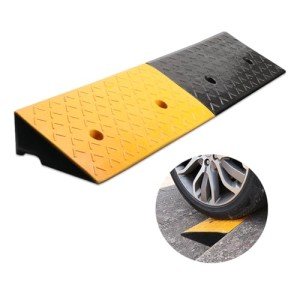
Heavy-duty rubber kerb ramps are portable or semi-permanent inclined planes designed to provide a smooth transition over uneven surfaces. Manufactured from high-density, industrial-grade recycled rubber, these ramps are engineered to withstand immense pressure—ranging from passenger cars to heavy-duty freight trucks.
The "Set of 2" configuration is the most common purchasing option because it aligns perfectly with the axle width of standard four-wheeled vehicles. By placing one ramp under each tire, motorists can ascend or descend kerbs without the jarring impact that leads to suspension damage or tire misalignment.
Technical Specifications: A Closer Look
When selecting a set of kerb ramps, understanding the technical data is essential to ensure they meet the specific requirements of the environment.
Table 1: Standard Technical Specifications for Heavy-Duty Kerb Ramps
| Feature | Specification Detail |
|---|---|
| Material | High-density vulcanized recycled rubber |
| Weight Capacity | 5,000 kg to 20,000 kg (per pair) |
| Standard Height | 100mm to 150mm (adjustable models available) |
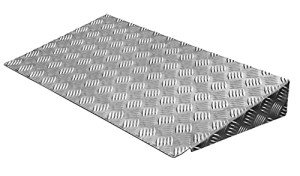
| Surface Texture | Non-slip "diamond plate" or "grid" pattern |
| Reflectivity | High-visibility yellow safety strips |
| Drainage Features | Built-in water channels (undercut design) |
| Mounting | Pre-drilled holes for permanent fixings |
Why Choose Rubber Over Other Materials?
While kerb ramps can be manufactured from plastic or even improvised using timber or concrete, rubber remains the preferred material for industrial and residential use.
1. Durability and Resilience
Unlike plastic, which can become brittle in freezing temperatures or crack under extreme weight, rubber is naturally flexible. It absorbs impact rather than resisting it, allowing the ramp to maintain its structural integrity over years of heavy use.
2. Grip and Traction
The inherent "tacky" nature of rubber, combined with molded surface patterns, provides superior traction. This is critical during inclement weather—such as rain, snow, or frost—where metal or plastic surfaces might become dangerously slick.
3. Noise Reduction
One often-overlooked benefit of rubber is its acoustic properties. When a vehicle drives over a metal ramp, it produces a loud, hollow clatter. Rubber dampens this sound, making it an ideal choice for residential neighborhoods where early morning or late-night arrivals could otherwise disturb residents.
Table 2: Material Comparison: Rubber vs. Plastic vs. Concrete
| Feature | Rubber Ramps | Plastic Ramps | Concrete (Permanent) |
|---|---|---|---|
| Portability | High | Very High | None |
| Weight Capacity | Extreme | Moderate | High |
| Weather Resistance | Excellent | Fair (UV sensitive) | High |
| Noise Level | Silent/Dampened | Loud/Clicky | Low |
| Installation | Immediate | Immediate | Labor Intensive |
Key Features to Look For
To ensure maximum safety and longevity, high-quality kerb ramps incorporate several specific design elements:
- Integrated Drainage Channels: Quality ramps feature a "tunnel" or channel on the underside. This allows rainwater to flow freely along the gutter line, preventing puddles from forming and reducing the risk of localized flooding or ice accumulation.
- High-Visibility Safety Strips: To prevent tripping hazards for pedestrians and to assist drivers in low-light conditions, heavy-duty ramps usually feature bright yellow reflective tape or molded-in plastic reflectors.
- Pre-Drilled Bolt Holes: For locations where the ramps will remain permanently, such as a warehouse loading dock, pre-drilled holes allow the units to be bolted into the asphalt or concrete.
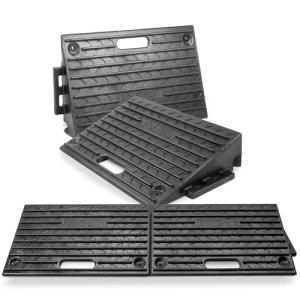
- Modular Design: While often sold as a set of two, many rubber ramps are designed with interlocking ends, allowing multiple units to be joined together to create a continuous ramp for wider vehicles or pallet jacks.
Common Applications
The versatility of heavy-duty rubber kerb ramps makes them suitable for a wide variety of sectors:
Residential Use
Homeowners with low-profile sports cars often use these ramps to prevent the front bumper or undercarriage from scraping against a steep driveway apron. They are also frequently used for caravans, trailers, and boats.
Commercial and Industrial Facilities
In warehouses, these ramps facilitate the movement of forklifts and pallet jacks over small floor height changes. They are also essential in loading docks to bridge the gap between the road surface and the warehouse floor.
Public Spaces and Accessibility
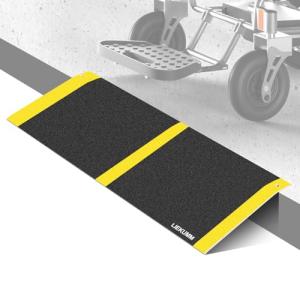
While primarily used for vehicles, these ramps can also assist in making temporary events more accessible. They provide a sturdy transition for wheelchairs, mobility scooters, and prams where permanent ramps are not available.
Construction Sites
Construction zones often have temporary cables or pipes crossing roadways. Heavy-duty rubber ramps can protect these utilities while allowing heavy machinery to pass over them without interruption.
Installation and Maintenance
One of the secondary benefits of rubber kerb ramps is the ease of installation. However, proper placement and upkeep are required to ensure safety.
Installation Checklist:
- Clean the Surface: Ensure the gutter or kerb area is free of debris, stones, or thick mud.
- Alignment: Place the two ramps parallel to each other, measured to the width of the vehicle’s tires.
- Testing: Drive over the ramps at a low speed to ensure they do not shift.
- Securing (Optional): If the ramps are to be permanent, use an SDS drill to create pilot holes in the ground and secure the ramps with expansion bolts.
Maintenance Tips:
- Regular Cleaning: Sweep away leaves and dirt that may clog the drainage channels.
- Inspection: Periodically check the reflective strips for peeling and replace them if visibility is compromised.
- Bolt Tightening: If bolted down, check every six months to ensure the fixings have not loosened due to vibration.
Frequently Asked Questions (FAQ)
1. Can heavy-duty rubber ramps be used for semi-trucks?Yes, most industrial-grade rubber ramps are rated for high weight capacities, often up to 20 tonnes per set. However, users should always verify the specific load rating provided by the manufacturer before use.
2. Are these ramps legal to leave on a public road?Regulations vary significantly by jurisdiction. In many residential areas, it is illegal to leave ramps on a public road permanently as they may obstruct street cleaning or drainage. It is recommended to check with local council or municipal bylaws.
3. Will the rubber smell?New rubber products often have a distinct "industrial" odor due to the vulcanization process. When used outdoors, this scent typically dissipates within a week or two.
4. How do I prevent the ramps from being stolen?If the ramps are not bolted down, they are relatively easy to remove. For those concerned about theft, frequent users often choose to bring the ramps inside the garage after use, or they use the pre-drilled holes to secure them with heavy-duty masonry bolts.
5. Do they work on curved kerbs?Standard straight ramps work best on straight kerbs. For cul-de-sacs or curved driveways, the ramps may not sit perfectly flush against the kerb, though the weight of the vehicle usually keeps them stable during use.
Heavy-duty rubber kerb ramps (set of 2) represent an essential investment for anyone looking to protect their vehicle and improve site accessibility. By offering a blend of durability, safety features, and ease of use, they eliminate the jarring impacts associated with uneven kerbs. Whether for a private driveway or a busy commercial loading bay, these ramps provide a reliable, quiet, and long-lasting solution to one of the most common logistical hurdles in modern transportation.