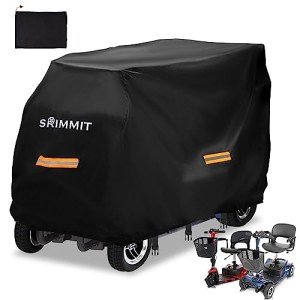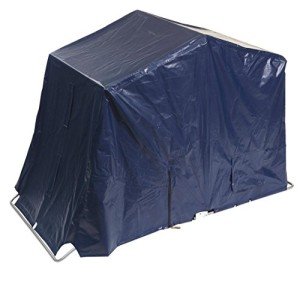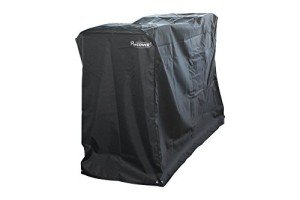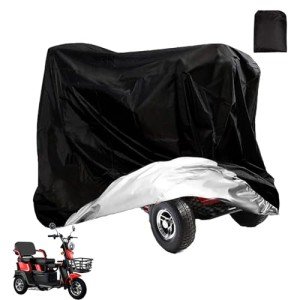

For many individuals, a mobility scooter is more than just a piece of medical equipment; it is a vital gateway to independence, social engagement, and daily freedom. However, these sophisticated machines represent a significant financial investment and are packed with sensitive electronics and upholstery that are vulnerable to the elements. Whether a scooter is stored outdoors on a patio or simply left briefly in a parking area, exposure to rain, sun, and debris can lead to costly repairs and a shortened lifespan.
This guide explores the necessity of heavy-duty waterproof covers, detailing their construction, benefits, and how to select the ideal option to ensure a mobility scooter remains in peak condition for years to come.
The Critical Importance of Weather Protection
Mobility scooters are designed for outdoor use, but they are not intended to be submerged or left in persistent dampness. The control panel (tiller), battery compartment, and motor housing are all susceptible to moisture ingress. Once water penetrates these components, it can cause short circuits, corrosion, and permanent electronic failure.
Furthermore, long-term exposure to Ultraviolet (UV) radiation from the sun can degrade the integrity of the plastic fairings and cause the upholstery on the seat to crack and fade. A heavy-duty waterproof cover acts as a primary secondary skin, shielding the vehicle from these environmental hazards.
The Dangers of Standard vs. Heavy-Duty Covers
While lightweight covers are available, they often lack the durability required for true outdoor protection. They are prone to tearing in high winds and may "sweat," trapping moisture underneath the fabric. Heavy-duty covers are engineered with thicker materials and specialized coatings to withstand harsh conditions.
Key Features of Heavy-Duty Waterproof Covers
When evaluating a cover, certain technical specifications indicate its quality and longevity. Understanding these features helps owners make an informed decision.
1. Material and Denier Rating
The strength of a fabric is often measured in "Denier" (D). A higher denier indicates a thicker, more durable thread. For mobility scooters, a 600D Oxford fabric is considered the gold standard for heavy-duty protection. It offers a high resistance to punctures and abrasions compared to 210D or 300D alternatives.
2. Waterproofing and UV Coatings
Material alone is rarely enough. High-quality covers feature a Polyurethane (PU) or Polyvinyl Chloride (PVC) inner coating. This layer ensures that water beads off the surface rather than soaking through. Additionally, UV-resistant treatments prevent the fabric from becoming brittle after months in the sun.
3. Seam Construction
The seams are often the weakest point of any cover. Heavy-duty models utilize double-stitched seams and, in premium versions, heat-sealed tape over the internal stitching to ensure no water can leak through the needle holes.
4. Ventilation
True heavy-duty covers include air vents. This may seem counterintuitive for a waterproof item, but ventilation is crucial. It allows air to circulate, preventing the buildup of condensation and mold on the scooter’s seat and electronics.
Comparing Fabric Types and Their Performance
The following table provides a comparison of common materials used in mobility scooter covers to highlight why heavy-duty options are superior.
Table 1: Mobility Scooter Cover Material Comparison
| Feature | Lightweight Polyester (190T/210D) | Standard Oxford Fabric (300D) | Heavy-Duty Oxford Fabric (600D) |
|---|---|---|---|
| Water Resistance | Moderate (Water repellent) | High (Waterproof coating) | Superior (Multi-layered coating) |
| Tear Resistance | Low (Easily punctured) | Moderate | Very High (Rip-stop weave) |
| UV Protection | Poor (Fades quickly) | Moderate | Excellent (UV-treated) |
| Best Use Case | Indoor dust protection | Short-term outdoor use | Year-round outdoor storage |
| Lifespan | 6–12 months | 1–2 years | 3–5+ years |
Seasonal Protection Benefits
A heavy-duty cover is not just for the rainy season. It provides a multi-faceted defense against various seasonal challenges as described below.
Table 2: Seasonal Hazards and Cover Benefits
| Season | Environmental Hazard | Role of the Heavy-Duty Cover |
|---|---|---|
| Winter | Snow, Ice, and Salt | Prevents ice from freezing switches; protects metal from salt corrosion. |
| Spring | Heavy Rain and Pollen | Keeps electronics dry; prevents pollen buildup in mechanical joints. |
| Summer | Intense UV and Heat | Reflects heat to keep the seat cool; prevents plastic from warping. |
| Autumn | Falling Leaves and Sap | Protects the footwell from debris; prevents acidic sap from staining finish. |
Essential Design Elements for Practical Use
A cover that is difficult to use will often be left in the closet. Therefore, the design of the cover is as important as the material.
- Elasticized Hems: A continuous elastic cord around the bottom edge allows the cover to "grip" the wheels and base of the scooter, providing a snug fit.
- Security Straps and Buckles: In windy conditions, elastic may not be enough. Heavy-duty covers feature "over-and-under" straps that buckle beneath the chassis to prevent the cover from blowing away.
- Reflective Strips: For scooters parked in communal areas or near driveways, reflective piping increases visibility at night, preventing accidental bumps from pedestrians or vehicles.
- Storage Bag: Most heavy-duty covers are bulky. A dedicated compression bag makes it easier to store the cover in the scooter's basket when not in use.
How to Measure a Scooter for a Cover
To ensure maximum protection, the cover must fit correctly. A cover that is too small will put stress on the seams, while one that is too large will catch the wind like a sail.
Steps for Measurement:
- Length: Measure from the very front of the basket or bumper to the back of the rear wheels or anti-tip bars.
- Width: Measure the widest point, usually at the armrests or the rear axle.
- Height: Measure from the ground to the highest point (usually the top of the headrest or the tiller).
Note: Always choose a cover that is 2–4 inches larger than the scooter's dimensions to allow for easy application and removal.
Maintenance and Care of the Cover
To extend the life of a heavy-duty cover, one should follow these maintenance tips:
- Cleaning: Hand-wash the cover using lukewarm water and a mild detergent. Avoid machine washing, as the agitation can strip the waterproof PU coating.
- Drying: Always hang the cover to air dry completely before folding it. Storing a damp cover can lead to mildew.
- Avoid Heat: Never place the cover in a tumble dryer or near a direct heat source.
Frequently Asked Questions (FAQ)
Can I use the cover while the scooter is being transported on a vehicle rack?
Generally, no. Most heavy-duty covers are designed for stationary storage. The high-velocity wind experienced during highway driving can cause the fabric to flap violently, potentially damaging the cover or the scooter. For transport, specialized "travel covers" with reinforced tie-down points are recommended.
Is a waterproof cover 100% moisture-proof?
No cover provides a vacuum seal. While the fabric is waterproof, humidity in the air can still settle under the cover. This is why choosing a cover with air vents is essential to allow that moisture to evaporate.
How do I prevent the cover from pooling water on top?
If the cover sags in the middle, water can pool, which may eventually seep through or stress the fabric. One can place a small ball or a cardboard box on the seat/tiller area before covering to create a "peak," allowing water to run off naturally.
Will a heavy-duty cover protect my battery from freezing?
A cover provides a layer of insulation, but it does not generate heat. In extremely cold climates, it is still advisable to remove the battery and store it indoors, even if the scooter remains covered outside.
Can the cover be used indoors?
Yes. While its primary purpose is outdoor protection, it is excellent for indoor storage to prevent dust accumulation and to protect the scooter from pets or accidental scratches.
A mobility scooter is a vital asset that provides the user with the ability to navigate the world with confidence. Protecting that asset with a heavy-duty waterproof cover is a proactive and cost-effective measure. By prioritizing high-grade fabric like 600D Oxford, ensuring proper seam sealing, and selecting a design with adequate ventilation and security straps, owners can safeguard their equipment against the unpredictable nature of the weather. Investing in a high-quality cover today ensures that the scooter remains a reliable companion for many years to come.