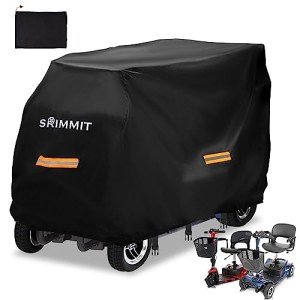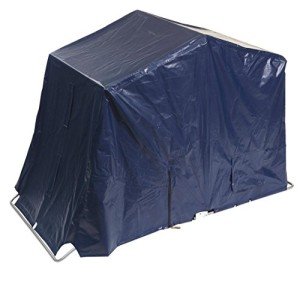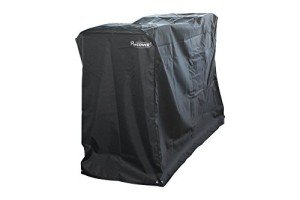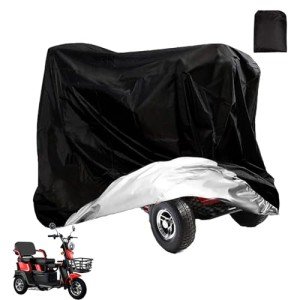

For individuals who rely on mobility scooters, these devices are more than just pieces of equipment; they are vital conduits to independence, community engagement, and daily functionality. Given the significant financial investment and the essential role these vehicles play, safeguarding them against the elements is a priority for every owner. While indoor storage is ideal, it is not always possible, and even indoor environments can harbor dust and moisture. This is where a heavy-duty waterproof mobility scooter cover becomes an indispensable accessory.
This guide explores the technical specifications, benefits, and selection criteria for high-quality scooter covers, providing a comprehensive overview for those looking to extend the lifespan of their mobility aids.
The Critical Need for Protective Covering
Mobility scooters are sophisticated machines equipped with sensitive electronics, transaxles, and upholstered seating. Prolonged exposure to environmental stressors can lead to premature wear, mechanical failure, and a decrease in resale value.
1. Moisture and Precipitation
Rain, snow, and even heavy dew can wreak havoc on a scooter’s control panel (tiller). Water ingress into the electronics can cause short circuits, leading to costly repairs or total system failure. Furthermore, moisture promotes rust on metal frames and hardware.
2. Ultraviolet (UV) Radiation
Constant exposure to the sun’s UV rays can cause plastic fairings to become brittle and crack. Upholstery on seats is particularly vulnerable, often fading and splitting over time when left unprotected.
3. Dust and Debris
Even when stored in a garage, a scooter can accumulate dust, which can find its way into the motor assembly or the charging port, potentially causing overheating or connectivity issues.
Key Features of Heavy-Duty Over Regular Covers
Not all covers are created equal. While lightweight "dust covers" may suffice for overnight indoor use, outdoor protection requires a "heavy-duty" designation.
Material Density (The Denier Scale)
The strength of a cover is often measured in "Denier" (D). A higher denier count indicates a thicker, more durable thread.
- Standard Covers: Usually 190T to 210D polyester.
- Heavy-Duty Covers: Typically 600D Oxford fabric or higher, often reinforced with PVC or polyurethane (PU) backing.
Comparison: Standard vs. Heavy-Duty Covers
| Feature | Standard Lightweight Cover | Heavy-Duty Waterproof Cover |
|---|---|---|
| Material | 190T - 210D Polyester | 600D - 900D Oxford Cloth |
| Water Resistance | Water-resistant (light spray) | 100% Waterproof (heavy rain) |
| UV Protection | Minimal | High (UV-treated coatings) |
| Wind Resistance | Prone to tearing or blowing off | Heavyweight with secure buckled straps |
| Durability | 6–12 months | 3–5+ years |
| Best Use | Indoor storage/Temporary shade | Year-round outdoor storage |
Technical Design Elements to Look For
When selecting a heavy-duty cover, certain design elements distinguish a professional-grade product from a budget alternative.
1. Taped Seams
Waterproof fabric alone is not enough. Water often enters through the needle holes where the fabric panels are sewn together. High-quality covers feature "taped seams," where a waterproof strip is heat-sealed over the stitching to ensure no leaks occur.
2. Elasticated Hems and Security Straps
Wind is a significant enemy of outdoor covers. A heavy-duty cover should feature a strong elastic cord around the bottom hem to provide a snug fit. Additionally, adjustable "under-chassis" straps with click-close buckles prevent the cover from acting like a sail and blowing away during storms.
3. Ventilation Vents
Complete sealing can lead to condensation buildup underneath the cover, which may cause mold or corrosion. Premium covers include covered air vents that allow air to circulate while keeping rain out.
4. Reflective Strips
For scooters parked in driveways or near walkways, reflective strips are a vital safety feature. They ensure the covered vehicle is visible to motorists and pedestrians at night, preventing accidental collisions.
Measuring for the Perfect Fit
A cover that is too small will put stress on the seams and fail to cover the wheels, while a cover that is too large will flap in the wind and collect pools of water.
Steps to accurately measure a mobility scooter:
- Length: Measure from the furthest point of the front bumper to the furthest point of the rear (including any rear baskets or oxygen tank holders).
- Width: Measure across the widest part, usually the armrests or the tiller handles.
- Height: Measure from the ground to the highest point, typically the top of the headrest or the tiller.
Typical Size Chart for Heavy-Duty Covers
| Scooter Size Class | Average Length | Average Width | Recommended Cover Size |
|---|---|---|---|
| Compact/Travel | 35" - 42" | 18" - 20" | Small |
| Mid-Size/Standard | 43" - 50" | 20" - 24" | Medium |
| Heavy-Duty/Bariatric | 50" - 60" | 24" - 30" | Large/XL |
Maintenance and Care of the Cover
To ensure the cover lasts for several years, owners should follow a basic maintenance routine:
- Cleaning: Avoid machine washing. Instead, use a soft brush and lukewarm water with mild soap to wipe down the exterior.
- Drying: Always allow the cover to air dry completely before folding it for storage. Storing a wet cover leads to mildew.
- Chemicals: Do not use harsh detergents or bleach, as these can strip the waterproof PU or PVC coating from the fabric.
The Economic Benefits
While a heavy-duty cover requires a higher upfront cost (typically ranging from £40 to £100) compared to a £15 plastic sheet, the long-term savings are substantial. By preventing upholstered seats from cracking and protecting the electronic transaxle from water damage, a cover can save a scooter owner hundreds, if not thousands, of dollars in repair costs and part replacements.
Frequently Asked Questions (FAQ)
Can the cover be used while the scooter is being transported on a vehicle rack?
Generally, no. Most heavy-duty covers are designed for stationary storage. The high-velocity wind experienced on a highway can cause the cover to flap violently, potentially tearing the fabric or creating a hazard for other drivers. Specific "travel covers" are available for this purpose.
Is the cover 100% waterproof or just water-resistant?
Heavy-duty covers made from 600D Oxford fabric with PU backing and taped seams are effectively 100% waterproof. However, lower-grade polyester covers are often only "water-resistant," meaning they will eventually soak through in heavy or prolonged rain.
Should the battery be removed if the scooter is covered outside for the winter?
Yes. While the cover protects the exterior, extreme cold can still degrade battery chemistry. It is recommended to remove the batteries and store them in a cool, dry, indoor location, keeping them charged periodically.
How do I prevent the cover from "pooling" water on top?
If the scooter has a flat seat and a low tiller, water may pool in the center of the cover. Placing a small ball or a dedicated "support pole" on the seat before covering can create a "tent" effect, allowing water to shed off the sides.
Can a cover help prevent theft?
To an extent, yes. A heavy-duty cover acts as a visual deterrent. It hides the make and model of the scooter and adds an extra layer of difficulty for an opportunist. Many covers also feature "lock holes" at the bottom to allow a cable lock to pass through both the cover and the scooter frame.
A mobility scooter is an investment in freedom. Protecting that investment with a heavy-duty waterproof cover is one of the most cost-effective ways to ensure reliability and comfort. By choosing a cover with a high denier count, taped seams, and secure fastening systems, scooter owners can rest easy knowing their vehicle is shielded from the unpredictable elements of nature. Whether facing the scorching summer sun or the drenching rains of autumn, a quality cover stands as the first line of defense for continued mobility.