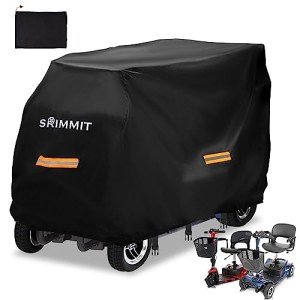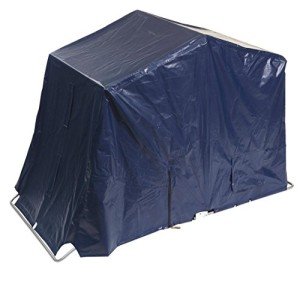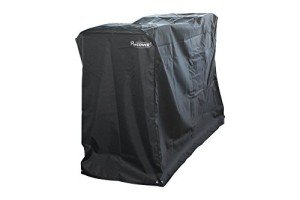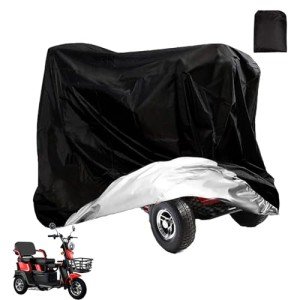

For many individuals, a mobility scooter represents more than just a piece of machinery; it is a vital tool for independence, a bridge to the outside world, and a significant financial investment. Whether used for daily errands or occasional outings, these devices are high-tech pieces of equipment filled with sensitive electronics and mechanical components. However, exposure to the elements—rain, sun, dust, and snow—can quickly lead to degradation, mechanical failure, or aesthetic wear.
This is where the heavy-duty waterproof mobility scooter cover becomes an indispensable accessory. This guide explores the critical role these covers play, the features that define a high-quality protector, and how to choose the right one to ensure the longevity of a mobility aid.
Why Quality Protection is Non-Negotiable
A mobility scooter is exposed to various environmental threats every time it is parked outside or stored in a garage. Without a heavy-duty cover, the following issues often arise:
- Electronic Vulnerability: The control panel (tiller) and battery system are highly sensitive to moisture. Even a light drizzle can seep into the wiring, leading to short circuits or complete electrical failure.
- Corrosion and Rust: Metal components, including the frame and moving parts, are susceptible to oxidation when moisture is trapped against them.
- UV Degradation: Constant exposure to the sun’s ultraviolet rays can cause the scooter’s plastic fairings to become brittle and the seat upholstery to crack or fade.
- Environmental Contaminants: Bird droppings, tree sap, and dust are not just unsightly—they can be acidic or abrasive, causing permanent damage to the paintwork or clogging mechanical joints.
Key Features of Heavy-Duty Waterproof Covers
Not all covers are created equal. When shopping for a "heavy-duty" option, certain technical specifications differentiate a premium product from a flimsy tarpaulin.
1. High-Grade Material (Denier Count)
The thickness and durability of a cover are often measured in "Denier" (D). A heavy-duty cover typically uses 420D or 600D Oxford cloth. These materials offer a high strength-to-weight ratio, ensuring the cover does not tear easily when pulled over the scooter's corners.
2. Dual-Layer Coating
A truly waterproof cover utilizes a two-step defense. The outer layer is usually treated with a Durable Water Repellent (DWR) finish, while the underside features a PVC or polyurethane (PU) coating. This creates a barrier that prevents water molecules from penetrating the fabric fibers.
3. Reinforced Seams
Even the best fabric will fail if the seams are weak. High-quality covers feature "taped seams," where a waterproof strip is heat-sealed over the stitching to prevent water from leaking through the needle holes.
4. Ventilation and Airflow
Total sealing can be counterproductive. Without airflow, temperature changes can cause condensation to build up underneath the cover, leading to mold or mildew. Heavy-duty covers often include covered air vents that allow moisture to escape while preventing rain from entering.
Comparison of Mobility Scooter Cover Materials
| Feature | Lightweight Polyester (190T/210D) | Heavy Duty Oxford Cloth (420D/600D) | Commercial Grade PVC/Vinyl |
|---|---|---|---|
| Durability | Low (Tears easily) | High (Abrasion resistant) | Very High |
| Waterproofing | Water-resistant (not proof) | Excellent (with PU coating) | 100% Waterproof |
| Breathability | Moderate | High (if vented) | Low (prone to condensation) |
| UV Protection | Minimal | Excellent | Moderate |
| Best Use | Short-term indoor storage | All-weather outdoor storage | Extreme snow/heavy rain |
The Benefits of Investing in a Premium Cover
Choosing a heavy-duty option over a budget alternative yields several long-term advantages for the user:
- Extended Battery Life: Batteries perform best when kept dry and at stable temperatures. A thick cover provides a layer of insulation against extreme cold and prevents moisture from affecting the charging ports.
- Reduced Maintenance Costs: By keeping the mechanical parts clean and dry, the frequency of professional servicing and the need for part replacements are significantly reduced.
- Preserved Resale Value: A scooter that looks brand new because it has been shielded from the sun and rain will command a much higher price should the owner decide to upgrade.
- Convenience: A clean scooter is ready to use immediately. There is no need to wipe down a wet seat or scrub off bird droppings before heading out.
How to Choose the Correct Size
A cover that is too small will not provide full protection, and one that is too large will flap in the wind, potentially causing the scooter to tip or the fabric to chafe against the paint.
Necessary Measurements:
To find the perfect fit, one must measure the scooter at its widest and tallest points:
- Length: From the front bumper to the rear (including any rear baskets).
- Width: Usually the distance between the armrests or the width of the handlebars.
- Height: From the ground to the top of the tiller or the top of the headrest.
Checklist for a Secure Fit:
- Elasticized Hem: Does the bottom edge snap snugly around the wheels?
- Drawstrings or Buckles: Are there straps that run under the chassis to secure the cover during high winds?
- Universal vs. Custom: While universal covers fit most 3-wheel and 4-wheel scooters, always check the specific dimensions provided by the manufacturer.
Maintenance and Care for the Cover
To ensure the cover itself lasts for several years, a small amount of maintenance is required:
- Keep it Clean: Periodically brush off loose dirt. If a deeper clean is needed, use lukewarm water and a mild soap. Avoid harsh detergents or machine washing, as this can strip the waterproof coating.
- Dry Before Folding: Never fold and store a wet cover. This promotes the growth of mold and can weaken the fabric over time.
- Check for Sharp Edges: Ensure the scooter doesn’t have broken plastic or sharp accessories that could puncture the fabric when pulling the cover on.
- UV Spray: Every few years, applying a fabric UV-protectant spray can help revitalize the material’s resistance to sun damage.
Frequently Asked Questions (FAQ)
Q: Can I use a heavy-duty cover while the scooter is being transported on a trailer?A: It is generally not recommended unless the cover is specifically labeled as "towable." Standard covers can balloon due to wind resistance at highway speeds, which can tear the fabric or create dangerous driving conditions. For transport, look for reinforced travel covers with extra tie-down points.
Q: Will a waterproof cover prevent my scooter from rusting completely?A: While it significantly reduces the risk by blocking direct rain, it cannot stop rust caused by ambient humidity. Ensuring the cover has proper ventilation is key to preventing the "sauna effect" where moisture is trapped inside.
Q: Is it better to have a cover that reaches the ground?A: A cover should ideally sit just above the ground. This allows air to circulate underneath and prevents the bottom of the cover from sitting in puddles or soaking up ground moisture through capillary action.
Q: Can I put the cover on immediately after use?A: If the scooter has a motor that gets warm during use, it is best to let it cool for 10-15 minutes before covering it to prevent heat and condensation buildup.
A heavy-duty waterproof mobility scooter cover is more than just a piece of fabric; it is an insurance policy for mobility and freedom. For individuals who rely on their scooters for their daily livelihood, the small cost of a high-quality protector is miniscule compared to the cost of repairing water-damaged electronics or replacing a sun-bleached seat. By prioritizing materials like 600D Oxford cloth, ensuring a snug fit with wind-resistant straps, and maintaining the cover properly, users can ensure their mobility scooter remains a reliable companion for years to come.