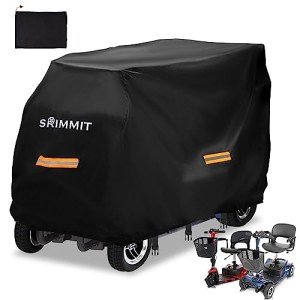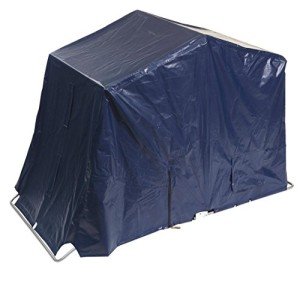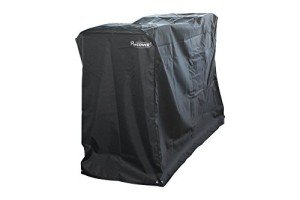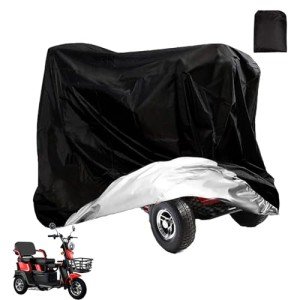

For many individuals, a mobility scooter represents more than just a piece of equipment; it is a gateway to independence, social interaction, and daily freedom. Given that these devices often represent a significant financial investment—frequently costing thousands of dollars—maintaining their structural and functional integrity is paramount. While indoor storage is ideal, it is not always possible. Even indoors, dust and moisture can take a toll. This is where a heavy-duty waterproof mobility scooter cover becomes an indispensable accessory.
This comprehensive guide explores the importance of high-quality covers, the technical specifications to look for, and how to ensure the longevity of both the cover and the scooter it protects.
Why a Heavy-Duty Cover is Necessary
Mobility scooters are complex machines housing sensitive electronics, transaxles, and battery systems. Exposure to the elements can lead to premature wear, electrical shorts, and mechanical failure. A heavy-duty cover serves as a multi-functional shield against several environmental threats.
1. Precipitation and Moisture
Rain, snow, and sleet are the primary enemies of a scooter’s control panel (tiller) and battery compartment. Even high-quality scooters are rarely fully submersible. Water ingress can cause the electronics to malfunction, leading to costly repairs or complete systemic failure.
2. UV Radiation and Heat
Prolonged exposure to the sun’s ultraviolet rays can cause plastic shrouds to become brittle and crack. Furthermore, UV rays can cause the upholstery on the seat to fade and disintegrate. A heavy-duty cover with UV-resistant coating reflects these rays, keeping the scooter cool and protecting its aesthetic and structural components.
3. Dust, Debris, and Corrosion
Whether stored in a garage or outside, dust can settle into moving parts and electrical contacts. In coastal areas, salt air can accelerate the corrosion of metal frames and connectors. A snug-fitting cover acts as a barrier against these microscopic threats.
Technical Specifications: What Makes a Cover "Heavy-Duty"?
Not all covers are created equal. Many "budget" options are made from thin polyester that tears easily and degrades under sunlight within a single season. A true heavy-duty cover is defined by its material weight, coating, and construction.
Material Weight (Denier)
The term "Denier" (D) refers to the thickness of the individual threads used in the fabric. For mobility scooter covers, the following standards generally apply:
| Feature | Standard Cover | Heavy-Duty Cover |
|---|---|---|
| Material | 190T - 210D Polyester | 600D - 800D Oxford Cloth |
| Waterproofing | Basic Spray Coating | Heavy PVC or PU Backing |
| Seams | Single Stitched | Double Stitched & Heat Taped |
| Durability | 6 - 12 Months | 2 - 5+ Years |
| Weight | Very Light / Flimsier | Substantial / Wind Resistant |
Waterproofing vs. Water Resistance
It is critical to distinguish between these two terms. A "water-resistant" cover will shed light rain but may eventually soak through during a heavy downpour. A "waterproof" heavy-duty cover typically features a heavy Polyurethane (PU) or Polyvinyl Chloride (PVC) lining on the interior, ensuring that no liquid penetrates the fabric.
Breathability and Ventilation
One common issue with fully waterproof covers is condensation. If temperature changes occur, moisture can become trapped under the cover, leading to mold on the seat or corrosion on the frame. Professional-grade covers include "air vents" that allow air to circulate while preventing rain from entering.
Key Features to Search For
When selecting a cover, certain design elements provide significantly better protection and ease of use.
- Elasticized Hems: An elastic cord around the bottom edge ensures a snug fit around the wheels, preventing the wind from catching the cover and blowing it away.
- Dual-Stitched Seams: To prevent water from leaking through needle holes, heavy-duty covers utilize double stitching.
- Heat-Sealed Tape: The highest quality covers feature waterproof tape applied over the interior seams.
- Grommets for Locking: Some covers include metal eyelets at the bottom, allowing the user to pass a chain or cable lock through the cover and the scooter frame for added security.
- Reflective Strips: For scooters parked in driveways or near traffic, reflective piping increases visibility at night, preventing accidental collisions.
Sizing and Fitment
A cover that is too small will not provide full coverage, while one that is too large will flap in the wind and collect water in "pools" on top. Most manufacturers offer covers based on the class of the scooter.
Common Size Categories
| Scooter Type | Average Length | Average Width | Recommended Cover Size |
|---|---|---|---|
| Travel / Portable | 35" - 40" | 18" - 20" | Small |
| Standard 3/4 Wheel | 40" - 48" | 20" - 24" | Medium |
| Large / Heavy Duty | 50" - 55" | 24" - 28" | Large |
| All-Terrain / Canopy | 55"+ | 28"+ | Extra-Large |
Note: Always measure the scooter with the seat in its highest position and include any rear-mounted accessories like baskets or oxygen tank holders.
Maintenance and Care of the Cover
To ensure the cover lasts as long as the scooter, it requires occasional maintenance. Owners should follow these best practices:
- Cleaning: Do not machine wash heavy-duty covers, as the agitation can strip the waterproof lining. Instead, use a soft brush, mild soap, and lukewarm water to spot clean.
- Drying: Always allow the cover to air dry completely before folding it for storage. Storing a wet cover can lead to mildew.
- Inspection: Periodically check for small punctures or thinning areas. Small tears can often be repaired with waterproof fabric patches or specialized outdoor gear tape.
- Application: When putting the cover on, ensure there are no sharp edges on the scooter (like broken plastic or customized metal brackets) that could snag the fabric.
Checklist for Potential Buyers
Before finalizing a purchase, the buyer should evaluate the product against this checklist:
- Is the fabric at least 600D Oxford cloth?
- Does it feature a PVC or PU inner coating?
- Are the seams taped and heat-sealed?
- Does it include built-in air vents to prevent condensation?
- Are there security grommets or a drawstring/elastic hem for high winds?
- Is the size compatible with both the length and the height of the scooter?
Frequently Asked Questions (FAQ)
1. Can the mobility scooter be charged while the cover is on?
While it is possible to drape the cover over a charging scooter, it is generally advised to ensure the charger itself (the "brick") is not covered, as it requires ventilation to dissipate heat. If the charging port is easily accessible, ensure the cover does not trap excessive heat around the battery box.
2. Is a heavy-duty cover suitable for towing a scooter on a trailer?
Generally, no. Most storage covers—even heavy-duty ones—are not designed for "travel" at highway speeds. The wind resistance at 60 mph can create a "parachute" effect that may tear the cover or damage the scooter’s tiller. For transport, specialized "travel covers" with heavy-duty tie-down straps are required.
3. Will a waterproof cover prevent rust entirely?
A cover significantly reduces the risk of rust by keeping direct rain off the metal. However, it cannot control ambient humidity. In very humid climates, using a cover with air vents is essential to prevent moisture from sitting against the metal frame.
4. How long does a heavy-duty cover typically last?
A high-quality 600D cover used outdoors in moderate climates can last between 3 to 5 years. In areas with extreme sun (like Arizona) or heavy salt spray (coastal regions), the lifespan may be slightly shorter, but it will still far outlast a standard polyester cover.
Final Thoughts
Purchasing a heavy-duty waterproof mobility scooter cover is a small investment that pays significant dividends in the long run. By defending the vehicle against moisture, UV damage, and debris, the owner ensures that their primary means of mobility remains reliable, safe, and aesthetically pleasing. When choosing a cover, opting for higher-denier fabrics and reinforced seams will provide the peace of mind that the scooter is protected, regardless of what the weather brings.