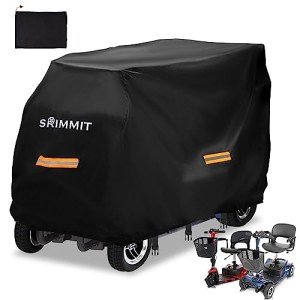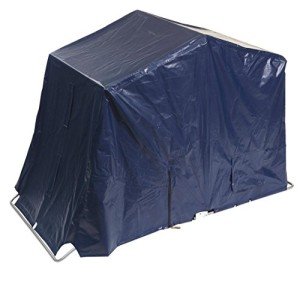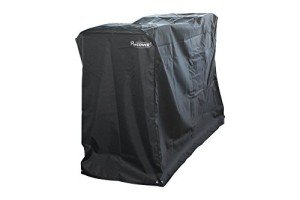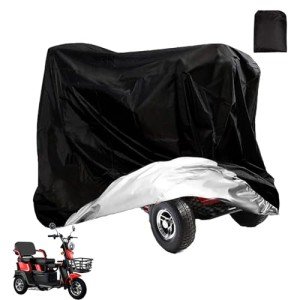

For many individuals, a mobility scooter is more than just a piece of equipment; it is a gateway to independence, social interaction, and daily convenience. Whether it is a compact travel model or a robust heavy-duty vehicle, a mobility scooter represents a significant financial and personal investment. However, these devices are also complex electronic machines that are highly susceptible to the elements.
Leaving a mobility scooter exposed to rain, sun, or dust can lead to mechanical failure, cosmetic deterioration, and a shortened lifespan. This is where a heavy-duty waterproof mobility scooter cover becomes an essential accessory. This guide explores the technical aspects, benefits, and selection criteria for high-quality scooter protection.
Why Heavy-Duty Protection Matters
Mobility scooters are designed for outdoor use, but they are not built to be stored in the rain or under the scorching sun indefinitely. The control panels (tillers), battery terminals, and leatherette seating are particularly vulnerable.
1. Water Damage and Electronics
The most immediate threat to any mobility scooter is moisture. Rainwater can seep into the tiller head, causing short circuits in the digital display or speed controls. Over time, persistent dampness can lead to corrosion in the battery compartment, which is both dangerous and expensive to repair.
2. UV Degradation
Sunlight can be just as damaging as rain. Ultraviolet (UV) rays cause plastic components to become brittle and eventually crack. Furthermore, prolonged exposure to heat can degrade the chemical composition of the scooter’s batteries, reducing their ability to hold a charge.
3. Dust, Debris, and Aesthetics
Even when stored in a garage or under a carport, dust and cobwebs can accumulate in the moving parts of the scooter. A heavy-duty cover acts as a barrier against environmental pollutants, bird droppings, and tree sap, ensuring the scooter remains clean and ready for use.
Understanding Materials: The Science of "Heavy-Duty"
Not all covers are created equal. When browsing for a "heavy-duty" option, the material composition is the most critical factor. Most premium covers utilize Oxford polyester fabric, which is measured in "Denier" (D).
Common Fabric Comparisons
| Feature | Standard Nylon Cover | 300D Oxford Fabric | 600D Heavy-Duty Oxford |
|---|---|---|---|
| Durability | Low (easily rips) | Moderate | High (tear-resistant) |
| Waterproofing | Water-resistant only | Good (with coating) | Excellent (Double-coated) |
| Weight | Very Light | Moderate | Heavy (Stays down in wind) |
| UV Resistance | Poor | Moderate | High (Silver or UV lining) |
| Best For | Indoor dust protection | Occasional outdoor use | Permanent outdoor storage |
The 600D Oxford fabric is generally considered the gold standard for heavy-duty protection. It provides a thick, canvas-like feel that can withstand harsh winds and heavy downpours without tearing.
Key Features of a High-Quality Scooter Cover
When selecting a cover, it is important to look beyond just the fabric. Several design features ensure the cover stays in place and provides maximum protection.
1. Taped or Double-Stitched Seams
The seams are often the weakest point of any waterproof garment. Premium covers feature double-stitched seams that are often "heat-taped" on the inside. This prevents water from leaking through the needle holes during a heavy downpour.
2. Elasticized Hems and Drawstrings
A cover is useless if it blows away in a storm. An elasticized hem allows the cover to "hug" the base of the scooter. Integrated drawstrings or buckle straps that run underneath the chassis provide an extra layer of security against high winds.
3. Air Vents
Completely sealing a scooter can actually be counterproductive. Without airflow, condensation can build up underneath the cover, leading to mold on the seat or rust on the metal components. Specialized air vents allow moisture to escape while keeping rain out.
4. Reflective Safety Strips
If a scooter is parked near a driveway or in a communal area at night, it needs to be visible. Reflective strips ensure that drivers or pedestrians can see the covered scooter in low-light conditions, preventing accidental collisions.
Sizing and Fitment
Mobility scooters come in various shapes and sizes. A cover that is too small won't protect the tires or the lower chassis, while a cover that is too large will sag and collect "pools" of water on top.
Standard Dimensions Chart
| Scooter Type | Average Length | Average Width | Recommended Cover Size |
|---|---|---|---|
| Travel / Portable | 35" - 40" | 18" - 21" | Small |
| Mid-Size / 4-Wheel | 45" - 50" | 22" - 25" | Medium / Large |
| Heavy-Duty / All-Terrain | 55" - 63" | 27" - 31" | Extra Large (XL) |
Note: Always measure the scooter from the front of the basket to the rear of the anti-tip wheels to ensure a proper fit.
How to Install and Maintain Your Cover
To maximize the lifespan of both the scooter and its cover, proper usage is required.
Installation Steps:
- Ensure the Scooter is Dry: Never cover a wet scooter, as this traps moisture against the electronics.
- Remove Accessories (If Necessary): If the scooter has extra-large flags or high-back headrests, adjust them to ensure the cover fits properly.
- Drape from Front to Back: Place the cover over the tiller and front basket first, then pull it over the seat to the rear.
- Secure the Straps: Tighten the drawstrings and clip any under-chassis buckles to prevent the wind from lifting the fabric.
Maintenance Tips:
- Cleaning: Clean the cover with a soft brush and lukewarm water. Avoid harsh detergents or machine washing, as this can strip away the waterproof PVC or PU coating.
- Storage: When the cover is not in use, fold it neatly and store it in a storage bag. Avoid stuffing it into a small space while damp.
- Inspection: Periodically check for small punctures or thinning fabric. Small holes can often be patched with waterproof gear tape.
Final Thoughts
A heavy-duty waterproof mobility scooter cover is an inexpensive insurance policy for a high-value device. By choosing a cover made from durable 600D Oxford fabric with UV protection and secure fastenings, users can ensure their scooter remains in peak condition regardless of the weather. Investing in quality protection today prevents costly repairs tomorrow and ensures that freedom of movement is never dampened by a sudden storm.
Frequently Asked Questions (FAQ)
1. Is a "water-resistant" cover the same as "waterproof"?
No. Water-resistant covers can handle light mist or short sprinkles, but water will eventually soak through during heavy rain. A waterproof cover, usually signified by a PVC or PU inner coating and taped seams, is designed to keep the scooter dry even during prolonged storms.
2. Can I use the cover while the scooter is on a vehicle lift?
It is generally not recommended to use a standard storage cover while transporting a scooter on a rear-mounted vehicle lift. The high-speed wind resistance on the highway can cause the cover to billow or tear. For transport, look for specialized "travel covers" designed with heavy-duty tie-down points.
3. Does the cover protect the batteries from cold weather?
While a cover protects the battery from moisture and wind chill, it does not provide thermal insulation. In extremely cold climates, batteries should still be charged regularly, as cold temperatures can reduce their capacity.
4. How long should a heavy-duty cover last?
A high-quality 600D Oxford cover exposed to moderate weather should last between 2 to 4 years. If used in areas with extreme UV exposure (such as Arizona or Florida), the lifespan may be slightly shorter.
5. Will the cover fit a scooter with a rear basket or canopy?
Most standard covers are designed for scooters without large permanent overhead canopies. If you have a rear basket, you may need to go up one size (e.g., from Medium to Large) to accommodate the extra length.