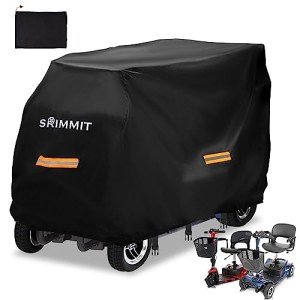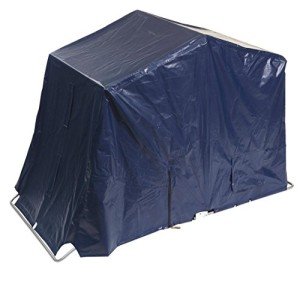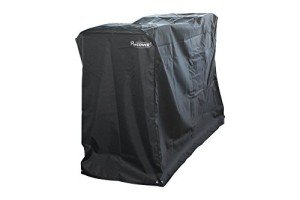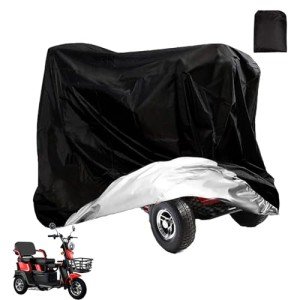

For many individuals with limited mobility, a mobility scooter is more than just a piece of equipment; it is a vital tool for independence, a means of transportation, and a gateway to the outside world. Given the significant financial investment and the essential role these vehicles play in daily life, protecting them from the elements becomes a priority. A heavy-duty waterproof mobility scooter cover in black provides a professional, durable, and highly effective solution for safeguarding this equipment.
This guide explores the necessity of high-quality covers, the technical specifications that define "heavy-duty," and how to choose the right protection for long-term vehicle health.
The Importance of High-Quality Protection
Mobility scooters are designed for outdoor use, but they are not impervious to the long-term effects of weather. Exposure to rain, snow, sun, and dust can lead to mechanical failures and aesthetic degradation. A heavy-duty cover acts as a primary defense system, ensuring that the scooter remains in peak operating condition regardless of the storage environment.
1. Protection Against Moisture and Corrosion
Electronics are the heart of a mobility scooter. Continuous exposure to rain or even morning dew can lead to moisture ingress in the control panel or battery compartment. This moisture can cause short circuits or lead to the corrosion of terminals. A waterproof cover ensures that the delicate electronic components remain dry, significantly extending the life of the internal systems.
2. UV Shielding
While rain is an obvious threat, the sun is equally damaging. Ultraviolet (UV) rays can cause plastic components to become brittle and eventually crack. Furthermore, prolonged sun exposure can fade the upholstery and paintwork. A black, heavy-duty cover typically features UV-resistant coatings that reflect or absorb these rays before they reach the scooter’s surface.
3. Dust and Debris Management
Even when stored indoors or under a carport, scooters can accumulate dust, cobwebs, and grit. These fine particles can find their way into the motor assembly or the moving parts of the wheels, increasing friction and wear. A full-length cover provides a sealed environment that keeps the mechanical components clean.
Technical Specifications: What Makes a Cover "Heavy-Duty"?
Not all covers are manufactured to the same standard. When selecting a heavy-duty option, it is important to understand the materials and construction techniques involved. Most high-end covers utilize Oxford fabric, which is categorized by its "D" (denier) rating.
Material Comparison Table
The following table outlines the differences between standard covers and heavy-duty versions typically found in the market.
| Feature | Standard Light-Weight Cover | Heavy-Duty Black Cover |
|---|---|---|
| Material Type | Thin Polyester (approx. 190T) | High-Density Oxford Cloth (300D - 600D) |
| Coating | Minimal water resistance | Thick Polyurethane (PU) or PVC backing |
| Stitching | Single-row stitching | Double-stitched, tape-sealed seams |
| UV Resistance | Low (tends to fade/tear) | High (UV-treated fabric) |
| Wind Resistance | Prone to billowing or tearing | Elastic hems and windproof buckles |
| Durability | Season-to-season replacement | Multi-year lifespan |
Essential Features of the Heavy-Duty Waterproof Cover
When evaluating a black mobility scooter cover, several design features contribute to its overall effectiveness and ease of use.
Reinforced Seams
Water often enters through the puncture holes created by sewing needles. Heavy-duty covers feature heat-sealed or taped seams. This ensures that even during a heavy downpour, water cannot seep through the joints of the fabric.
Elasticated Hems and Security Straps
A cover is only effective if it stays in place. High-quality models include a heavy-duty elastic cord sewn into the bottom hem. This allows the cover to "grip" the tires and undercarriage. Additionally, adjustable buckles or straps that run underneath the scooter prevent the cover from being blown away during high winds.
Breathability
While the cover must be waterproof, it also needs to prevent condensation. Some heavy-duty covers include integrated air vents. These vents allow moisture trapped beneath the cover to evaporate, preventing mold and mildew growth on the scooter’s seat and controls.
Why Choose Black?
While covers are available in various colors, black remains the industry standard for several practical reasons:
- Dirt Concealment: A black cover hides the grease, road salt, and dirt that inevitably transfer from the scooter’s tires and chassis to the fabric.
- Aesthetic Appeal: Black offers a sleek, unobtrusive look that blends well into garage environments or outdoor driveways.
- Thermal Properties: While black absorbs heat, premium covers use a heat-reflective under-layer. The black exterior is often preferred for its ability to hide the internal structure of the cover, making it look cleaner for longer periods.
Sizing and Fitment
Proper fit is essential for protection. A cover that is too small will leave the wheels or undercarriage exposed, while a cover that is too large will gather water in the excess fabric, potentially leading to leaks or wind damage.
Generic Sizing Guide
Note: Owners should always measure the specific dimensions of their scooter, including baskets and oxygen tank holders, before purchasing.
| Size Category | Typical Length | Typical Width | Typical Height | Recommended Scooter Type |
|---|---|---|---|---|
| Medium (M) | 140 cm (55") | 66 cm (26") | 91 cm (36") | 3-Wheel & Small Boot Scooters |
| Large (L) | 170 cm (67") | 61 cm (24") | 117 cm (46") | Standard 4-Wheel Mid-Sized |
| Extra Large (XL) | 190 cm (75") | 71 cm (28") | 117 cm (46") | Heavy-Duty Bariatric/Off-road |
Step-by-Step Guide for Proper Installation
To maximize the lifespan of both the cover and the scooter, a specific installation routine is recommended.
- Preparation: Ensure the scooter is turned off and the key is removed. If the scooter has been used in the rain, wipe down the seat and controls with a dry cloth before covering.
- Alignment: Identify the front and back of the cover. Most covers are shaped specifically to accommodate the tiller (handlebars) at the front and the seat at the back.
- Draping: Starting from the front, drape the cover over the tiller and mirrors. Gradually pull the fabric over the seat and toward the rear of the vehicle.
- Securing the Hem: Pull the elasticated hem down over the front and rear wheels. Ensure the fabric reaches the ground to prevent splash-back from the rain.
- Buckle Fastening: Reach under the scooter (if safe to do so) and snap the windproof buckles together. Tension the straps so the cover is taut but not overly stressed.
Maintenance and Care
To ensure a heavy-duty cover remains waterproof for years, users should follow these maintenance tips:
- Cleaning: Avoid machine washing. Instead, use a soft sponge with lukewarm water and a mild, non-detergent soap. Harsh chemicals can strip the waterproof PU coating.
- Drying: Always allow the cover to air dry completely before folding it for storage. Storing a wet cover leads to mildew buildup.
- Storage: Most heavy-duty covers come with a matching storage bag. Utilize this bag to protect the fabric from snags and sharp objects when the cover is not in use.
Pros and Cons of Heavy-Duty Covers
Pros
- Longevity: Significantly increases the lifespan of the mobility scooter.
- Resale Value: Keeps the scooter looking "showroom new," which helps maintain its market value.
- Reliability: Reduces the likelihood of electrical malfunctions caused by environmental moisture.
- Ease of Use: Elastic hems allow for quick application and removal.
Cons
- Bulkiness: Heavy-duty fabric (like 600D) is thicker and can be slightly heavier to handle than lightweight versions.
- Heat Absorption: In direct, intense sunlight, a black cover can become quite hot to the touch.
Frequently Asked Questions (FAQ)
Q: Can I use a heavy-duty cover while transporting my scooter on a trailer?
A: It depends on the specific product. Most standard "storage covers" are not designed for the high-velocity winds experienced during highway travel. Specialized "transportation covers" with extra heavy-duty straps are required for trailer use.
Q: Is the cover fireproof?
A: Usually, no. Most heavy-duty covers are made of polyester or Oxford cloth, which are treated for water and UV resistance but are not fireproof. They should be kept away from open flames or high-heat sources.
Q: Will this cover fit a scooter with a canopy?
A: Standard covers are designed for scooters without hard-top canopies. If a scooter has a permanent roof or canopy, a specialized, larger-volume cover or a custom-built shelter is generally necessary.
Q: How do I know if the cover is truly waterproof?
A: Check for the material's hydrostatic head rating if available. A "waterproof" heavy-duty cover should have a PU coating on the inside and tape-sealed seams. If water beads and rolls off the surface, the coating is functioning correctly.
Investing in a heavy-duty waterproof mobility scooter cover in black is an essential step for any owner who wishes to protect their freedom of movement. By shielding the vehicle from the corrosive effects of rain, the degrading impact of UV rays, and the nuisance of dust, a high-quality cover ensures that the scooter remains a reliable companion for years to come. When choosing a cover, focusing on material density, reinforced stitching, and a secure fit will provide the best return on investment and peace of mind for the user.