
For many individuals, a mobility scooter represents far more than just a piece of medical equipment; it is a gateway to independence, social engagement, and daily convenience. Given the significant financial investment these devices require, protecting them from the elements is a priority for any diligent owner. While many scooters are designed for outdoor use, prolonged exposure to rain, sun, and debris can lead to mechanical failure and aesthetic degradation.
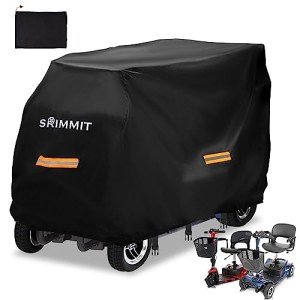
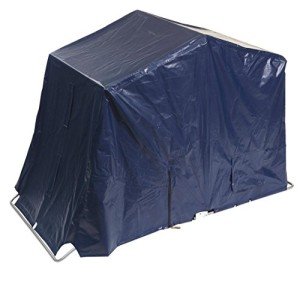
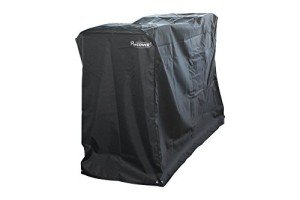
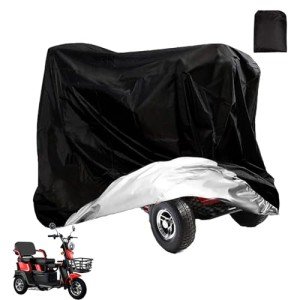
The heavy-duty waterproof mobility scooter cover with an included storage bag has emerged as a gold-standard solution for safeguarding these vital machines. This guide explores the technical specifications, practical benefits, and maintenance requirements of high-quality scooter covers.
Why a Heavy-Duty Cover is Necessary
Mobility scooters are complex machines containing sensitive electronics, batteries, and mechanical components. When left outdoors or even in a damp garage, several environmental factors begin to compromise the vehicle's integrity:
- Moisture and Corrosion: Rain and humidity can seep into control panels (tillers) and battery compartments, leading to short circuits or rusted frames.
- UV Radiation: Constant exposure to the sun’s ultraviolet rays causes plastic components to become brittle and colors to fade. Perhaps more importantly, it can cause synthetic leather seats to crack and peel.
- Debris and Dust: Fine dust particles can settle into the motor and moving parts, increasing friction and wear over time.
- Biological Hazards: Bird droppings, tree sap, and pollen are acidic or sticky substances that can permanently damage the paintwork if not cleaned immediately.
Key Features of High-Quality Heavy-Duty Covers
Not all covers are created equal. A "heavy-duty" designation typically refers to the density of the fabric and the quality of the waterproofing treatment.
1. Material Density (Denier Rating)
The thickness of the polyester or nylon used in a cover is measured in Deniers (D). Standard covers may use 190D or 210D material, which is lightweight but prone to tearing. Heavy-duty versions often utilize 600D Oxford cloth, providing a robust barrier that resists punctures and abrasions.
2. Waterproofing Technology
True waterproofing involves more than just a tight weave. High-end covers feature a PVC or PU (polyurethane) inner coating. Additionally, premium covers utilize heat-sealed taped seams to ensure that water does not leak through the needle holes where the fabric was stitched together.
3. Ventilation and Airflow
Total sealing can actually be detrimental. Without airflow, condensation can build up underneath the cover, leading to mold and mildew. Heavy-duty covers often include "air vents" designed to allow moisture to escape while preventing rain from entering.
4. Security and Fit
To prevent the cover from becoming a sail during high winds, features such as elasticated bottom hems, adjustable buckle straps, and drawstring toggles are essential. These ensure a snug fit regardless of the specific scooter model.
Table 1: Comparative Breakdown of Cover Materials
| Feature | Standard (210D Polyester) | Heavy-Duty (600D Oxford) | Industrial Grade (Vinyl/Commercial) |
|---|---|---|---|
| Durability | Low (prone to UV rot) | High (tear-resistant) | Extreme (heavy/bulky) |
| Water Resistance | Water-resistant (Shedding) | Fully Waterproof (Coated) | Fully Waterproof |
| Life Expectancy | 6–12 months | 2–5 years | 5+ years |
| Weight | Very Light | Moderate | Heavy |
| Best Use | Indoor dust protection | Outdoor all-weather | Long-term winter storage |
The Practicality of the Included Storage Bag
A common complaint among scooter owners is the difficulty of managing a large, heavy cover when the scooter is in use. This is where the inclusion of a dedicated storage bag becomes invaluable.
Benefits of the Storage Bag include:
- Organization: It keeps the cover neatly folded and prevents it from becoming a tripping hazard in the home or garage.
- Portability: The bag can often be attached to the back of the scooter seat or placed in the front basket, ensuring the cover is available if the weather turns while the user is out.
- Cleanliness: By storing the cover in a bag, the inside of the cover stays clean, ensuring that dirt is not transferred onto the scooter seat the next time it is applied.
Choosing the Right Size
A cover that is too small will not protect the lower mechanical parts, while one that is too large will flap in the wind and may accumulate pools of water on top. When selecting a cover, it is vital to measure the scooter’s length, width, and height (including the headrest and mirrors).
Table 2: General Sizing Guide for Mobility Scooter Covers
| Size | Length (approx.) | Width (approx.) | Typical Scooter Type |
|---|---|---|---|
| Small | 115 cm (45") | 50 cm (20") | Boot scooters / 3-wheel travel models |
| Medium | 140 cm (55") | 65 cm (25") | Standard 4-wheel pavement scooters |
| Large | 170 cm (67") | 75 cm (30") | Heavy-duty 8mph road-legal scooters |
| Extra-Large | 190 cm+ (75") | 80 cm+ (32") | Double/Tandem scooters or canopy models |
Installation and Maintenance Tips
To maximize the lifespan of both the mobility scooter and its protective cover, owners should follow a structured maintenance routine.
Best Practices for Installation:
- Cool Down: Never place a cover on a scooter immediately after a long ride if the motor or battery feels excessively warm. Allow it to cool for 15 minutes.
- Clean Dry Surface: Ensure the scooter is relatively dry before covering. Trapping moisture inside can accelerate corrosion.
- Secure the Straps: Always use the under-chassis buckles. Even a mild gust can lift an unsecured cover, potentially knocking the scooter over or losing the cover entirely.
Cleaning the Cover:
- Avoid Machine Washing: The agitation and heat of a washing machine can strip away the waterproof PVC/PU coating.
- Hand Wash Only: Use a soft brush, Luke-warm water, and a mild soap.
- Air Dry: Always hang the cover to dry completely before folding it back into the storage bag.
FAQ: Frequently Asked Questions
Q: Can I use the cover while the scooter is being transported on a vehicle rack?
A: Generally, no. Most outdoor covers are not "trailerable." The high-speed wind force encountered on a highway can tear the fabric or cause the cover to act as a parachute, creating a dangerous driving situation. Special reinforced transport covers are required for this purpose.
Q: Will the cover keep the battery warm in winter?
A: While the cover protects the battery from wind chill and moisture, it does not provide insulation. In extreme freezing temperatures, it is still recommended to store the battery indoors if possible.
Q: Are these covers fire-resistant?
A: Most heavy-duty covers are made of polyester, which can melt or burn if exposed to open flames or extreme heat. Always keep the covered scooter away from heaters or smoking areas.
Q: How do I know if the seams are actually sealed?
A: Turn the cover inside out and look at the stitching lines. If there is a clear or tinted tape bonded over the stitches, the seams are heat-sealed for maximum waterproofing.
A heavy-duty waterproof mobility scooter cover is an inexpensive insurance policy for an expensive and essential piece of mobility equipment. By choosing a cover with a high denier count, such as 600D Oxford cloth, and ensuring it features taped seams and ventilation, owners can significantly extend the life of their scooter. The added convenience of a storage bag ensures that protection is always at hand, allowing the user to focus on what matters most: their independence and mobility.
Investing in quality protection today prevents the mechanical headaches and financial burdens of tomorrow. Whether parked in a driveway, a garden, or a shared hallway, a well-protected scooter remains ready for the next journey, regardless of the weather.