
For many individuals, a mobility scooter is more than just a piece of equipment; it is a vital lifeline to independence, community engagement, and daily freedom. Given that high-quality mobility scooters can represent a significant financial investment, protecting them from the elements is a priority for any owner. The transition from indoor storage to outdoor parking, or even long-term storage in a garage, necessitates a robust solution.
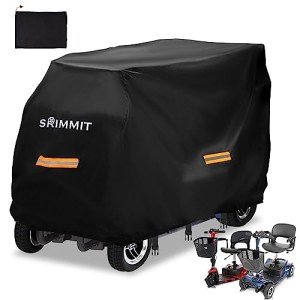
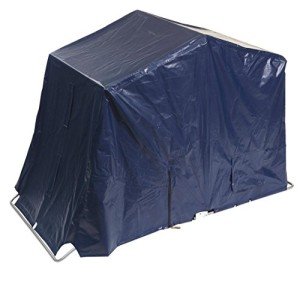
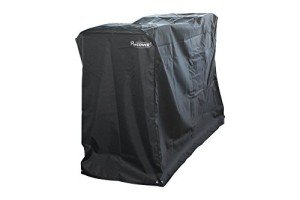
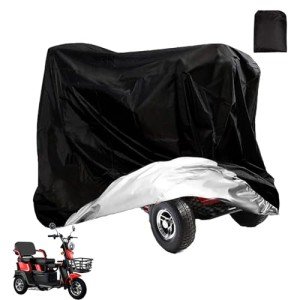
The heavy-duty waterproof mobility scooter cover with an included storage bag has emerged as an essential accessory. This guide explores the technical aspects, benefits, and practical considerations of utilizing a professional-grade cover to ensure the longevity and reliability of a mobility aid.
Why a Heavy-Duty Cover is Essential
Mobility scooters are intricate machines containing sensitive electronics, upholstered seating, and mechanical components that are vulnerable to environmental stressors. Without adequate protection, a scooter left outdoors—or even in a damp shed—is subject to several forms of degradation.
1. Moisture and Corrosion
Rain, snow, and even morning dew can seep into the control panel (tiller) and battery compartment. Moisture is the primary cause of electrical shorts and the corrosion of metal frames. A waterproof cover with heat-sealed seams ensures that water runs off the surface rather than soaking through.
2. UV Radiation
Prolonged exposure to direct sunlight can be just as damaging as rain. UV rays cause plastic shrouds to become brittle and crack. Furthermore, the sun can fade and degrade the integrity of the vinyl or fabric used in the seating, leading to discomfort and expensive repairs.
3. Dust, Debris, and Contaminants
Even indoors, dust can accumulate in the motor and moving parts, increasing friction and wear. Outdoors, bird droppings, tree sap, and wind-blown dirt can ruin the aesthetic and mechanical health of the vehicle.
Key Features of High-Quality Scooter Covers
Not all covers are created equal. When selecting a heavy-duty option, specific features distinguish a temporary tarp from a professional-grade protective shield.
Material Science: The Denier Rating
The strength of a cover is often measured by its "Denier" (D) count, which refers to the thickness of the individual fibers used in the fabric.
| Material Type | Durability Level | Best Use Case |
|---|---|---|
| 210D Polyester | Light Duty | Indoor dust protection or occasional light rain. |
| 420D Oxford Cloth | Medium Duty | Regular outdoor use in moderate climates. |
| 600D + PVC/PU Coating | Heavy Duty | Harsh weather, high winds, and long-term outdoor storage. |
Waterproofing vs. Water Resistance
While "water-resistant" covers might repel a light drizzle, a "waterproof" cover is designed to withstand heavy downpours. High-end covers feature a Polyurethane (PU) or Polyvinyl Chloride (PVC) internal coating and reinforced stitching to prevent water ingress at the seams.
Wind Security and Fitment
A heavy-duty cover must stay in place during a storm. This is achieved through:
- Elasticated Hems: These allow the cover to "hug" the base of the scooter.
- Buckle Straps: Adjustable straps that clip underneath the chassis to prevent the cover from being lifted by the wind.
- Drawstrings: Allow for a tightened fit around the wheels.
The Benefits of the Included Storage Bag
A common frustration with large protective covers is the difficulty of storing them when the scooter is in use. A heavy-duty cover that includes a dedicated storage bag offers several advantages:
- Portability: The cover can be folded into a compact size and stored in the scooter's front basket or rear bag, ensuring protection is available if the weather changes while the user is out.
- Organization: It prevents the cover from becoming a tangled mess in a garage or hallway.
- Cleanliness: If the cover is wet or dirty after use, the bag prevents that moisture and grime from transferring to the user's home or vehicle interior.
How to Choose the Right Size
Mobility scooters range from compact travel models to large, road-legal Class 3 scooters. Using a cover that is too small will leave parts of the scooter exposed, while one that is too large may catch the wind like a sail.
Sizing Guide Table
| Scooter Category | Typical Length | Recommended Cover Size |
|---|---|---|
| Travel/Portable | 90cm – 105cm | Small (S) |
| Mid-Size (3 or 4 wheel) | 110cm – 125cm | Medium (M) |
| Large/Heavy Duty/Road | 130cm – 160cm | Large (L) / Extra Large (XL) |
Always measure the scooter from the furthest front point to the furthest rear point (including baskets or oxygen tank holders) before purchasing.
Maintenance and Care for the Cover
To ensure the cover lasts as long as the scooter it protects, some basic maintenance is required.
- Cleaning: Most heavy-duty covers should be wiped down with a damp cloth and mild soap. Harsh detergents can strip away the waterproof coating.
- Drying: Never fold a wet cover into its storage bag. This can lead to the growth of mold and mildew, which may eventually transfer to the scooter's seat.
- Sharp Edges: Check the scooter for any sharp protruding parts that could puncture the fabric during fitment.
Installation Steps for Maximum Protection
To get the most out of a heavy-duty cover, follow these steps:
- Clean the Scooter: Ensure the scooter is dry and free of abrasive grit before covering.
- Position the Scooter: Park on level ground, ideally away from areas where water pools.
- Apply Front-to-Back: Start by hooking the cover over the handlebars (tiller) and front basket, then pull it back over the seat and rear wheels.
- Secure the Straps: Reach underneath to clip the belly straps. Ensure the elastic hem is tucked under the edges of the chassis.
- Check Ventilation: If the cover has air vents, ensure they are not obstructed to prevent condensation buildup inside.
Frequently Asked Questions (FAQ)
1. Is a heavy-duty cover breathable?
The best heavy-duty covers include built-in air vents. These vents allow for air circulation, which is crucial because moisture trapped under a non-breathable waterproof cover can lead to condensation. This condensation can cause rust or mold on the scooter’s components.
2. Can the cover be used while the scooter is being transported on a trailer?
Generally, no. Most standard storage covers are not designed to withstand the high-velocity "buffeting" of highway speeds. If a cover is used during transit, the wind can cause it to flap violently, which may tear the fabric or scratch the scooter's paintwork. For transport, specialized "travel covers" or tie-downs are recommended.
3. Will this cover fit a scooter with a canopy or high-back seat?
Standard covers are designed for scooters with the seat folded down or with standard-height backrests. If a scooter has a permanent rigid canopy or an exceptionally high headrest, a specialized "Extra Large" or "Tall" cover may be required.
4. Is the storage bag waterproof as well?
In most cases, the storage bag is made from the same material as the cover. However, its primary purpose is organization rather than long-term outdoor exposure. It is best to keep the bagged cover in a dry area.
5. How long should a heavy-duty cover last?
With proper care, a high-quality 600D Oxford cloth cover can last between 2 to 5 years, depending on the severity of the local climate. Continuous exposure to extreme desert sun or salty coastal air may shorten the lifespan.
A mobility scooter represents the freedom of movement, and protecting that freedom requires proactive care. A Heavy-Duty Waterproof Mobility Scooter Cover with a storage bag is a small investment that pays significant dividends in the form of reduced repair costs and a higher resale value. By choosing the correct material and size, and ensuring the cover is properly secured, owners can rest easy knowing their vehicle is shielded from the unpredictable elements of nature.
Whether stored on a patio, in a carport, or a communal hallway, a professional-grade cover is the first line of defense in maintaining the reliability and appearance of a mobility scooter for years to come.