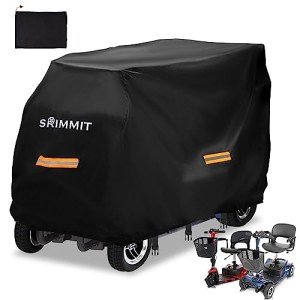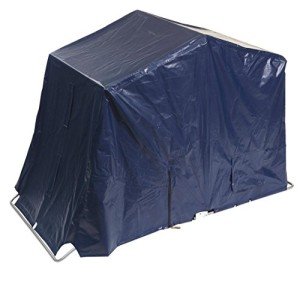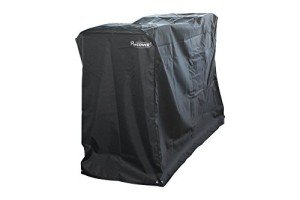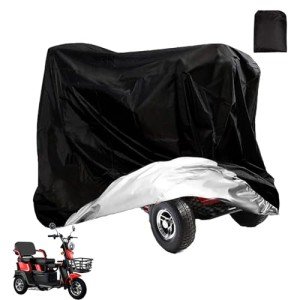

For many individuals, a mobility scooter represents more than just a piece of medical equipment; it is a gateway to independence, social interaction, and daily freedom. However, these advanced machines are significant investments, often costing thousands of dollars. Like any sophisticated electronic vehicle, mobility scooters are susceptible to the damaging effects of the environment. Among the various accessories available, a heavy-duty waterproof rain cover is arguably the most critical for ensuring the longevity and reliability of the device.
This guide provides a comprehensive look at why these covers are essential, what features to prioritize, and how to maintain them to ensure maximum protection for a mobility scooter.
The Critical Importance of Weather Protection
Mobility scooters are designed for outdoor use, but they are not inherently waterproof. High-end models may have some moisture resistance, but the sensitive electronic components—including the joystick, control board, and battery terminals—can fail if exposed to heavy rain or high humidity.
1. Electrical System Integrity
The "brain" of a mobility scooter is its tiller (the dashboard). A heavy downpour can seep into the housing of the control panel, causing short circuits. This doesn't just lead to expensive repairs; it can leave a user stranded away from home.
2. Corrosion and Rust
Continuous exposure to moisture leads to the oxidation of metal frames and components. Over time, rust can compromise the structural integrity of the scooter. Furthermore, many scooters feature chrome accents or painted finishes that can peel or discolor when subjected to acid rain or salty air in coastal regions.
3. Upholstery and Comfort
Seats and armrests are typically made of foam and vinyl or fabric. If water penetrates the seams, the foam can act as a sponge, leading to mold, mildew, and unpleasant odors. Constant dampness also degrades the material, leading to cracks and tears.
Key Features of Heavy-Duty Covers
When searching for a heavy-duty waterproof cover, it is important to distinguish between "water-resistant" and "waterproof." A heavy-duty cover is built to withstand extreme weather conditions, including torrential rain, snow, and high winds.
Essential Material Components
- High Denier Rating: "Denier" measures the thickness of the fibers. A heavy-duty cover typically ranges from 300D to 600D. The higher the number, the more durable and tear-resistant the fabric.
- PVC or PU Coating: Quality covers feature a backing of Polyvinyl Chloride (PVC) or Polyurethane (PU) to provide a complete barrier against water.
- UV Resistance: Constant exposure to the sun can make fabric brittle. Heavy-duty covers are treated with UV stabilizers to prevent the material from "baking" and cracking under the sun.
Design and Security Features
List of functional design elements:
- Elasticated Hems: A tight fit around the base of the wheels ensures the cover doesn't flap in the wind.
- Security Eyelets/Grommets: These allow the user to thread a locking cable through the cover and the scooter frame, preventing theft of both the cover and the vehicle.
- Adjustable Straps and Buckles: Central straps that run underneath the scooter prevent the cover from being blown off during storms.
- Taped Seams: The most common point of failure for covers is the stitching. Heavy-duty models feature heat-sealed or taped seams to prevent water from leaking through the needle holes.
Technical Specifications: Comparison Tables
To better understand the differences between standard and heavy-duty options, the following tables provide a breakdown of materials and features.
Table 1: Material Durability Comparison
| Material Type | Denier Rating | Waterproof Level | Durability | Best Use Case |
|---|---|---|---|---|
| Standard Polyester | 190T - 210D | Moderate | Low | Indoor storage / Dust protection |
| Heavy-Duty Oxford | 300D - 400D | High | Medium/High | Occasional outdoor use |
| Premium Heavy-Duty | 600D+ | Excellent | High | Permanent outdoor storage |
Table 2: Feature Checklist for Heavy-Duty Integrity
| Feature | Low-End Cover | Heavy-Duty Cover | Benefit of Heavy-Duty |
|---|---|---|---|
| Seams | Single Stitched | Heat-Taped / Double Stitched | Prevents water leakage at the joints. |
| Lining | Bare Plastic | Soft Fleece or Anti-Scratch | Protects the scooter's paintwork from abrasions. |
| Vents | None | Covered Air Vents | Prevents condensation and mold buildup. |
| Fastening | Loose Drawstring | Heavy-Duty Buckles & Elastic | Ensures the cover stays on during high winds. |
Types of Mobility Scooter Covers
Not all covers serve the same purpose. Users should choose a cover based on their specific lifestyle and storage situation.
- Storage Covers: Designed for when the scooter is parked. These wrap over the entire machine, including the wheels. They are the most robust and provide 360-degree protection.
- Travel/Transit Covers: Specifically designed for scooters being transported on the back of a car via a hoist or trailer. These are reinforced even further to handle the high-velocity wind pressure of highway driving.
- Tiller Covers: These are smaller, transparent covers that protect only the dashboard. They allow the user to continue driving in the rain while keeping the electronics dry.
- Canopy Style: A semi-permanent structure attached to the scooter that provides a roof-like cover while the user is inside.
Maintaining the Cover for Longevity
Even a heavy-duty cover requires maintenance to remain effective. Neglecting the cover can lead to a buildup of dirt that acts as an abrasive against the scooter's finish.
- Regular Cleaning: Dust and bird droppings should be wiped away with a damp cloth and mild soap. Harsh chemicals should be avoided as they can strip the waterproof coating.
- Drying Before Folding: One should never fold and store a wet cover. This traps moisture, leading to mildew growth and the eventual breakdown of the PU/PVC backing.
- Ventilation Check: Ensure that the air vents are not obstructed. Proper airflow is necessary to allow moisture from the ground (rising damp) to escape from underneath the cover.
Frequently Asked Questions (FAQ)
1. Is a heavy-duty cover necessary if the scooter is stored under a porch?
While a porch offers overhead protection, it does not guard against "wind-blown" rain, humidity, or dust. A heavy-duty cover provides a secondary barrier that keeps the scooter in pristine condition and prevents insects or rodents from nesting in the seat or chassis.
2. Can the cover be used while transporting the scooter on a vehicle?
Only if the cover is specifically labeled as a "Transit Cover." Standard storage covers are not designed to withstand the 60-70 mph wind speeds encountered on a highway and may tear or fly off, creating a hazard for other drivers.
3. How does one choose the right size?
The user should measure the total length, width, and height of the scooter. It is generally recommended to choose a cover that is 2-4 inches larger than the scooter’s dimensions to allow for easy application and removal.
4. Will a waterproof cover prevent condensation?
A 100% waterproof material also traps air. Therefore, owners should look for heavy-duty covers that explicitly mention "integrated air vents." These vents allow air to circulate, which minimizes the risk of condensation forming on the metal parts of the scooter.
5. Why is a 600D fabric better than a 210D fabric?
A 600D fabric is significantly thicker and heavier. It has a higher resistance to punctures from sharp objects (like handlebars or mirrors) and is much less likely to degrade under high UV exposure over several years.
Investing in a heavy-duty waterproof mobility scooter rain cover is a proactive step in protecting one's mobility and financial investment. By shielding sensitive electronics from moisture, preventing the onset of rust, and preserving the upholstery, a high-quality cover ensures that the scooter remains a reliable mode of transportation for years to come.
When selecting a cover, the focus should always be on material density (Denier), seam construction, and secure fastening mechanisms. While a heavy-duty option may require a higher initial outlay than a basic plastic sheet, the cost of a single electrical repair on a mobility scooter far outweighs the price of a premium cover. For the user, the peace of mind that comes with knowing their "wheels" are safe from the elements is truly invaluable.