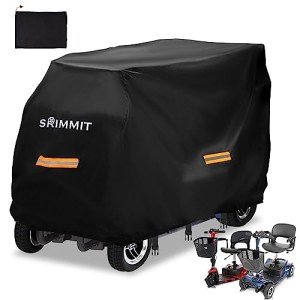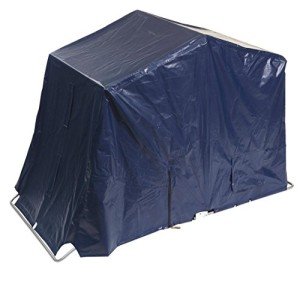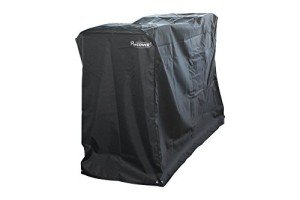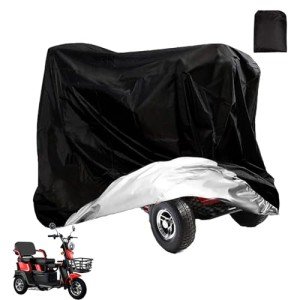


For many individuals, a mobility scooter is more than just a piece of equipment; it is a vital tool for independence, providing the freedom to navigate the world comfortably and autonomously. Given that these devices represent a significant financial investment, ensuring their longevity through proper maintenance is essential. One of the most critical yet often overlooked accessories for any scooter owner is a premium, heavy-duty waterproof storage cover.
Whether a scooter is stored in a garage, under a carport, or outdoors, environmental factors can quickly degrade its components. This guide explores the necessity of high-quality covers, the technical specifications to look for, and how to choose the right protection for various mobility needs.
Why Environmental Protection Matters
Mobility scooters are complex machines housing sensitive electronics, lead-acid or lithium batteries, and intricate mechanical transaxles. Unlike automobiles, which are designed with sealed chassis, many scooters have exposed areas where moisture and dust can penetrate.
The Threat of Moisture and Corrosion
Water is perhaps the greatest enemy of a mobility scooter. Continuous exposure to rain, snow, or even high humidity can lead to the corrosion of wiring harnesses and the oxidation of battery terminals. A heavy-duty waterproof cover acts as a non-permeable barrier, ensuring that the control tiller and the motor remains dry even during torrential downpours.
The Impact of UV Radiation
While many focus on rain, sun damage is equally cumulative. Ultraviolet (UV) rays can cause the plastic fairings of the scooter to become brittle and fade. Furthermore, prolonged sun exposure can degrade the integrity of the seat upholstery, leading to cracks and discomfort. High-quality covers are treated with UV-resistant coatings to reflect these harmful rays.
Technical Specifications: What Makes a Cover "Heavy-Duty"?
Not all covers are created equal. When browsing for protection, it is important to understand the materials used in construction. Most "budget" covers are made of thin polyester that tears easily and lacks true waterproofing. A heavy-duty cover, however, utilizes high-denier fabrics.
Material Comparison Table
| Feature | Standard Light-Weight Cover | Heavy-Duty Waterproof Cover |
|---|---|---|
| Fabric Base | 190T Nylon / Thin Polyester | 420D to 600D Oxford Cloth |
| Inward Coating | None or thin spray | Heavy PVC or PU Coating |
| Seam Construction | Single-stitched | Double-stitched with Heat-Sealed Tape |
| UV Resistance | Low (Fades quickly) | High (Silver or UV-treated coating) |
| Wind Resistance | Poor (Lacks securing straps) | High (Elastic hems and buckled straps) |
Key Features to Look For
- Denier (D) Rating: This measures the thickness of the fibers. A rating of 420D or 600D is ideal for outdoor storage as it is puncture-resistant and can withstand heavy wind.
- Heat-Sealed Seams: Even waterproof fabric can leak if water seeps through the needle holes in the stitching. Heavy-duty covers feature internal taping over the seams to prevent this.
- Taped Vents: Total sealing can lead to condensation buildup underneath the cover, which may cause mold or "sweating" on the electronics. Air vents allow for circulation while keeping rain out.
- Elasticized Hems and Drawstrings: These ensure a snug fit around the base of the tires, preventing the wind from lifting the cover like a sail.
Measuring for the Perfect Fit
A cover that is too small will put stress on the fabric and may not cover the wheels, while a cover that is too large will flap in the wind and gather water in its folds. To ensure maximum protection, users must measure their scooters accurately.
How to Measure Your Mobility Scooter
- Length: Measure from the very front of the basket or bumper to the back of the rear wheels or any rear-mounted accessories (like an oxygen tank holder).
- Width: Measure from the widest point, usually the outside of the armrests or the rear wheels.
- Height: Measure from the ground to the highest point, which is typically the top of the headrest or the tiller handles.
Common Sizing Chart
| Scooter Type | Average Length | Average Width | Recommended Cover Size |
|---|---|---|---|
| 3-Wheel Compact | 95 - 105 cm | 45 - 52 cm | Small |
| 4-Wheel Mid-Size | 115 - 125 cm | 55 - 62 cm | Medium |
| Large/All-Terrain | 135 - 160 cm | 65 - 80 cm | Large / Extra Large |
The Long-Term Benefits of Using a Storage Cover
Investing in a high-quality cover offers several advantages that go beyond mere cleanliness.
1. Preservation of Resale Value
At some point, a user may wish to upgrade to a newer model. A scooter that has been kept under a heavy-duty cover will have vibrant paintwork, an intact seat, and a clean console. This significantly increases the market value of the device compared to one that has been weathered.
2. Battery Health
Batteries perform best within specific temperature ranges. While a cover does not provide insulation like a blanket, it does prevent "thermal shock" by shielding the battery compartment from direct sunlight and freezing winds, helping the cells maintain more consistent performance.
3. Dust and Debris Prevention
For those who store their scooters indoors or in a garage, dust can be a major issue. Fine particles can enter the ignition switch or the speed pot (the dial that controls speed), causing jerky movements or electrical failure. A cover creates a dust-proof seal that keeps the mechanical components pristine.
Maintenance of Your Mobility Scooter Cover
To ensure the cover lasts as long as the scooter, it requires a small amount of care.
- Cleaning: Do not machine wash heavy-duty covers, as the agitation can peel away the waterproof PVC/PU coating. Instead, use a soft brush and lukewarm water with mild soap.
- Drying: Always allow the cover to air dry completely before folding it for storage. Storing a wet cover will lead to mildew.
- Inspection: Periodically check the seams and the drawstrings for wear and tear. If a small hole appears, it can often be patched with waterproof gear tape.
Frequently Asked Questions (FAQ)
Q: Can I put the cover on immediately after using the scooter?A: It is recommended to let the motor cool down for 10–15 minutes before covering. While the covers are durable, trapping concentrated heat from the motor can lead to condensation inside the cover.
Q: Are these covers suitable for transport on a vehicle trailer?A: Most storage covers are designed for stationary use. If using a cover during high-speed transport, it must be specifically rated as "trailerable," otherwise, the wind pressure may shred the fabric.
Q: Does the cover protect against pests?A: Yes. A tight-fitting cover with an elastic hem makes it much more difficult for rodents or insects to nest in the undercarriage or seat of the scooter.
Q: How long should a heavy-duty cover last?A: Depending on the severity of the climate, a high-quality 600D cover typically lasts between 2 to 5 years under constant outdoor exposure.
The mobility scooter is a gateway to the world for many, and protecting it is a matter of both financial wisdom and personal independence. A heavy-duty waterproof storage cover is a small investment that offers a massive return in terms of reliability and longevity. By selecting a cover with high-denier fabric, reinforced seams, and proper ventilation, users can ensure that their scooter remains ready for the road, no matter what the weather brings.
In the world of mobility maintenance, an ounce of prevention—in the form of a durable fabric shield—is worth a pound of expensive mechanical repairs.