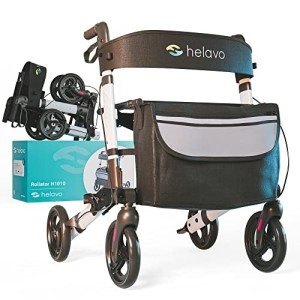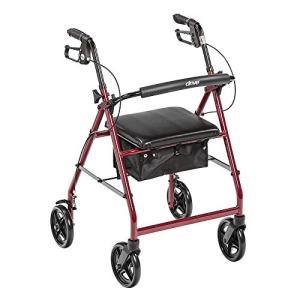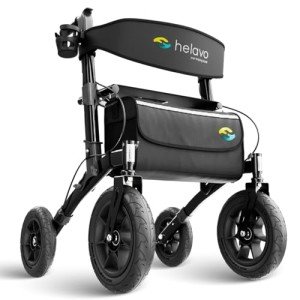





In today's fast-paced world, mobility solutions must reflect a blend of practicality, comfort, and innovative design. One such solution that has gained attention for its versatility is the Kmina 2 in 1 Rollator and Wheelchair. This lightweight mobility aid offers the functionality of both a rollator and a wheelchair, appealing to those who require assistance with walking and occasional seating. This guide delves into the features, benefits, and considerations of the Kmina 2 in 1 Rollator and Wheelchair, providing an informative overview for potential users and caregivers.
Features of the Kmina 2 in 1 Rollator and Wheelchair
The Kmina 2 in 1 model stands out for its practical features designed to enhance mobility and convenience. Some of the key attributes include:
-
Lightweight Design: Constructed from durable yet lightweight materials, the Kmina is easy to maneuver and transport, making it suitable for various lifestyles.
-
Dual Functionality:
- Rollator Mode: As a rollator, it provides support while walking, featuring ergonomic grips and adjustable handles to accommodate individual heights.
- Wheelchair Mode: In wheelchair mode, users can be comfortably seated and pushed by a caregiver or family member, allowing for easy transportation.
-
Compact Foldability: The Kmina can be easily folded for storage or travel. This compact design helps users retain their independence, whether at home or outside.
-
Safety Features: Equipped with a sturdy brake system and a secure seat belt, the Kmina ensures user safety and confidence, whether in rollator or wheelchair mode.
-
Comfortable Seating: The cushioned seat provides additional comfort, essential for users who may require longer rest periods.
-
Storage Options: With a spacious, convenient storage bag, users can carry personal items, medications, or groceries without compromising mobility.
Benefits of Using the Kmina 2 in 1 Rollator and Wheelchair
The Kmina 2 in 1 Rollator and Wheelchair offers several benefits that cater to the needs of users and caregivers alike:
-
Versatile Mobility Solution: The dual functionality allows users to transition seamlessly from walking with support to a seated position without needing multiple devices.
-
Enhanced Independence: Users can navigate their environment with confidence, whether shopping, visiting friends, or attending medical appointments.
-
Convenience for Caregivers: For family members or caregivers, the lightweight design allows for easier transportation and handling, particularly during outings.
-
Improved Posture and Safety: By providing proper support, the Kmina encourages better posture during ambulation, reducing fall risks.
-
User-Friendly Adjustments: The adjustable features of the Kmina accommodate different user sizes and preferences, promoting a personalized experience.
Potential Considerations
While the Kmina 2 in 1 Rollator and Wheelchair is a versatile tool, potential users should consider a few aspects before purchasing:
-
User Weight Limits: Ensure that the selected model supports the user’s weight, as exceeding these limits can compromise safety and functionality.
-
Surface Compatibility: The Kmina performs well on various surfaces, but users should assess the terrain they frequent to ensure optimal performance.
-
Ease of Use: Some users may require an orientation period to comfortably transition between modes or might need assistance from caregivers initially.
-
Maintenance Requirements: As with any mobility aid, regular inspections and maintenance are necessary to ensure the safety and functionality of the Kmina.
The Kmina 2 in 1 Rollator and Wheelchair presents an innovative solution for individuals seeking a reliable mobility aid that addresses their diverse needs. Its combination of lightweight design, dual functionality, and user-friendly features makes it an appealing choice for those seeking to maintain their independence while ensuring comfort and safety.
FAQs About the Kmina 2 in 1 Rollator and Wheelchair
1. What is the weight capacity of the Kmina 2 in 1 Rollator and Wheelchair?
The Kmina is designed to support users up to a specific weight limit, typically around 250 pounds. It’s essential to check the manufacturer's specifications for accurate limits.
2. Can the Kmina be used indoors and outdoors?
Yes, the Kmina is suitable for both indoor and outdoor use. Its lightweight design and maneuverability make it a versatile option for various environments.
3. How do I transition from rollator mode to wheelchair mode?
Transitioning is easy; simply follow the manufacturer’s instructions that come with the device. Typically, this involves adjusting the seat and brakes accordingly.
4. How do I maintain the Kmina?
Regularly inspect the wheels, brakes, and seat for any wear and tear. Keeping the device clean and ensuring all components are functioning correctly will prolong its lifespan.
5. Is the Kmina adjustable for different user heights?
Yes, the Kmina features adjustable handles to accommodate users of various heights, thereby enhancing comfort and proper posture while in use.
In summary, the Kmina 2 in 1 Rollator and Wheelchair represents a thoughtful approach to mobility support, focusing on independence, usability, and safety. For individuals seeking a reliable means to navigate their surroundings, the Kmina stands as a commendable option, marrying style with functionality. Whether for personal use or as a gift for a loved one, the Kmina can greatly enhance one's quality of life by offering unparalleled support and convenience in mobility.