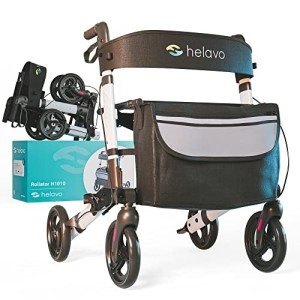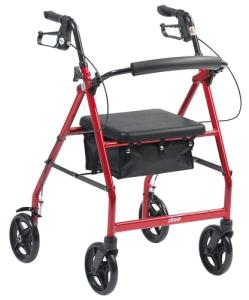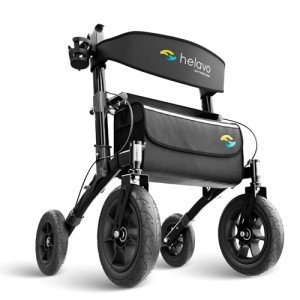


Maintaining independence and mobility is a fundamental aspect of quality of life, particularly for individuals facing the challenges of aging, injury recovery, or chronic conditions. While traditional walking aids like canes or standard four-wheel rollators are common, a specialized niche has emerged to provide a balance of agility and comfort: the lightweight 3-wheel tri walker with an integrated seat and bag.
This guide explores the design, benefits, and technical considerations of these innovative mobility aids, providing a comprehensive overview for those seeking a solution that fits both indoor and outdoor environments.
Understanding the 3-Wheel Tri Walker
A 3-wheel walker, often referred to as a "tri walker," is characterized by its triangular frame featuring a single pivoting wheel at the front and two fixed wheels at the rear. Traditionally, tri walkers were designed solely for maneuverability in tight spaces, often lacking the resting capabilities of their four-wheeled counterparts. However, modern engineering has introduced lightweight models that incorporate a fold-down seat and a storage bag, bridging the gap between a standard walker and a full-sized rollator.
The Evolution of the Integrated Seat
For many years, the primary drawback of a three-wheel design was the absence of a place to rest. Manufacturers have addressed this by developing reinforced frames that can support a compact seat. These seats are typically designed for short periods of rest, allowing users to pause during a walk to catch their breath or alleviate joint pressure without needing to find a park bench or chair.
Comparison: 3-Wheel vs. 4-Wheel Walkers
To understand why a lightweight 3-wheel walker might be the preferred choice, it is helpful to compare it to the standard 4-wheel rollator.
| Feature | 3-Wheel Tri Walker (with Seat) | 4-Wheel Rollator |
|---|---|---|
| Turning Radius | Extremely tight; maneuvers easily in small rooms. | Larger; may require multiple points to turn in hallways. |
| Weight | Generally lighter (under 7kg on average). | Heavier due to larger frame and wider seat. |
| Foldability | Folds into a slim, compact shape. | Folds flat but usually remains wide. |
| Stability | High on flat ground; less stable on very uneven terrain. | Most stable; less likely to tip on slopes. |
| Storage | Usually includes a specialized bag or basket. | Includes under-seat storage or front basket. |
| Best Use | Narrow interiors, shopping aisles, and travel. | Long outdoor walks and rugged terrain. |
Key Features of Lightweight Tri Walkers
When selecting a 3-wheel walker with a seat and bag, several technical features define the user experience. These components ensure that the device is not only easy to use but also safe and durable.
1. Ultra-Lightweight Frames
Most modern tri walkers utilize high-grade aluminum. This material provides the strength necessary to support a user’s weight while remaining light enough to be lifted into the trunk of a car or onto public transport. A lightweight frame reduces the physical exertion required to push the device, which is critical for those with limited upper body strength.
2. Maneuverability and Wheel Design
The single front wheel allows for a zero-turn radius in many instances. This makes the tri walker ideal for navigating narrow doorways, crowded cafes, or small apartment kitchens. Use of puncture-proof, solid tires is standard, ensuring that the user never faces a flat tire while away from home.
3. Integrated Storage Solutions
The inclusion of a bag is more than a convenience; it allows the user to maintain their balance by keeping their hands free. These bags are typically situated in the center of the frame and are designed to hold:
- Personal items (wallets, phones, keys).
- Light groceries or medications.
- Medical equipment like portable oxygen concentrators.
4. Safety Braking Systems
Safety is paramount in any mobility aid. Tri walkers are equipped with ergonomic loop-handle brakes. These serve two functions:
- Deceleration: Gently squeezing the brakes slows the walker while moving down slopes.
- Parking Brake: Pushing the handles downward locks the wheels in place, which is essential before the user attempts to sit on the integrated seat.
Technical Specifications to Consider
Before purchasing a tri walker, it is essential to check the technical specifications to ensure it meets the physical requirements of the user.
| Specification | Typical Measurement | Why It Matters |
|---|---|---|
| Weight Capacity | 100kg – 130kg | Ensures the frame can safely support the user’s weight. |
| Handle Height | 80cm – 95cm (Adjustable) | Prevents slouching and back pain; should align with wrists. |
| Product Weight | 5kg – 7.5kg | Affects how easy it is to transport and lift. |
| Seat Height | 50cm – 60cm | Determines if the user can sit and stand up easily. |
| Wheel Diameter | 7 – 8 Inches | Larger wheels handle outdoor cracks more smoothly. |
Benefits of Using a Tri Walker with a Seat
The addition of a seat to a three-wheel frame offers several physiological and psychological benefits:
- Increased Endurance: Knowing a seat is available reduces the anxiety of "running out of energy" during a walk, encouraging users to travel further.
- Improved Posture: Adjustable handles ensure the user walks upright rather than leaning forward, which is a common issue with non-wheeled walkers.
- Social Inclusion: Being able to navigate narrow spaces like restaurant aisles means users can participate more easily in social gatherings.
- Convenience for Travel: Because they fold more narrowly than four-wheelers, they are much easier to store in the footwell of a car or in a closet.
Best Practices for Safe Operation
To maximize the lifespan of the walker and ensure the safety of the user, the following guidelines should be followed:
- Height Adjustment: The handles should be adjusted so that when the user is standing upright, the grips are at wrist level. This creates a slight bend in the elbow during use, which is the most ergonomic position.
- The "Lock Before Sitting" Rule: Users must never sit on the walker without first engaging the parking brakes. Failure to do so can result in the walker rolling away as the user attempts to sit.
- Weight Distribution: Bags should not be overloaded. Excessive weight in the storage bag can alter the center of gravity and make the walker harder to steer.
- Terrain Awareness: While great for indoors, users should be cautious on thick carpets or gravel paths, as the three-wheel design can be more sensitive to surface changes than a four-wheel design.
Maintenance Tips
A mobility aid is an investment in independence. Regular maintenance ensures longevity.
- Check the Brakes: Test the tension of the brake cables weekly. If the wheels move while the parking brake is engaged, the cables need tightening.
- Clean the Wheels: Hair, lint, and dirt can get caught in the wheel axles. Wiping them down prevents the wheels from seizing.
- Inspect Bolts: Over time, the vibrations from walking can loosen bolts. A quick monthly check with a wrench or screwdriver keeps the frame rigid and safe.
Frequently Asked Questions (FAQ)
Is a 3-wheel walker more stable than a 4-wheel walker?
While very stable on flat surfaces, 3-wheel walkers have a slightly higher center of gravity and a narrower base. They are designed for agility rather than maximum stability. For users with severe balance issues, a 4-wheel rollator may still be recommended.
Can the bag be removed for washing?
Most bags included with tri walkers are attached via Velcro straps or clips and can be easily removed for cleaning or to use as a standalone shopping bag.
How do I know if the seat is the right size?
The seats on 3-wheel walkers are generally more compact than those on 4-wheel rollators. It is important to check the width of the seat against the user's hip measurements to ensure a comfortable fit for short rest periods.
Can it be used on public transport?
Yes. The lightweight and narrow profile of the tri walker makes it one of the best mobility aids for buses and trains, as it can be tucked into small spaces when folded.
Does the walker come pre-assembled?
Most lightweight tri walkers arrive partially assembled. Usually, only the handles need to be inserted and adjusted to the correct height, requiring no special tools.
The lightweight 3-wheel tri walker with a seat and bag represents a significant advancement in mobility design. By combining the nimble movement of a three-wheel frame with the practical resting capabilities of a traditional rollator, it offers a versatile solution for those who refuse to let mobility limitations slow them down. Whether navigating the narrow aisles of a local grocery store or taking a leisurely stroll through a park, this tool provides the security, storage, and support needed to maintain an active and independent lifestyle.