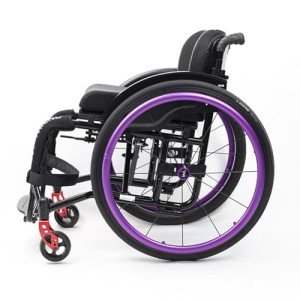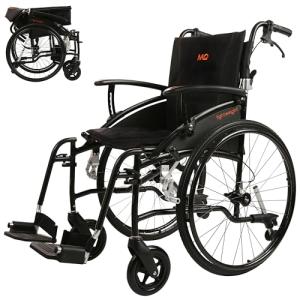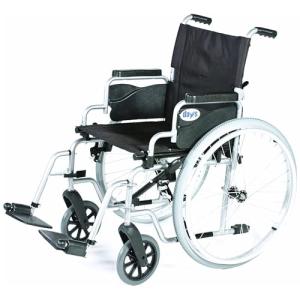

Mobility is a fundamental aspect of independence and quality of life. For many adults facing mobility challenges—whether due to age, injury, or chronic health conditions—the right wheelchair is not just a tool, but a gateway to the world. Among the diverse array of mobility aids available today, the lightweight aluminum folding wheelchair stands out as a premier choice. Combining structural integrity with ease of transport, these devices have revolutionized how users and caregivers navigate daily life.
This guide provides an exhaustive exploration of the benefits, features, and considerations surrounding lightweight aluminum folding wheelchairs, offering a comprehensive resource for those seeking to enhance their mobility.
The Shift Toward Aluminum: Why Material Matters
Historically, wheelchairs were constructed from heavy steel, often weighing between 40 and 60 pounds. While durable, these frames were difficult to propel for the user and cumbersome for caregivers to lift into vehicles. The introduction of aircraft-grade aluminum into the mobility industry changed the landscape.
Aluminum offers a high strength-to-weight ratio. It is naturally resistant to corrosion, making it more durable in various climates, and its inherent flexibility allows for a smoother ride by absorbing some of the vibrations from uneven surfaces.
Comparative Analysis: Steel vs. Aluminum Frames
| Feature | Standard Steel Wheelchair | Lightweight Aluminum Wheelchair |
|---|---|---|
| Average Weight | 40 – 55 lbs | 19 – 32 lbs |
| Durability | High, but prone to rust | High and rust-resistant |
| Propulsion Ease | Requires significant effort | Optimized for self-propulsion |
| Portability | Difficult to lift and store | Designed for frequent transport |
| Cost | Generally lower | Moderate to higher |
Key Benefits of Lightweight Folding Designs
The "folding" aspect of these wheelchairs is achieved through a cross-brace mechanism under the seat. When the seat is lifted, the sides of the frame pull together, allowing the chair to collapse into a narrow profile.
1. Enhanced Portability
The primary advantage is the ease of transportation. A lightweight aluminum chair can typically be folded and placed into the trunk of a standard sedan without the need for specialized vehicle lifts. This accessibility encourages users to attend social gatherings, medical appointments, and travel without the logistical anxiety associated with heavier equipment.
2. Reduced Strain for Caregivers
Caregiver burnout and physical strain are serious considerations in long-term care. Lifting a 25-pound chair is significantly safer for a caregiver’s back and joints than maneuvering a 50-pound steel model.
3. Increased Maneuverability
Because the frame is lighter, it requires less kinetic energy to move. This means the user can navigate tight corners, doorways, and household obstacles with greater precision and less fatigue.
Essential Features to Consider
When selecting a lightweight aluminum folding wheelchair, it is vital to look beyond just the weight. The following features contribute to the overall functionality and comfort of the device:
Seat and Upholstery
- Breathability: Modern chairs often use nylon or mesh upholstery to prevent heat buildup.
- Dimensions: Seat widths typically range from 16 to 22 inches. Choosing the correct width is crucial to prevent pressure sores and ensure the chair fits through standard interior doors.
Armrests and Footrests
- Flip-back Armrests: These allow for easier lateral transfers from the chair to a bed or toilet.
- Swing-away Footrests: These move out of the way to allow the user to stand up safely without tripping.
- Desk-length vs. Full-length: Desk-length armrests allow the user to pull up close to a dining table or desk.
Wheel Technology
- Quick-release Axles: These allow the large rear wheels to be removed with the push of a button, further reducing the weight and size of the frame for storage.
- Tire Type: Most lightweight chairs use solid polyurethane tires which are maintenance-free (no flats), though pneumatic (air-filled) tires offer better shock absorption for outdoor use.
Technical Specifications Overview
Prospective buyers should familiarize themselves with standard specifications to ensure the chair meets their physical requirements.
| Specification | Typical Range for Lightweight Aluminum |
|---|---|
| Weight Capacity | 250 lbs – 300 lbs (Standard) |
| Total Product Weight | 24 lbs – 34 lbs |
| Seat Widths | 16", 18", 20" |
| Folded Width | 10" – 13" |
| Rear Wheel Diameter | 22" – 24" |
| Front Caster Size | 6" – 8" |
Maintenance and Longevity
To ensure the safety and longevity of an aluminum wheelchair, a regular maintenance schedule should be followed. Despite being "low maintenance," the moving parts of a folding chair require attention.
Weekly Maintenance Checklist
- Tire Pressure/Condition: Check for cracks in solid tires or proper PSI in pneumatic ones.
- Brake Check: Ensure the wheel locks engage firmly and do not slip.
- Upholstery Inspection: Look for sagging or tears that might compromise support.
Monthly Maintenance Checklist
- Cleaning: Wipe down the aluminum frame with a damp cloth to remove salt, dirt, or debris.
- Tighten Bolts: Inspect the cross-brace and armrest bolts to ensure nothing has vibrated loose.
- Lubrication: Apply a silicone-based lubricant to the folding mechanism and axles if they begin to squeak or feel stiff.
Improving Quality of Life: The Psychological Impact
The transition to using a wheelchair is often a significant emotional milestone. A lightweight aluminum folding chair helps mitigate the "medical" feel of traditional mobility aids. Their sleek designs and ease of use foster a sense of autonomy. When a user knows they can handle their own chair—or that their spouse can easily load it into the car—the world feels more accessible. This leads to increased social participation, which is a key factor in preventing depression and cognitive decline in adults with limited mobility.
Frequently Asked Questions (FAQ)
1. Are lightweight aluminum wheelchairs as strong as steel ones?
Yes. Modern engineering and high-grade aluminum alloys allow these chairs to support significant weight (often up to 300 pounds) while remaining light. They are tested to meet the same safety standards as steel chairs.
2. Does Medicare cover the cost of a lightweight aluminum folding wheelchair?
Medicare and many private insurance providers do cover manual wheelchairs if they are deemed "medically necessary." However, a "lightweight" model often requires specific documentation from a physician explaining why a standard-weight chair is not sufficient for the user's needs.
3. Can I use a lightweight aluminum chair outdoors?
Absolutely. However, users should consider the type of tires. Solid tires are best for flat surfaces like malls and sidewalks, while pneumatic tires are better for absorbing the bumps of cracked pavement or gravel paths.
4. What is the difference between a "Transport Chair" and a "Lightweight Wheelchair"?
A transport chair has four small wheels and requires a caregiver to push it. A lightweight aluminum wheelchair has large rear wheels, allowing the user to self-propel. Aluminum folding chairs are often available in both configurations.
5. How do I know what seat width I need?
The general rule is to measure the user's hips at their widest point while seated and add 1 to 2 inches. This prevents the upholstery from being too tight while ensuring the chair can still pass through standard 30-inch household doors.
The lightweight aluminum folding wheelchair represents the perfect intersection of form and function. By prioritizing weight reduction without sacrificing structural integrity, these chairs provide adults with the freedom to move, travel, and engage with their communities. When selecting a model, focusing on the specific needs of the user—such as seat dimensions, armrest styles, and ease of folding—ensures that the wheelchair becomes a seamless extension of their lifestyle. Investing in a quality aluminum frame is an investment in long-term independence and physical well-being.