
Mobility is a cornerstone of independence. For individuals with limited lower-body strength or those recovering from injury, the choice of a mobility aid can significantly impact their quality of life. Among the various options available, the lightweight foldable self-propelled wheelchair has emerged as a premier solution for those seeking a balance between autonomy, comfort, and portability.
This guide explores the intricate details of these devices, providing an in-depth look at their features, benefits, and the factors one should consider before making a purchase.
What is a Lightweight Foldable Self-Propelled Wheelchair?
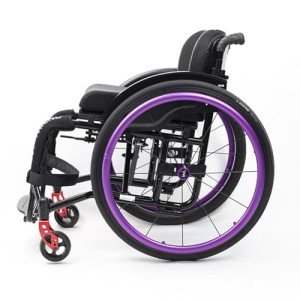
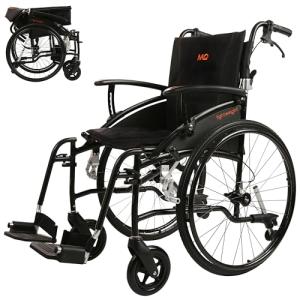
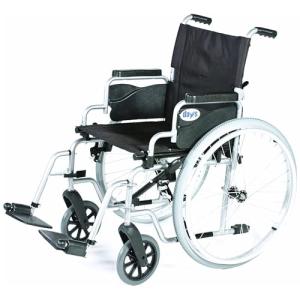
A self-propelled wheelchair is characterized by its large rear wheels, which feature "push rims" that allow the occupant to maneuver themselves without the assistance of an attendant. When these chairs are designed to be "lightweight," they are typically constructed from advanced materials like high-grade aluminum or carbon fiber. The "foldable" aspect refers to a frame—usually utilizing a cross-brace mechanism—that allows the chair to collapse into a compact shape for storage or transport.
Material Innovation: The Core of Lightness
In the past, wheelchairs were often heavy, cumbersome steel structures that weighed upwards of 20kg (44lbs). Modern lightweight models have revolutionized this, often weighing between 8kg and 14kg. This weight reduction is achieved through the use of:
- Aircraft-Grade Aluminum: Offers an excellent strength-to-weight ratio and natural resistance to corrosion.
- Carbon Fiber: Representing the pinnacle of lightweight tech, these frames are incredibly light but usually come at a higher price point.
- Titanium: Known for its durability and shock-absorption properties, though less common in standard foldable models.
Key Features and Technical Specifications
When evaluating a lightweight foldable self-propelled wheelchair, understanding the technical specifications is vital. Below is a comparison table showcasing the typical differences between standard wheelchairs and modern lightweight foldable models.
Table 1: Standard vs. Lightweight Foldable Wheelchairs
| Feature | Standard Manual Wheelchair | Lightweight Foldable Wheelchair |
|---|---|---|
| Frame Material | Steel | Aluminum / Carbon Fiber |
| Average Weight | 18kg - 25kg | 8kg - 14kg |
| Portability | Difficult; often requires two people | Easy; fits in most car boots |
| Maneuverability | Requires more effort to push | Highly responsive; low rolling resistance |
| Customizability | Limited | High (adjustable armrests, footrests, etc.) |
| Price Range | Budget-friendly | Mid to High-end |
The Benefits of Self-Propulsion and Portability
Choosing a self-propelled model over a transit model (which has four small wheels and requires an attendant) offers several physiological and psychological advantages.
1. Enhanced Independence
The ability to navigate one's environment without waiting for assistance fosters a sense of agency. Users can move around their homes, visit shops, and engage in social activities on their own terms.
2. Physical Exercise and Cardiovascular Health
Self-propelling acts as a form of upper-body exercise. It helps maintain muscle tone in the arms, shoulders, and chest, while also providing a mild cardiovascular workout that is beneficial for long-term health.
3. Ease of Transport
The "foldable" nature of these chairs is a game-changer for travel. Most models allow for the quick removal of the rear wheels (via quick-release axles) and the folding of the backrest, making the chair compact enough to fit in the trunk of a small sedan or even in the overhead bin of a train.
4. Versatility
Self-propelled chairs are designed with larger wheels that can handle various terrains better than small-wheeled transit chairs. The larger diameter allows the chair to roll over cracks in the pavement, rugs, and small door thresholds with minimal effort.
Essential Considerations When Choosing a Wheelchair
Selecting the right wheelchair requires more than just looking at the weight. It must be tailored to the user’s body and lifestyle.
Factors to Evaluate:
- Seat Width and Depth: The seat must be wide enough to be comfortable but narrow enough to fit through standard doorways.
- Weight Capacity: It is crucial to ensure the frame is rated for the user’s weight to prevent structural failure.
- Wheel Type: Solid tires are puncture-proof and low-maintenance, whereas pneumatic (air-filled) tires provide better cushioning on uneven surfaces.
- Adjustability: Look for chairs with adjustable footplate heights and flip-back armrests, which make transferring in and out of the chair easier.
Maintenance and Care for Longevity
To ensure the safety and longevity of a lightweight wheelchair, a regular maintenance routine is essential. Because these chairs are often made of thinner, lighter materials, they require attentive care.
Maintenance Checklist:
- Tire Pressure (if pneumatic): Check weekly to ensure optimal rolling efficiency.
- Brake Functionality: Regularly test the parking brakes to ensure they grip the tires firmly.
- Folding Mechanism: Lubricate the cross-brace joints every few months to prevent rusting or squeaking.
- Cleaning the Frame: Wipe down the aluminum frame with a damp cloth to remove salt or grit, which can lead to pitting.
- Upholstery Check: Look for sagging or tears in the seat and backrest, as these can affect posture and comfort.
Comparison of Common Frame Metals
Table 2: Material Performance
| Material | Weight | Durability | Vibration Dampening | Cost |
|---|---|---|---|---|
| Steel | High | Excellent | Low | Low |
| Aluminum | Low | High | Moderate | Moderate |
| Carbon Fiber | Very Low | Moderate/High | High | High |
Frequently Asked Questions (FAQ)
1. Is it hard to push a self-propelled wheelchair?
While it requires upper body strength, lightweight models are significantly easier to push than older, heavier chairs. The use of high-quality bearings and lightweight frames minimizes "rolling resistance," making movement smoother.
2. Can I use a self-propelled wheelchair if I have an attendant?
Yes. Most self-propelled wheelchairs also feature push handles on the back, allowing an attendant to take over if the user becomes tired.
3. Will a lightweight foldable chair fit in a small car?
In most cases, yes. By folding the frame and utilizing quick-release wheels, the chair's footprint is drastically reduced. It is always recommended to check the folded dimensions against the vehicle's trunk measurements.
4. Are these wheelchairs suitable for outdoor use?
Absolutely. The larger rear wheels are specifically designed to navigate outdoor surfaces like sidewalks and gravel paths more effectively than small-wheeled transit chairs.
5. How often should the upholstery be replaced?
Depending on usage, seat and backrest upholstery typically lasts 1–3 years. If the material begins to sag significantly (an effect known as "hammocking"), it should be replaced to maintain proper spinal support.
The lightweight foldable self-propelled mobility wheelchair represents a perfect intersection of engineering and empathy. By prioritizing weight reduction and portability without sacrificing the user’s ability to control their own movement, these devices empower individuals to lead more active, integrated lives.
When choosing a model, it is vital to prioritize the user’s specific measurements and lifestyle needs. Whether for daily use or as a secondary chair for travel, investing in a high-quality, lightweight frame is an investment in freedom. Through proper maintenance and the selection of the right materials, such a wheelchair can serve as a reliable companion for years to come.