

Mobility is a fundamental aspect of human independence, influencing how individuals interact with their environment and maintain their quality of life. For those with limited mobility, the wheelchair is not merely a piece of medical equipment; it is a gateway to the world. In recent years, the industry has seen a significant shift toward the lightweight foldable self-propelled mobility wheelchair. This innovation combines the physical benefits of manual propulsion with the logistical ease of a portable design.
This guide explores the intricacies of these chairs, their benefits, technical specifications, and how to choose the right model to ensure long-term comfort and autonomy.
Understanding the Lightweight Foldable Self-Propelled Wheelchair
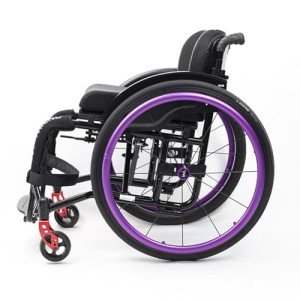
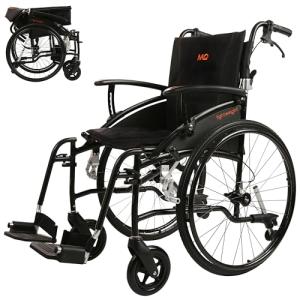
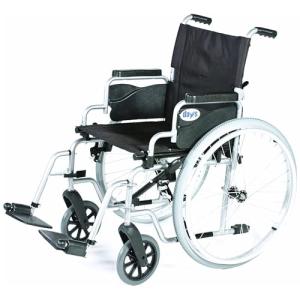
A self-propelled wheelchair is characterized by its large rear wheels, equipped with hand rims that allow the user to maneuver the chair independently. The "lightweight" and "foldable" designations refer to the advanced materials used in construction and the mechanical design that allows the frame to collapse for storage or transport.
Unlike standard manual wheelchairs, which can weigh upwards of 20 kg (45 lbs), lightweight models typically weigh between 9 kg and 15 kg (20–30 lbs). This reduction in weight is achieved through the use of aerospace-grade aluminum, magnesium, or carbon fiber.
Key Features and Components
- The Folding Mechanism: Most of these chairs utilize a "cross-brace" or "scissor" frame. By pulling upward on the seat upholstery, the sides of the chair move together, significantly reducing its width.
- Quick-Release Wheels: Many high-end lightweight models feature buttons on the axles that allow the large rear wheels to be removed in seconds, making the frame even easier to lift into a vehicle.
- Ergonomic Hand Rims: Since these are self-propelled, the rims are designed for grip and comfort to prevent repetitive strain injuries in the user's wrists and palms.
- Adjustable Components: To accommodate different body types, these chairs often feature adjustable footrest lengths, armrest heights, and backrest tensions.
The Benefits of Choosing a Lightweight Self-Propelled Model
The decision to opt for a lightweight self-propelled chair offers advantages ranging from physiological health to psychological well-being.
Enhanced Portability and Storage
For active individuals, the ability to fold a wheelchair and place it in the trunk of a standard sedan or a storage closet is vital. The reduced weight ensures that caregivers or the users themselves can handle the device without risking back strain.
Physical Health and Aerobic Exercise
Self-propelling provides a consistent form of upper-body exercise. It helps maintain muscle tone in the arms, shoulders, and core, while also promoting cardiovascular health. Maintaining this level of activity can prevent the secondary health complications often associated with sedentary lifestyles.
Autonomy and Mental Well-being
Relying on a transit chair (which requires an attendant to push) can sometimes lead to feelings of helplessness. A self-propelled chair grants the user the freedom to move at their own pace, choose their own direction, and navigate social spaces independently.
Material Comparison and Technical Specifications
When selecting a wheelchair, the material of the frame dictates the weight, durability, and cost. Below are the common materials used in modern lightweight wheelchairs.
Table 1: Frame Material Comparison
| Material | Average Weight | Durability | Cost | Best For |
|---|---|---|---|---|
| Purity Steel | High (18kg+) | Extremely High | Low | Rare use, indoor stability |
| Aluminum Alloy | Medium (12-15kg) | High | Mid-range | General daily use, portability |
| Titanium | Low (9-11kg) | Very High | High | Frequent travelers, active users |
| Carbon Fiber | Ultra-Low (<9kg) | High (but brittle) | Premium | Maximum performance, easy lifting |
Table 2: Standard Specifications to Consider
| Feature | Standard Range | Impact on User |
|---|---|---|
| Seat Width | 16" - 20" | Determines comfort and accessibility to narrow doors |
| Weight Capacity | 100kg - 135kg | Ensures safety and frame structural integrity |
| Rear Wheel Size | 22" - 24" | Affects ease of propulsion and obstacle clearance |
| Folded Width | 25cm - 35cm | Determines if it fits in small car trunks |
Factors to Consider When Purchasing
Selecting the right wheelchair requires a balance between the user’s physical needs and their lifestyle requirements.
1. The Environment of Use
If the chair is primarily for indoor use, a narrower frame and solid tires (which cannot puncture) are ideal. For outdoor use on gravel or uneven pavement, users might prefer pneumatic (air-filled) tires, which provide better shock absorption.
2. User Measurements
A wheelchair must fit like a tailored suit. A seat that is too wide makes it difficult to reach the hand rims, leading to shoulder strain. A seat that is too narrow can cause pressure sores.
Recommended measurements to take:
- Hip Width: Add 2 inches to the measurement for seat width.
- Thigh Length: Measure from the back of the buttocks to the back of the knee.
- Back Height: Depends on the level of trunk support required.
3. Ease of Folding
Not all folding mechanisms are created equal. Some "travel" models fold both the frame and the backrest (half-folding back), making the folded footprint even smaller. Users should test the mechanism to ensure they have the hand strength required to operate the locks.
Pros and Cons of Lightweight Self-Propelled Wheelchairs
To provide a balanced view, it is important to look at both the advantages and the potential limitations of these devices.
Advantages (Pros)
- Independence: Users are not dependent on an attendant.
- Travel-Friendly: Fits in most cars and is often accepted by airlines as checked luggage without extra fees.
- Maneuverability: The large wheels allow for easier navigation over small bumps or door thresholds.
- Customization: Many models allow for upgraded cushions or specialized tires.
Disadvantages (Cons)
- Fatigue: Self-propelling over long distances or up steep inclines can be exhausting.
- Width: The large rear wheels make the chair wider than a transit/transport chair, which may be an issue in very cramped bathrooms.
- Price: Lightweight materials are more expensive than traditional heavy-duty steel.
Maintenance for Longevity
To ensure the safety and longevity of a lightweight foldable wheelchair, a regular maintenance schedule should be followed.
- Weekly: Check tire pressure (for pneumatic tires) and wipe down the frame to remove salt or dirt.
- Monthly: Inspect the folding mechanism for smoothness. Use a silicone-based lubricant if it feels stiff.
- Quarterly: Ensure all bolts and nuts are tight, particularly on the footrests and the axles.
- Annually: Have a professional check the wheel alignment and the "tracking" (ensuring the chair doesn't pull to one side).
Frequently Asked Questions (FAQ)
Q: Can a lightweight self-propelled wheelchair be pushed by someone else?A: Yes. Most models come equipped with push handles at the rear. While designed for self-propulsion, they are perfectly functional as attendant-pushed chairs when the user is tired.
Q: Are these wheelchairs suitable for bariatric users?A: While many lightweight chairs have a weight limit of 100kg–120kg, there are "Lightweight Bariatric" models specifically designed with reinforced aluminum frames to handle higher weights without sacrificing the folding capability.
Q: Will my insurance or Medicare cover a lightweight folding chair?A: In many regions, insurance covers a "standard" wheelchair. To get a "lightweight" or "ultra-lightweight" model covered, a doctor usually needs to provide a letter of medical necessity explaining why the lighter weight is required for the user’s independence or to prevent injury.
Q: Can I take these wheelchairs on an airplane?A: Yes. Because they are foldable and manual (no batteries), they are generally easy to transport. Most airlines allow you to bring the wheelchair to the gate, where it is then stowed in the hold.
Q: What is the difference between solid and pneumatic tires?A: Solid tires are maintenance-free and cannot go flat, but they offer a bumpier ride. Pneumatic tires offer a smoother ride and better "grip" but require regular air pressure checks and can be punctured.
The lightweight foldable self-propelled mobility wheelchair represents a perfect harmony between engineering and empathy. By utilizing modern materials to reduce weight and incorporating intuitive folding designs, these chairs remove many of the barriers that individuals with limited mobility face daily. Whether it is a trip to the local grocery store or a vacation across the globe, the right wheelchair empowers users to navigate their journey with confidence, comfort, and most importantly, independence.
When choosing a model, individuals should prioritize fit, material quality, and the specific needs of their daily environment to ensure they find a mobility solution that truly enhances their life.