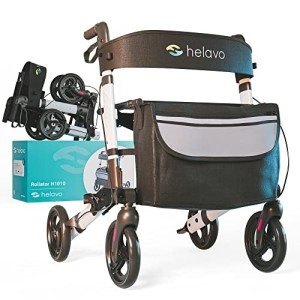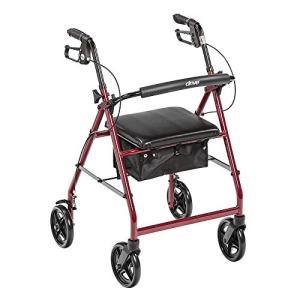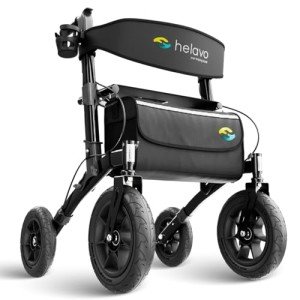

For individuals facing mobility challenges, the world can sometimes feel like it is shrinking. Whether due to aging, injury, or chronic conditions like arthritis, the ability to move freely is fundamental to maintaining physical health and emotional well-being. This is where the lightweight folding 4-wheel mobility walker with a seat—commonly known as a rollator—becomes a life-changing tool.
Unlike traditional walkers that must be lifted with every step, a 4-wheel mobility walker glides smoothly, providing continuous support. In this guide, we explore the features, benefits, and essential considerations for choosing the right lightweight folding walker to regain independence and confidence.
What is a Lightweight Folding 4-Wheel Mobility Walker?
A 4-wheel mobility walker is an evolution of the standard medical walker. It features four wheels, handlebars with hand-activated brakes, and a built-in seat. The "lightweight" and "folding" aspects are critical for modern users who need a device that is easy to maneuver and simple to transport in a vehicle or store in a small apartment.
Key Components of a Quality Rollator
- Aluminum Frame: Most lightweight models use aircraft-grade aluminum to keep the weight between 13 and 18 pounds while maintaining high structural integrity.
- Hand Brakes: Loop-lock brakes allow the user to slow down while walking or lock the wheels completely when sitting.
- Padded Seat and Backrest: Provides a mobile resting station for users who fatigue easily.
- Folding Mechanism: Typically a "cross-fold" or "tuck-fold" design that allows the walker to stand upright even when collapsed.
- Storage Pouch: An under-seat basket or front-mounted bag for personal items.
Comparison: Standard Walker vs. 4-Wheel Rollator
Understanding the differences between mobility aids helps in making an informed decision.
| Feature | Standard Walker | 4-Wheel Rollator (Lightweight/Folding) |
|---|---|---|
| Movement | Must be lifted or slid | Continuous rolling |
| Speed | Slow and deliberate | Natural walking pace |
| Safety Features | Rubber tips | Locking hand brakes |
| Resting | No seat included | Built-in padded seat |
| Portability | Folds flat, very light | Folds compactly, slightly heavier than standard |
| Ideal Terrain | Indoors, flat surfaces | Indoors and outdoors (pavements, parks) |
The Benefits of Choosing a Lightweight Folding Model
1. Increased Stamina and Reduced Fatigue
The most significant advantage of a walker with a seat is the ability to rest whenever necessary. For individuals with respiratory issues or heart conditions, the knowledge that a seat is always behind them reduces the anxiety of "running out of energy" in public spaces.
2. Superior Maneuverability
The swivel front wheels on a 4-wheel walker allow for a much tighter turning radius than 2-wheel walkers. This makes navigating grocery store aisles, narrow hallways, or busy sidewalks significantly easier.
3. Ease of Transport
The "folding" feature is non-negotiable for active seniors. High-quality models can be folded with one hand by pulling a strap on the seat. Once folded, they fit easily into the trunk or even the backseat of a car, ensuring that mobility support is available for doctor visits, shopping trips, or vacations.
4. Customization and Comfort
Modern rollators offer adjustable handle heights. Proper ergonomic alignment prevents slouching and reduces strain on the shoulders and wrists.
What to Look for When Purchasing
When selecting a lightweight 4-wheel mobility walker, several specifications must be checked to ensure safety and comfort.
Checkpoint List for Buyers:
- Weight Capacity: Ensure the frame is rated for the user’s weight (standard models support up to 300 lbs; bariatric models support up to 500 lbs).
- Handle Height: The handles should be at the level of the user’s wrists when their arms are hanging naturally at their sides.
- Wheel Size: 6-inch wheels are great for indoors; 8-inch wheels are better for outdoor versatility (grass, gravel, or cracked sidewalks).
- Seat Height: The user’s feet should rest flat on the floor when sitting.
- Overall Width: Measure the narrowest doorways in the home to ensure the walker can pass through comfortably.
Maintenance and Safety Tips
To keep a mobility walker in top condition, regular maintenance is required. Because these devices are used for weight-bearing support, a mechanical failure could lead to a fall.
Maintenance Steps:
- Inspect the Brakes: Check weekly to ensure the brakes engage tightly and the locking mechanism holds the walker still.
- Tighten Bolts: Vibrations from walking on uneven surfaces can loosen screws over time.
- Clean the Wheels: Hair, lint, and dirt can clog the wheel axles. Wipe them down regularly to maintain a smooth glide.
- Check the Folding Hinge: Ensure the locking pin or mechanism that keeps the walker open is fully engaged before use.
Safety Protocol:
- Always lock the brakes before sitting down.
- Never "ride" the walker like a wheelchair; it is not designed to be pushed while someone is sitting on it.
- Walk "inside" the walker, not behind it. Users should stand between the rear wheels for maximum stability.
Frequently Asked Questions (FAQ)
Q: Is a 4-wheel walker better than a 3-wheel walker?
A: A 4-wheel walker is generally more stable and almost always includes a seat. A 3-wheel walker (tri-walker) is more maneuverable in very tight spaces but lacks a seat and is more prone to tipping if the user leans too heavily on one side.
Q: Does Medicare cover the cost of a folding rollator?
A: In many cases, yes. Medicare Part B may cover a portion of the cost of a "durable medical device" (DME) if it is deemed medically necessary and prescribed by a doctor. However, specific "lightweight" or "luxury" features might require an out-of-pocket "upgrade" fee.
Q: Can I use a rollator on carpet?
A: Yes, but it requires slightly more effort than on hard floors. Models with larger 8-inch wheels tend to perform significantly better on high-pile carpets.
Q: How do I know if the walker is the right height?
A: Stand up straight and let your arms hang. The handgrips should be level with your wrist creases. When you grip the handles, your elbows should be slightly bent (about 20–30 degrees).
Q: Are these walkers difficult to assemble?
A: Most modern lightweight walkers come 90% pre-assembled. Usually, the user only needs to insert the handlebars and the backrest, often utilizing "tool-free" thumb screws.
The lightweight folding 4-wheel mobility walker with a seat is more than just a medical device; it is a gateway to a more active lifestyle. By combining the stability of a four-point base with the convenience of a portable chair, it allows users to engage with their communities, attend family events, and perform daily tasks with less pain and exhaustion.
When choosing a model, prioritize a balance between a weight you can lift and a frame sturdy enough to support you. With the right rollator, the world becomes accessible once again, allowing for movements that are safe, supported, and dignified.