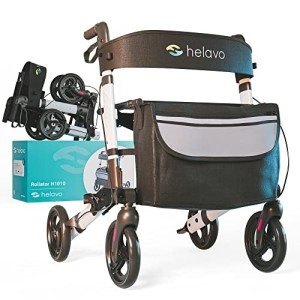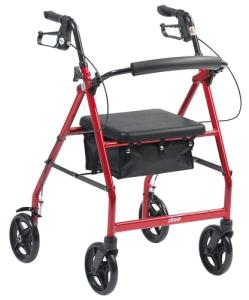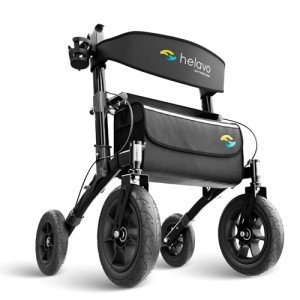

For individuals experiencing challenges with balance, stamina, or lower-body strength, maintaining independence is often the primary goal. The lightweight folding 4-wheel mobility walker, commonly referred to as a "rollator," has emerged as a transformative tool in the world of assistive technology. Unlike traditional walkers that require the user to lift the frame with every step, these wheeled units allow for a fluid, natural walking gait.
This guide provides an in-depth exploration of the features, benefits, and practical considerations of choosing a high-quality 4-wheel mobility walker.
Understanding the Rollator: More Than Just a Walker
A 4-wheel mobility walker is distinguished by its four-legged frame equipped with wheels on every leg. This design facilitates continuous movement without the taxing effort of lifting the device. Most modern models are constructed from high-grade aluminum, ensuring they remain lightweight for transport while maintaining the structural integrity necessary to support various body weights.
The integration of a built-in seat is perhaps the most significant feature of these devices. It provides a reliable place for the user to rest during excursions, effectively removing the anxiety associated with long distances where public seating may be unavailable.
Key Specifications of Standard Models
When evaluating different models, understanding the technical specifications is crucial. The following table highlights the typical attributes of a premium lightweight folding walker.
| Feature | Standard Specification Range |
|---|---|
| Frame Material | High-grade Aluminum or Titanium Alloy |
| Total Weight | 13 lbs (6 kg) to 18 lbs (8 kg) |
| Weight Capacity | 250 lbs to 350 lbs (Bariatric models higher) |
| Wheel Diameter | 6 inches (Indoor) to 8 inches (All-terrain) |
| Seat Height | 18 inches to 23 inches (often adjustable) |
| Folding Width | 8 inches to 12 inches when collapsed |
Essential Features of Folding 4-Wheel Walkers
To maximize the utility of a mobility aid, several engineering features must work in harmony. The modern rollator is a result of ergonomic research aimed at reducing strain on the hands, back, and legs.
1. The Folding Mechanism
Portability is a cornerstone of "lightweight" design. Most 4-wheel walkers utilize either a side-to-side folding mechanism or a "pull-up" cross-brace design. This allows the device to be stored in the trunk of a car, tucked under a table at a restaurant, or transported on an airplane with ease.
2. Ergonomic Braking Systems
Safety is managed through hand-operated brakes located on the handles. These typically serve two functions:
- Deceleration Brakes: Used to slow the walker down when navigating inclines.
- Parking Brakes: Engaged by pushing the levers downward until they click, locking the wheels in place. This is a critical safety step before the user attempts to sit on the walker.
3. Adjustable Handle Height
To prevent muscular strain and slouching, the handles of the walker must be set to the correct height. Most models offer push-button height adjustments. The ideal height is generally at the level of the user’s wrists when their arms are hanging naturally at their sides.
4. Comfort and Convenience
Mobility aids are daily companions, meaning comfort and storage are essential. Most walkers include:
- A padded seat and backrest.
- Under-seat storage bags or front-mounted baskets for personal items.
- Cane holders or cup holder attachments.
The Benefits of Using a 4-Wheel Walker
Implementing the use of a wheeled walker can lead to significant improvements in both physical health and psychological well-being.
- Increased Endurance: The ability to stop and rest on the built-in seat allows users to travel further distances than they would with a traditional walker or cane.
- Improved Posture: By providing a stable base at the correct height, these walkers encourage users to walk upright rather than hunched over.
- Enhanced Stability: The four-wheel configuration provides a wide "track," which offers superior lateral stability on uneven surfaces.
- Reduced Joint Impact: The rolling motion eliminates the jarring impact on shoulders and wrists that comes with lifting a standard walker.
Choosing the Right Model: A Comparison
Not all walkers are created equal. The choice often depends on whether the device will be used primarily indoors on flat surfaces or outdoors on sidewalks and trails.
| User Need | Recommended Feature | Why? |
|---|---|---|
| Frequent Traveler | Ultra-lightweight Carbon Fiber | Easiest to lift into overhead bins or car trunks. |
| Outdoor Enthusiast | 8-inch Pneumatic Wheels | Larger wheels navigate gravel, grass, and cracked pavement better. |
| Small Living Space | Compact Turning Radius | Narrower frames allow for easier movement through bathroom doors. |
| Bariatric User | Reinforced Steel Frame | Provides a wider seat and higher weight threshold for safety. |
Safety Protocols and Maintenance
For a mobility aid to remain safe, regular maintenance is required. Because the device is mechanical, parts can wear down over time.
Maintenance Checklist
- Brake Inspection: Monthly checks should ensure the brakes grip the tires firmly when engaged.
- Wheel Integrity: Tires should be checked for flat spots or debris stuck in the axles.
- Bolt Tightness: Every few months, the screws and bolts—especially at folding joints—should be tightened.
- Cleaning: The frame should be wiped with a damp cloth to prevent the buildup of grit which can interfere with the folding mechanism.
Ergonomics: How to Use the Walker Correctly
It is a common mistake to push the walker too far out in front of the body. To maintain maximum stability, the user should walk within the frame of the walker. The rear wheels should be slightly behind the user’s heels. When sitting down, it is imperative to ensure both parking brakes are locked and the walker is positioned against a stable surface if possible.
Frequently Asked Questions (FAQ)
What is the difference between a walker and a rollator?
A standard walker has a simple frame with four legs (sometimes with two front wheels) and must be lifted to move. A rollator has four wheels and a braking system, allowing it to be pushed continuously. Most rollators also include a seat, which standard walkers do not.
Can these walkers be used on grass or gravel?
Yes, but performance depends on wheel size. Models with 8-inch wheels are generally considered "all-terrain" and handle grass or gravel significantly better than models with 6-inch wheels, which are designed for smooth, indoor surfaces.
Are lightweight walkers strong enough for larger individuals?
Lightweight does not mean weak. Many aluminum rollators are engineered to support 300 lbs or more. However, users should always verify the specific "Weight Capacity" of a model before purchasing.
How do I know what seat height I need?
The user should measure from the floor to the back of their knee while wearing their usual walking shoes. The seat height should be close to this measurement to ensure the user's feet can rest flat on the floor while sitting.
Is it difficult to fold a 4-wheel walker?
Most modern designs prioritize ease of use. Many can be folded with one hand by pulling a strap on the seat. Once folded, they usually stay in a locked position for easier transport.
The lightweight folding 4-wheel mobility walker with a seat represents a pinnacle of accessible design. By combining the stability of a four-point frame with the convenience of wheels and a resting station, these devices empower individuals to maintain an active lifestyle. Whether it is for a trip to the grocery store, a stroll through a local park, or simply navigating the home with greater confidence, the right rollator provides the support necessary to move through the world with dignity and ease. By considering weight, wheel size, and ergonomic features, users can find a model that perfectly suits their specific mobility needs.