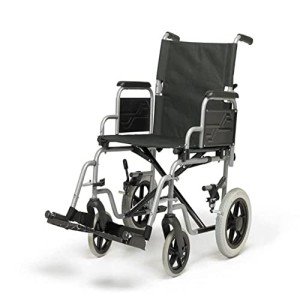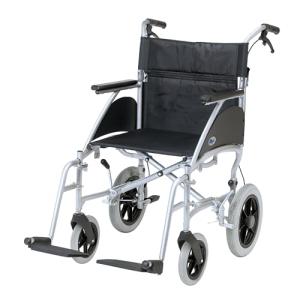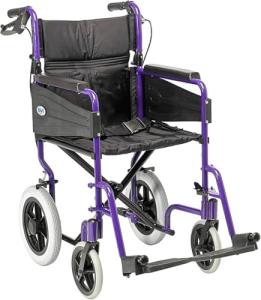


Mobility challenges should never be a barrier to experiencing the world, visiting family, or simply enjoying a day at the park. For individuals with limited mobility and their caregivers, the choice of a mobility aid can significantly impact their quality of life. Among the various options available, the lightweight folding aluminium transit wheelchair with handbrakes stands out as a premier solution for those seeking a balance of durability, portability, and safety.
This guide explores the intricate details of these mobility devices, examining why aluminium is the material of choice, how transit models differ from self-propelled options, and the critical importance of attendant-operated handbrakes.
Understanding the Transit Wheelchair
A transit wheelchair, often referred to as a "transport wheelchair," is specifically designed for users who are unable to propel themselves and require the assistance of a caregiver or attendant. Unlike self-propelled wheelchairs, which feature large rear wheels with hand rims, transit wheelchairs are equipped with four smaller wheels.
This design choice serves a specific purpose: reducing the overall weight and footprint of the chair. Because the rear wheels do not need to be reached by the user, the chair can be made narrower and more compact, making it ideal for navigating tight indoor spaces, shopping aisles, and public transport.
The Significance of Aluminium Construction
In the world of mobility aids, material choice is paramount. Historically, wheelchairs were constructed from heavy steel. While durable, steel frames are cumbersome and difficult to lift. The shift toward aluminium has revolutionized the industry.
Aluminium offers a high strength-to-weight ratio. It provides the structural integrity necessary to support various body weights while remaining light enough for a caregiver to lift into a car trunk or carry up a flight of stairs. Furthermore, aluminium is naturally resistant to corrosion, ensuring the longevity of the frame even in humid or damp environments.
Comparison: Aluminium vs. Steel Wheelchairs
| Feature | Aluminium Transit Wheelchair | Steel Transit Wheelchair |
|---|---|---|
| Average Weight | 9kg – 12kg | 15kg – 20kg+ |
| Portability | High (Easy to lift and store) | Low (Heavy and bulky) |
| Durability | High/Corrosion Resistant | High/Prone to Rust if Scratched |
| Maneuverability | Excellent | Average |
| Cost | Generally Higher | Generally Lower |
Key Features to Look For
When selecting a lightweight folding aluminium transit wheelchair, several features determine the comfort of the user and the ease of use for the attendant.
1. Attendant Handbrakes
One of the most critical safety features of a modern transit chair is the inclusion of handbrakes located on the push handles. These are distinct from the standard wheel locks found on the frame.
Handbrakes allow the attendant to control the speed of the wheelchair while descending ramps or slopes. This reduces the physical strain on the caregiver and prevents the chair from "runaway" scenarios on inclines. Most systems feature a "lock" mechanism within the handbrake, allowing the caregiver to secure the chair without bending down to reach the wheels.
2. The Folding Mechanism
Portability is the primary selling point of this category. A quality transit chair should feature a cross-brace folding mechanism. With a simple pull of the seat upholstery, the chair should collapse side-to-side. For even greater compactness, many models feature "half-folding" backrests, which allow the top half of the backrest to fold down, significantly reducing the height of the chair for storage in small car boots.
3. Comfortable Seating and Ergonomics
While the chair is lightweight, user comfort should not be compromised. Key ergonomic features include:
- Padded Upholstery: Durable, breathable nylon or reinforced vinyl.
- Swing-Away Footrests: These allow the user to sit down and stand up without tripping over the footplates.
- Padded Armrests: Usually fixed or desk-length to allow the user to sit closer to tables.
4. Wheel Material
Most lightweight transit chairs use puncture-proof solid tires. These are typically made of polyurethane (PU) or solid rubber. This eliminates the need for a pump and ensures that the user is never stranded with a flat tire.
Safety and Specification Standards
Before purchasing, it is important to understand the technical specifications that determine if a chair is suitable for a specific individual.
Typical Specifications Table
| Specification | Standard Range |
|---|---|
| Max User Weight Capacity | 100kg - 130kg |
| Seat Widths | 16", 18", or 20" |
| Total Product Weight | 11kg (approx.) |
| Rear Wheel Size | 8" - 12" |
| Front Castor Size | 6" - 8" |
| Frame Material | Aircraft-grade Aluminium |
Who Benefits Most from a Transit Wheelchair?
The lightweight folding aluminium transit wheelchair is a versatile tool, but it is specifically beneficial for certain demographics:
- Caregivers with Limited Strength: Because the chair is crafted from aluminium, it is significantly easier for elderly spouses or smaller individuals to manage.
- Frequent Travelers: For families that often go to malls, airports, or parks, the folding nature of the chair makes it an essential travel companion.
- Post-Operative Patients: Individuals recovering from surgery (such as hip or knee replacements) who may only need a mobility aid for a few months prefer the lightweight nature of these chairs.
- Users in High-Density Areas: The narrow profile of transit chairs makes them perfect for those living in apartments or navigating busy urban sidewalks.
Maintenance Tips for Longevity
To ensure the safety and longevity of an aluminium transit wheelchair, regular maintenance is required. Caregivers should follow this checklist:
- Check the Brakes Weekly: Ensure both the attendant handbrakes and the wheel locks engage firmly.
- Wipe Down the Frame: Use a damp cloth to remove salt, dirt, or moisture to maintain the aluminium finish.
- Inspect the Folding Mechanism: Ensure the cross-brace opens and closes smoothly. Apply a silicone-based lubricant if the joints become stiff.
- Examine the Tires: Check for excessive wear or debris lodged in the wheels that might impede movement.
- Tighten Bolts: Periodically check that the footrests and armrests are securely fastened.
Frequently Asked Questions (FAQ)
Q: Can a user propel themselves in a transit wheelchair?
A: No. Transit wheelchairs have small rear wheels that are out of the reach of the user. They are designed exclusively to be pushed by an attendant.
Q: Are aluminium wheelchairs as strong as steel ones?
A: Yes. Modern aluminium alloys used in wheelchairs are engineered to support significant weights (often up to 130kg) while being much lighter than steel.
Q: Can these wheelchairs be used on uneven terrain?
A: While they are best suited for flat surfaces like pavements and indoor floors, they can handle short distances on firm grass or packed gravel. However, the small wheels make them less efficient on very rough ground compared to large-wheeled self-propelled chairs.
Q: Is it easy to fold the chair for a car boot?
A: Yes. Most aluminium transit chairs fold to a width of approximately 25-30cm. Features like half-folding backrests and removable footrests further reduce the size to fit into even the most compact vehicles.
Q: Do handbrakes require a lot of grip strength?
A: Most attendant handbrakes are designed with leverage in mind, meaning they require minimal effort to slow the chair down. They also usually feature a locking mechanism that can be engaged easily.
The lightweight folding aluminium transit wheelchair with handbrakes represents the pinnacle of modern mobility design for the assisted user. By prioritizing the needs of both the user and the caregiver, these chairs provide a level of freedom that heavier, more cumbersome models simply cannot match.
The combination of a rust-resistant aluminium frame, the safety of attendant-operated handbrakes, and the convenience of a compact folding design makes this mobility aid an invaluable investment. Whether it is for daily errands, medical appointments, or holiday travel, choosing a high-quality transit wheelchair ensures that safety and comfort are never left behind.