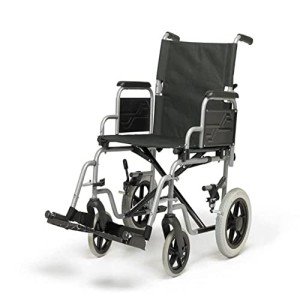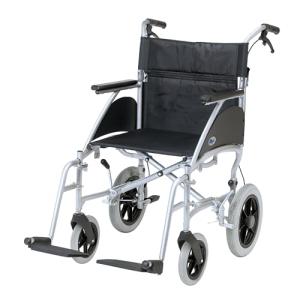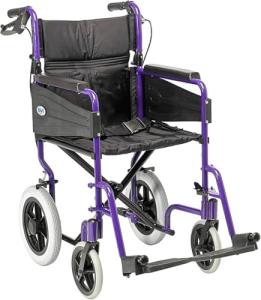





Mobility is a fundamental aspect of independence and quality of life. For individuals with limited mobility due to age, injury, or chronic health conditions, the selection of a wheelchair is one of the most significant decisions they will face. In recent years, the industry has seen a massive shift away from heavy, cumbersome steel chairs toward the lightweight folding aluminium wheelchair with hand brakes.
This evolution in design focuses on three core pillars: portability, safety, and durability. This guide provides an in-depth exploration of why these specific wheelchairs have become the gold standard for both users and caregivers, detailing their features, benefits, and technical specifications.
The Rise of Aluminium in Mobility Engineering
Historically, wheelchairs were constructed primarily from steel. While steel is undeniably strong, its weight makes it difficult for users to self-propel and challenging for caregivers to transport. The introduction of aircraft-grade aluminium changed the landscape of mobility aids.
Why Aluminium?
Aluminium offers a high strength-to-weight ratio. This means a wheelchair can support a significant amount of weight while remaining light enough to be lifted into a car trunk with one hand. Furthermore, aluminium is naturally resistant to corrosion and rust, making it an ideal material for those living in humid or coastal climates.
Key Benefits of Aluminium Frames:
- Reduced Physical Strain: Lighter frames require less energy to push.
- Corrosion Resistance: Unlike steel, aluminium does not rust when exposed to moisture.
- Durability: Modern alloys are engineered to withstand daily wear and tear for years.
- Aesthetics: Aluminium frames often feature sleek, modern finishes that give the device a less "clinical" appearance.
Comparing the Heavyweights: Aluminium vs. Steel
To better understand the value of a lightweight folding aluminium wheelchair, it is helpful to compare it directly against traditional steel alternatives.
Table 1: Aluminium vs. Steel Wheelchairs
| Feature | Aluminium Wheelchairs | Steel Wheelchairs |
|---|---|---|
| Typical Weight | 9kg – 14kg (20lb – 30lb) | 18kg – 25kg (40lb – 55lb) |
| Portability | High (Easy to lift/fold) | Low (Heavy and bulky) |
| Propulsion | Easier for self-propelling | Requires more upper-body strength |
| Oxidation | Highly resistant to rust | Prone to rust if paint is chipped |
| Price Point | Mid to High | Generally Budget-Friendly |
| Ideal Use | Active travel, daily use | Short-term use, hospital settings |
The Importance of Hand Brakes for Safety
Safety is the paramount concern when selecting a mobility aid. A lightweight wheelchair must be easy to stop and secure. Hand brakes on these models usually fall into two categories: user-operated wheel locks and attendant-operated hand brakes.
Dual-Braking Systems
Most high-quality folding aluminium wheelchairs now feature a dual-braking system.
- Wheel Locks: Located near the seat, these allow the user to lock the wheels in place when getting in or out of the chair.
- Attendant Hand Brakes: Located on the push handles, these are similar to bicycle brakes. They allow the caregiver to control the speed of the wheelchair when navigating slopes or uneven terrain.
Why Hand Brakes Matter:
- Controlled Descent: On ramps or hills, an attendant can gradually apply pressure to the brakes to prevent the chair from gaining too much momentum.
- Instant Parking: Hand brakes allow for immediate stabilization during transfers, reducing the risk of falls.
- Confidence: Knowing that the chair can be stopped instantly provides a sense of security to both the occupant and the person pushing.
Enhancing Portability: The Folding Mechanism
The "folding" aspect of these wheelchairs is what makes them indispensable for active individuals. Most aluminium chairs utilize a "cross-brace" design under the seat. When the seat is pulled upward, the two sides of the chair collapse inward.
Travel-Friendly Features
Modern designs often include a half-folding backrest. This means the top half of the backrest folds down, further reducing the height of the chair. When combined with swing-away footrests and quick-release wheels, a full-sized wheelchair can be reduced to the size of a large suitcase in less than thirty seconds.
Steps to Fold a Typical Aluminium Wheelchair:
- Flip up the footplates or remove the swing-away footrests.
- Grab the front and back of the seat upholstery.
- Pull the seat upward to bring the side frames together.
- Engage the backrest folding mechanism (if applicable).
- Lock the hand brakes to ensure the unit stays compact during transit.
Key Specifications to Consider
When evaluating different models, it is important to look at the technical specifications to ensure the chair fits the user's body type and lifestyle.
Table 2: Typical Specifications Checklist
| Specification | Standard Range (Approximate) |
|---|---|
| Seat Width | 16, 18, or 20 inches |
| Weight Capacity | 100kg to 120kg (220lb to 265lb) |
| Front Caster Size | 6 to 8 inches (Solid PU) |
| Rear Wheel Size | 12 inches (Transit) or 24 inches (Self-Propel) |
| Folded Width | 25cm – 35cm |
| Upholstery | Breathable Nylon or Padded Oxford Cloth |
User Comfort and Ergonomics
A wheelchair is more than just a frame and wheels; it is a seat where a user may spend several hours a day. Therefore, ergonomics play a vital role in the design of lightweight aluminium models.
1. Breathable Upholstery
Many manufacturers now use "mesh" or high-denier nylon upholstery. This allows for better airflow, preventing heat buildup and discomfort during the summer months.
2. Ergonomic Handgrips
For the caregiver, ergonomic handgrips reduce the strain on the wrists and palms. When combined with the light weight of the aluminium frame, the physical effort required to steer and push the chair is significantly minimized.
3. Footrests and Armrests
Adjustable components are essential. Swing-away footrests allow the user to place their feet firmly on the ground when standing up. Padded armrests (either fixed or flip-up) provide support for the upper body and help in redistributing pressure.
Maintenance for Longevity
While aluminium is durable, regular maintenance ensures the wheelchair remains safe and functional for years. Users and caregivers should perform monthly checks to keep the device in peak condition.
Routine Maintenance List:
- Check Tire Pressure: If the chair has pneumatic (air-filled) tires, ensure they are properly inflated. For solid tires, check for flat spots or cracks.
- Brake Tension: Test the hand brakes regularly. If the brakes feel "spongy" or fail to lock the wheel securely, the cables may need tightening.
- Cleaning the Frame: Wipe down the aluminium frame with a damp cloth and mild detergent. Avoid abrasive chemicals that could scratch the finish.
- Inspect Bolts: Ensure all nuts and bolts are tight, especially around the folding cross-brace and the wheel axles.
- Lubrication: Occasionally apply a small amount of silicone-based lubricant to the folding joints and wheel bearings to prevent squeaking.
The lightweight folding aluminium wheelchair with hand brakes represents the perfect intersection of engineering and empathy. By prioritizing a reduced weight without compromising on structural integrity, manufacturers have created a tool that empowers users to explore their environments with greater ease.
For the caregiver, the inclusion of hand brakes and a compact folding mechanism alleviates the physical burdens often associated with mobility assistance. Whether it is for a trip to the local grocery store or an overseas vacation, these wheelchairs provide the reliability and convenience required for modern life.
Frequently Asked Questions (FAQ)
1. Can a lightweight aluminium wheelchair be used outdoors?
Yes. Most models are designed for both indoor and outdoor use. However, users should look for models with larger rear wheels (24-inch) if they plan to traverse uneven surfaces like grass or gravel frequently.
2. What is the difference between a transit chair and a self-propel chair?
A transit chair has four small wheels and requires an attendant to push it. A self-propel chair has two large rear wheels with hand rims, allowing the user to move the chair themselves. Both can be made of lightweight aluminium.
3. Are these chairs suitable for bariatric users?
Standard lightweight aluminium chairs typically have a weight limit of 100kg to 120kg. For users over this weight, "heavy-duty" or bariatric aluminium models are available, which are reinforced to handle higher weights while remaining lighter than steel versions.
4. How do I know what seat width I need?
The best way to determine seat width is to measure the user's hips at their widest point while seated and add approximately 1 to 2 inches (2.5 to 5cm) for comfort and clothing clearance.
5. Are aluminium wheelchairs allowed on airplanes?
Yes. Because they are folding and lightweight, they are highly popular for air travel. Most airlines allow wheelchairs to be checked at the gate or stored in the cabin if space permits. Always check with the specific airline regarding their mobility device policies.