




For many individuals with limited mobility, the right equipment is the difference between isolation and independence. Among the various options available in the mobility market, the lightweight folding attendant wheelchair—specifically those featuring a standard 18-inch seat—stands out as one of the most practical solutions for both users and their caregivers. This guide provides an in-depth look at the design, benefits, and technical considerations of these essential mobility aids.
Understanding the Attendant-Propelled Design
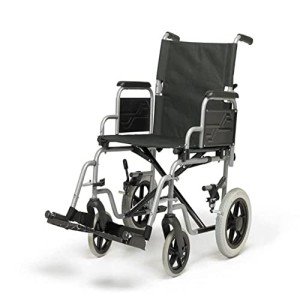
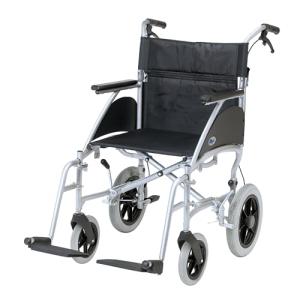
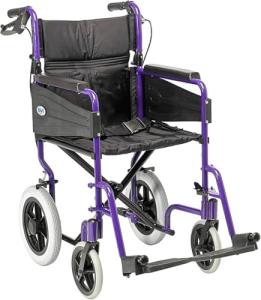
An attendant wheelchair, often referred to as a transit wheelchair, is specifically designed to be pushed by a caregiver or companion rather than being propelled by the occupant. This is distinguished by the smaller rear wheels, which reduce the overall weight and footprint of the chair. When combined with a folding frame and lightweight materials like aluminum, these chairs become the pinnacle of convenience for travel and short-distance transit.
The 18-inch seat width is considered the "standard" size in the industry, designed to fit the average adult comfortably while remaining narrow enough to navigate through standard household doorways and narrow corridors.
Key Features of the Lightweight Folding Attendant Wheelchair
When selecting a mobility aid, several features define the quality and usability of the product. For the lightweight folding model, the following components are critical:
1. The Aluminum Frame
Most high-quality lightweight wheelchairs utilize aircraft-grade aluminum. Unlike traditional steel frames, which can be heavy and prone to rust, aluminum offers a high strength-to-weight ratio. This ensures the chair is sturdy enough to support significant weight while remaining light enough (typically between 9kg and 12kg) for a caregiver to lift into a car boot.
2. Folding Mechanism
The "folding" aspect usually refers to a cross-brace design under the seat. By pulling upward on the seat upholstery, the sides of the chair collapse inward. Furthermore, many modern models feature a "half-folding backrest." This allows the top half of the back to fold down, significantly reducing the chair’s height for compact storage.
3. Attendant-Operated Brakes
Safety is paramount in transit chairs. Because the user cannot reach the wheels to stop, the caregiver must have total control. Attendant brakes are located on the handles, functioning similarly to bicycle brakes. This allows the person pushing to control the speed on inclines and lock the wheels firmly when the chair is stationary.
4. The 18-Inch Seat Ergonomics
The 18-inch seat is engineered to balance user comfort with maneuverability. A seat that is too wide can lead to poor posture and sliding, while a seat that is too narrow can cause pressure sores. The 18-inch dimension provides ample space for most adults while often including padded nylon upholstery that is both breathable and easy to clean.
Technical Specifications
To provide a clearer picture of what to expect, the following table outlines the standard specifications for a typical lightweight folding attendant wheelchair with an 18" seat.
| Feature | Specification (Typical) |
|---|---|
| Frame Material | Lightweight Aluminum |
| Seat Width | 18 inches (45 cm) |
| Total Weight | 9 kg – 12 kg (20 - 26 lbs) |
| Weight Capacity | Up to 115 kg (approx. 18 stone) |
| Rear Wheel Type | 12-inch Solid Puncture-Proof Tyres |
| Front Castor Type | 8-inch Swivel Wheels |
| Brake System | Dual Attendant Handbrakes & Parking Brakes |
| Folded Dimensions | Approx. 75cm x 25cm x 65cm |
| Footrests | Swing-away and Removable |
The Benefits of Choosing a Lightweight Model
The transition to using a wheelchair can be challenging, but the benefits of a lightweight folding model can ease the adjustment for both the user and the caregiver.
- Portability for Travel: These chairs are designed for the "on-the-go" lifestyle. Whether it is a trip to the doctor, a visit to a shopping center, or a family holiday, the ability to fold the chair in seconds makes it highly portable.
- Reduced Strain on Caregivers: Pushing a heavy steel wheelchair can lead to back strain and fatigue for the attendant. Lightweight models require significantly less effort to maneuver, especially on carpets or uneven outdoor surfaces.
- Space-Saving Storage: Not everyone has a large home with wide hallways. When the chair is not in use, it can be folded and tucked away in a cupboard or behind a sofa, keeping the living space clear of obstacles.
- Puncture-Proof Reliability: Most attendant models come with solid polyurethane (PU) tires. This eliminates the risk of a flat tire during an outing, ensuring the chair is always ready for use without the need for a pump.
Maintenance and Care
To ensure the longevity and safety of the wheelchair, regular maintenance is required. Even though these chairs are built for durability, the moving parts should be inspected periodically.
Monthly Maintenance Checklist:
- Check the Brakes: Ensure the attendant brakes engage smoothly and hold the wheels firmly. If the brakes feel "spongy," the cables may need tightening.
- Inspect Cleaning Assets: Wipe down the aluminum frame with a damp cloth to prevent the buildup of dirt or grit in the folding joints.
- Tighten Bolts: Vibrations from uneven pavements can occasionally loosen the bolts on the footrests or armrests.
- Upholstery Check: Look for any sagging or tears in the 18-inch seat or backrest, as this can affect the user's spinal support.
Who is this Wheelchair For?
While versatile, the lightweight attendant wheelchair is specifically suited for certain demographics:
- Seniors: Ideally for elderly individuals who have the strength to stand and transfer but cannot walk long distances.
- Post-Surgery Patients: For those recovering from hip, knee, or foot surgeries where weight-bearing is restricted.
- Users with Limited Upper Body Strength: Since the chair is pushed by another person, it is perfect for those who do not have the arm strength required for a self-propelled (large-wheel) wheelchair.
Frequently Asked Questions (FAQ)
1. Is an 18-inch seat wide enough for most people?
Yes, the 18-inch seat is the industry standard for adults. It generally accommodates individuals weighing up to 115kg. However, for taller or broader individuals, a 20-inch or "heavy-duty" model might be more appropriate to prevent discomfort.
2. Can this wheelchair be used on public transport?
Most lightweight folding wheelchairs are compatible with buses and trains, as they fit within the standard "mobility scooter and wheelchair" designated spaces. Because they fold, they are also easier to bring onto airplanes (though they are usually checked at the gate).
3. Are the footrests adjustable?
Yes, most models feature swing-away footrests that can be adjusted in height to ensure the user’s knees are at a 90-degree angle. They can also be removed entirely to make the chair lighter when lifting it.
4. Can the user push themselves in this chair?
No. Because attendant wheelchairs have small rear wheels, the user cannot reach them to propel the chair. These chairs require a second person to provide motion. If the user wishes to move independently, a "self-propelled" wheelchair with large 24-inch rear wheels would be required.
5. What is the difference between solid and pneumatic tires?
Solid tires (found on most lightweight transit chairs) are made of solid rubber or plastic and cannot go flat. Pneumatic tires are air-filled, providing a slightly softer ride but requiring maintenance to prevent punctures. For most urban transit needs, solid puncture-proof tires are preferred for their low maintenance.
The lightweight folding attendant wheelchair with an 18-inch seat is a masterpiece of functional design. It addresses the primary concerns of modern mobility: weight, storage, and ease of use. By prioritizing a lightweight aluminum frame and a compact folding mechanism, manufacturers have created a tool that doesn't just move people from point A to point B, but does so while minimizing the physical burden on caregivers. Whether for daily use or occasional outings, this type of wheelchair remains a gold standard for accessible transit.