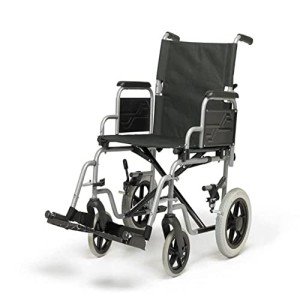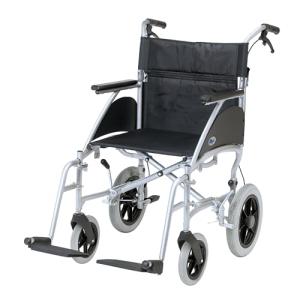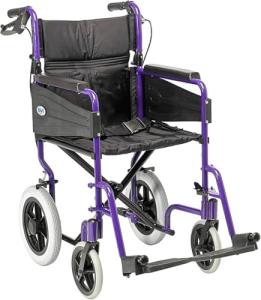





The quest for mobility is a fundamental aspect of human dignity and independence. For individuals with limited movement, the right equipment does not merely serve as a mode of transport; it acts as a bridge to the outside world. Among the various options available in the medical equipment market, the lightweight folding attendant wheelchair with brakes has emerged as a premier choice for families and caregivers.
By combining portability with advanced safety features, these wheelchairs prioritize the comfort of the user and the convenience of the attendant. This guide explores the intricate details, benefits, and selection criteria for these essential mobility aids.
Understanding the Attendant Wheelchair
An attendant-propelled wheelchair, often referred to as a "transit wheelchair," is specifically designed to be pushed by a caregiver rather than operated by the user. These chairs are distinguished by their smaller rear wheels, which reduce the overall weight and footprint of the device. This design makes them exceptionally maneuverable in tight spaces, such as narrow hallways, cafes, and public transport.
The "lightweight" aspect usually signifies a frame constructed from high-grade aluminum rather than traditional heavy steel. When this is coupled with a folding mechanism, the wheelchair becomes a highly versatile tool for travel and daily outings.
The Critical Role of Integrated Braking Systems
Safety is the paramount concern when transporting a loved one or patient. Standard wheelchairs often feature "parking brakes" located on the wheels, which the user or attendant must bend down to engage. However, a modern attendant wheelchair with brakes includes handle-mounted handbrakes.
Why Handbrakes Matter:
- Controlled Descents: When navigating ramps or hills, the attendant can apply gradual pressure to the brakes to prevent the chair from gaining too much momentum.
- Instant Response: In crowded areas, the ability to stop immediately from the pushing position prevents accidents.
- Ergonomics: Caregivers do not need to stoop over to lock the wheels, reducing back strain and improving the transition of the user in and out of the chair.
Technical Specifications at a Glance
When selecting a wheelchair, understanding the technical specifications is vital to ensure it meets the physical requirements of the user and the storage constraints of the caregiver.
Table 1: Standard Specifications for Lightweight Attendant Wheelchairs
| Feature | Typical Specification | Benefits |
|---|---|---|
| Frame Material | High-grade Aluminum Alloy | Durability without the heavy weight. |
| Total Weight | 9kg – 12kg (approx. 20-26 lbs) | Easy to lift into car trunks or onto buses. |
| Weight Capacity | 100kg – 125kg (220-275 lbs) | Accommodates a wide range of body types. |
| Seat Width | 16, 18, or 20 inches | Ensures comfort and proper posture. |
| Rear Wheel Size | 12 inches (solid rubber) | Puncture-proof and low maintenance. |
| Folding Width | 25cm – 30cm | Fits easily into compact storage spaces. |
Key Features and Benefits
The modern lightweight folding wheelchair is a feat of ergonomic engineering. Beyond the frame and the brakes, several other features contribute to a premium experience.
1. Portability and Folding Mechanisms
Most models feature a "half-folding" backrest and a cross-brace frame. This allows the chair to collapse into a very small package. For caregivers who travel frequently, this means the wheelchair can fit into the trunk of a small sedan or even be stored in a closet at home when not in use.
2. Comfort Accommodations
- Padded Armrests: Reduces pressure on the forearms during long outings.
- Swing-Away Footrests: These can be moved to the side or removed entirely, making it much safer for the user to sit down or stand up without tripping.
- Nylon Upholstery: This material is breathable, easy to wipe clean, and provides a slight "give" that conforms to the user’s body.
3. Durability and Tires
Lightweight chairs often utilize solid, puncture-proof polyurethane (PU) tires. Unlike pneumatic (air-filled) tires, these do not require a pump and will never go flat, providing peace of mind during long walks or trips to the park.
Choosing the Right Model
Not all wheelchairs are created equal. To find the perfect fit, caregivers should consider the specific environment where the chair will be used most often.
Table 2: Choosing Based on Usage and User Needs
| User/Environment Requirement | Recommended Feature | Why it Helps |
|---|---|---|
| Frequent Travel | Quick-release wheels & folding back | Minimizes the weight and size for lifting. |
| Hill/Inclined Terrain | Attendant loop-style handbrakes | Provides maximum speed control for the caregiver. |
| Long-term Sitting | Tension-adjustable upholstery | Prevents "slouching" and promotes spinal health. |
| Narrow Doorways | Compact frame / 16" seat width | Enhances maneuverability in older homes. |
Maintenance Tips for Longevity
To ensure the safety and longevity of a lightweight folding wheelchair, a small amount of routine maintenance is required:
- Check the Brakes Weekly: Ensure the handbrakes engage firmly and that the cables are not frayed.
- Clean the Upholstery: Use a damp cloth and mild soap to prevent the buildup of bacteria and odors.
- Inspect the Fasteners: Occasionally check that bolts and nuts are tight, as vibrations from uneven pavement can loosen them over time.
- Wipe the Frame: After use in rain or near the ocean, wipe down the aluminum frame to prevent any potential oxidation or salt damage.
Summary Checklist for Buyers
Before making a purchase, use this checklist to ensure all bases are covered:
- Does the total weight of the chair allow the caregiver to lift it safely?
- Are the handbrakes easy to squeeze and lock?
- Does the seat width provide approximately one inch of space on either side of the user?
- Are the footrests adjustable to the user’s leg length?
- Does the folded dimension fit within the intended storage space/car trunk?
Frequently Asked Questions (FAQ)
Q1: Can the user propel this wheelchair themselves?
No, attendant wheelchairs are designed with small rear wheels that are out of reach for the user. They are intended specifically for situations where someone else will be pushing the chair. If self-propulsion is required, a manual wheelchair with large rear wheels is necessary.
Q2: Is a lightweight aluminum wheelchair as strong as a steel one?
Yes, high-grade aluminum alloys used in medical equipment are engineered to be incredibly strong while remaining light. As long as the user’s weight is within the specified weight capacity of the chair, it is perfectly safe and durable.
Q3: Can these wheelchairs be taken on an airplane?
Absolutely. Most airlines allow wheelchairs to be checked at the gate for free. Because these models fold compactly, they are ideal for air travel. It is always recommended to inform the airline in advance.
Q4: Are the brakes difficult to use for people with arthritis?
Many modern designs use "loop" brakes, which require significantly less grip strength to operate. Some models also feature a locking mechanism that can be engaged with a simple click, making them very accessible for caregivers with their own physical limitations.
Q5: Do I need tools to fold the wheelchair?
Generally, no. Most lightweight folding wheelchairs are designed for tool-free operation. They usually feature release levers or pull-tabs that allow the chair to collapse in seconds.
Final Thoughts
The development of the lightweight folding attendant wheelchair with brakes represents a significant step forward in caregiving technology. By addressing the physical toll on the caregiver and the comfort and safety needs of the user, these chairs foster a more active and socially engaged lifestyle.
Investing in a high-quality model ensures that mobility is not a chore, but an effortless extension of daily life. Whether it is a trip to the local grocery store or a vacation abroad, the right wheelchair provides the security and ease required to navigate the world with confidence.